How to pronounce enjoys in American English

IPA /ənˈdʒɔɪz/ Syllables 2 · uhn·joyz Stress 2nd syllable
uhn·JOYZ
Start here

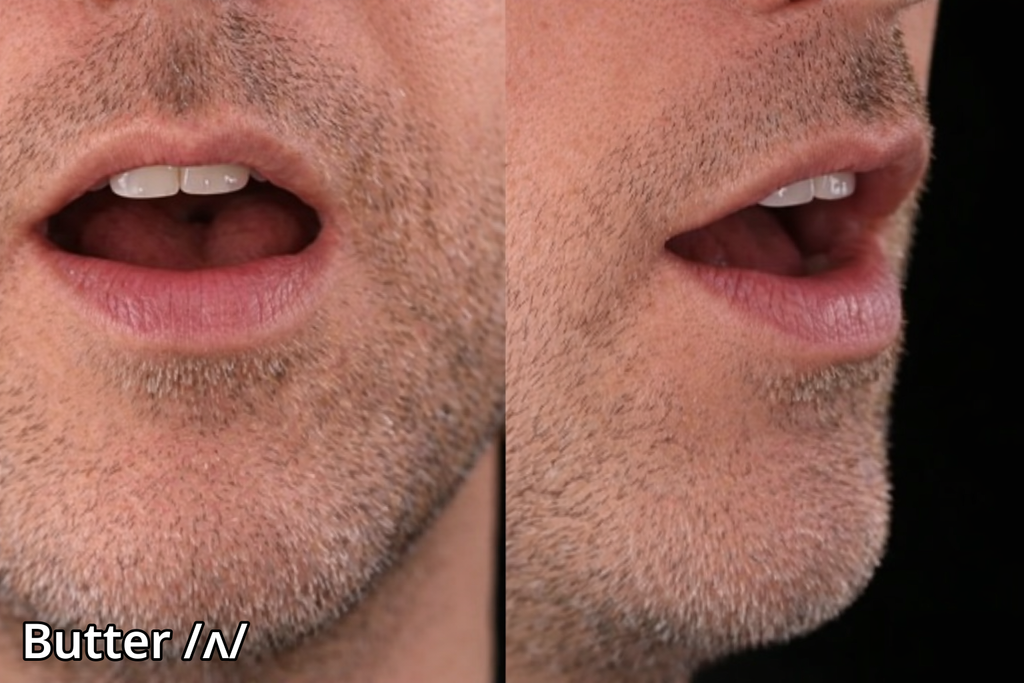
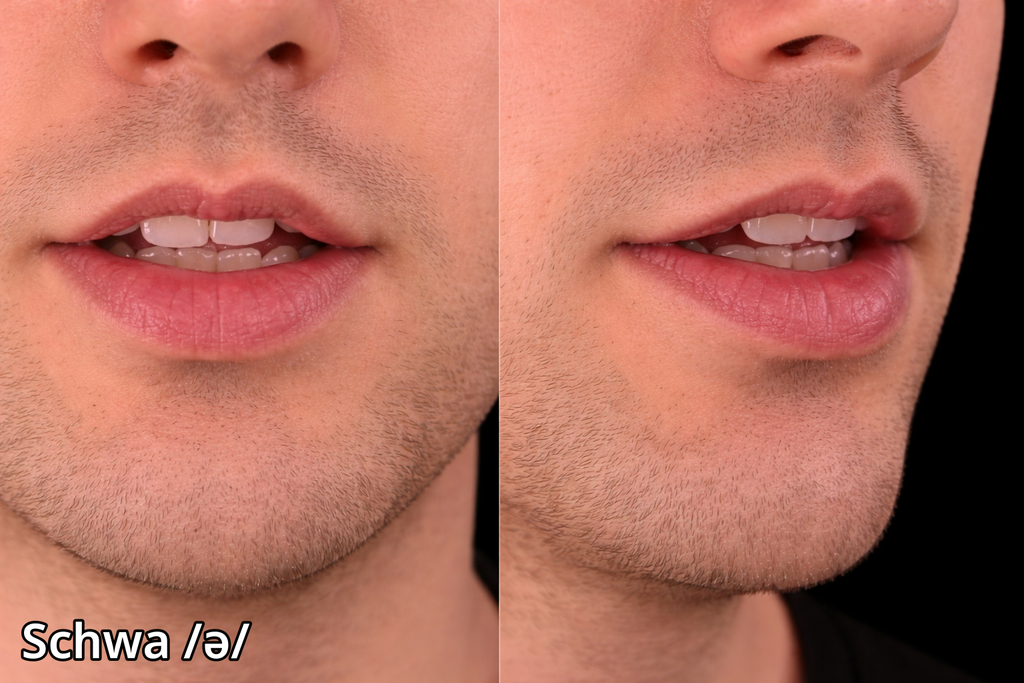
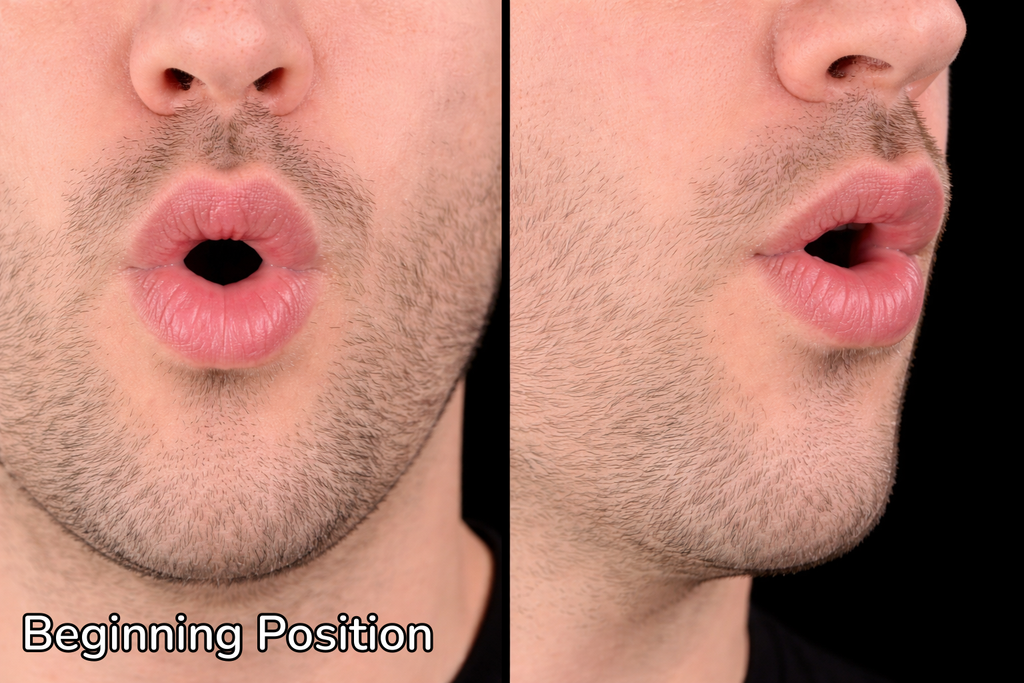
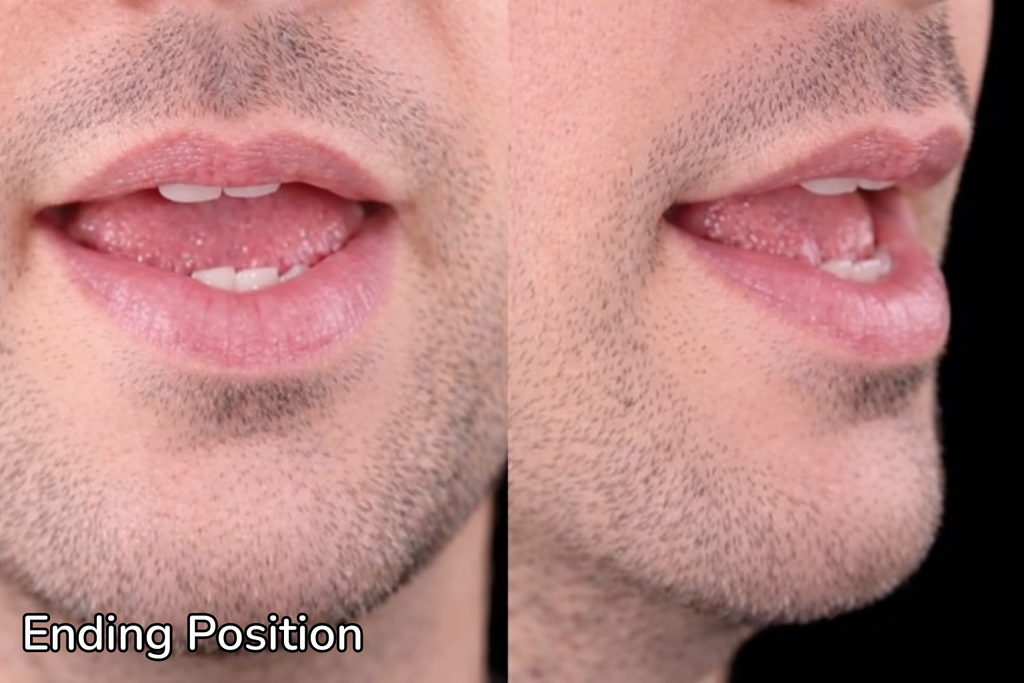
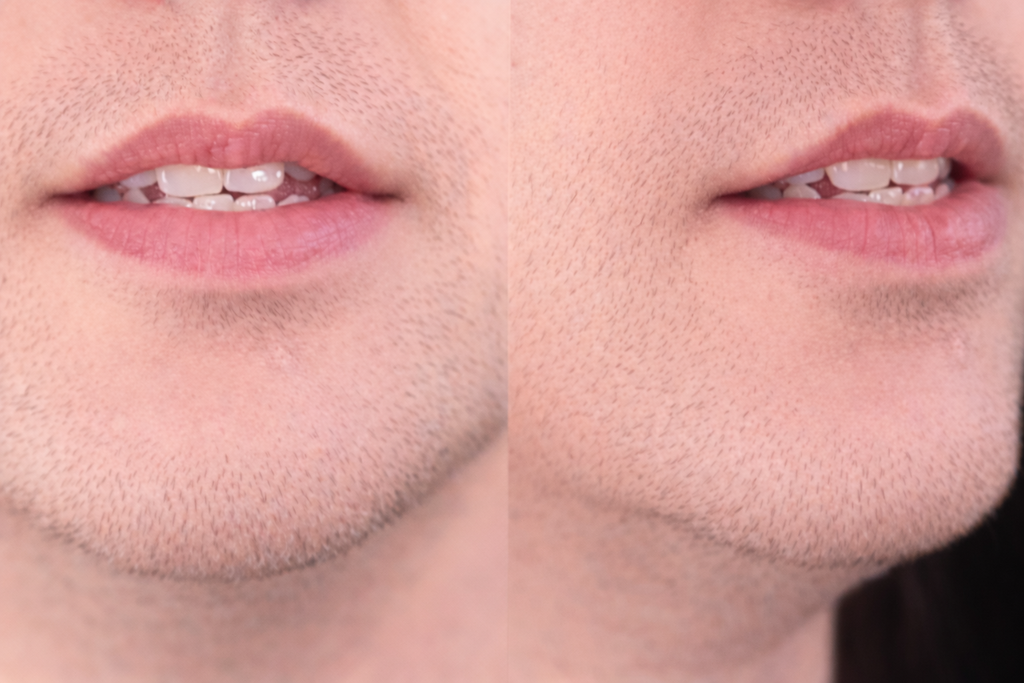
Americans pronounce enjoys as uhn-JOYZ (/ənˈdʒɔɪz/). The unstressed syllable reduces to a lazy schwa — almost a quick "uh" — instead of being pronounced fully. Stress falls on the second syllable — keep everything else short and quick.

Now you try.

Record yourself saying "enjoys" and play it back. The mic stays on your device — nothing's uploaded.

Ready when you are
Tap the mic to start
Preview your accent profile

Get your accent profile and 5-axes assessment.

Sounds
75%
Clarity
68%
Stress
78%
Intonation
65%
Fluency
62%

Overall assessment

Our AI coach listens to your recording and grades 5 dimensions of pronunciation — then tells you exactly what to fix next.

72% Noticeable accent

Common mistakes

Stressing the wrong syllable.

Stress falls on the second syllable, not the others. Stretch JOYZ — keep everything else short and quick.

Pronouncing the first syllable too fully.

Don't pronounce the first syllable too fully. The unstressed syllable reduces to a schwa — the lazy "uh" sound — in casual speech.

Unlock the full report in the app
Why it sounds different

Why "enjoys" sounds like uhn·JOYZ.

The "" at the end of "" flows directly into the vowel starting "" — the consonant migrates to the next word with no pause between. This is called the Consonant-to-Vowel Linking, a tiny act of laziness that makes the rhythm feel right. It comes out as uhn·JOYZ.

In real conversation

Hear "enjoys" in the wild.

Click any sentence to see the full breakdown — every link, every reduction, every flap-T.

"He enjoys analyzing the symbolism and themes in classic cinema."
hee uhn·JOYZ A·nuh·lahy·zuhng dhuh SIHM·buh·lih·zuhm and THEEMZ ihn KLA·suhk SIH·nuh·muh
"He enjoys birdwatching and keeping a log of the species he sees."
hee uhn·JOYZ BURD·wah·chuhng and KEE·puhng uh LAHG uhv dhuh SPEE·sheez hee SEEZ
"He enjoys hiking, reading, and playing the guitar."
hee uhn·JOYZ HAHY·kuhng REE·duhng and PLAY·uhng dhuh guh·TAR
"He enjoys long-distance running in the morning to stay fit."
hee uhn·JOYZ lahng DIH·stuhns RUH·nuhng uhn dhuh MOR·nuhng tuh STAY FIHT
"He enjoys sitting on the porch and watching the sunset."
hee uhn·JOYZ SIH·duhng ahn dhuh PORCH and WAH·chuhng dhuh SUHN·seht
"He enjoys snorkeling in the clear tropical waters."
hee ehn·JOYZ SNOR·kuh·luhng uhn dhuh KLEER TRAH·puh·kuhl WAH·derz
Watch out

Common pronunciation mistakes in American English.

The textbook way isn't wrong — it's just not how anyone actually says it.

01

Stressing the wrong syllable.

Stress falls on the second syllable, not the others. Stretch JOYZ — keep everything else short and quick.

UHN·joyzuhn·JOYZ
02

Pronouncing the first syllable too fully.

Don't pronounce the first syllable too fully. The unstressed syllable reduces to a schwa — the lazy "uh" sound — in casual speech.

UHN·JOYZuhn·JOYZ
Questions

Questions people ask about this.

How is "enjoys" stressed in American English?
Stress falls on the second syllable — say "JOYZ" with a longer, fuller vowel and keep every other syllable short and quick. The respell "uhn-JOYZ" marks the stressed syllable in capitals so the rhythm is easy to read at a glance.
Why does the first syllable in "enjoys" reduce to "uh"?
Unstressed syllables in American English collapse toward a schwa — a lazy, neutral "uh" sound. The full vowel is what textbooks teach, but in actual American speech every unstressed vowel reduces. The respell "uhn-JOYZ" shows the reduced form so you can hear the casual rhythm directly.
Is the American pronunciation of "enjoys" different from British English?
American English uses different vowel shapes, a relaxed retroflex R, and connected-speech tricks like flap-T and glottal-stop T that British Received Pronunciation generally avoids. The respell "uhn-JOYZ" reflects the casual American form; British dictionaries typically print a citation form with crisper consonants and different vowel choices.

Stop reading about "enjoys". Start saying it.

SayWaader is the AI pronunciation coach for American English. Practice 5 minutes a day. Get a 5-axes accent assessment. Sound like you live here.