How to pronounce last in American English
last
Start here
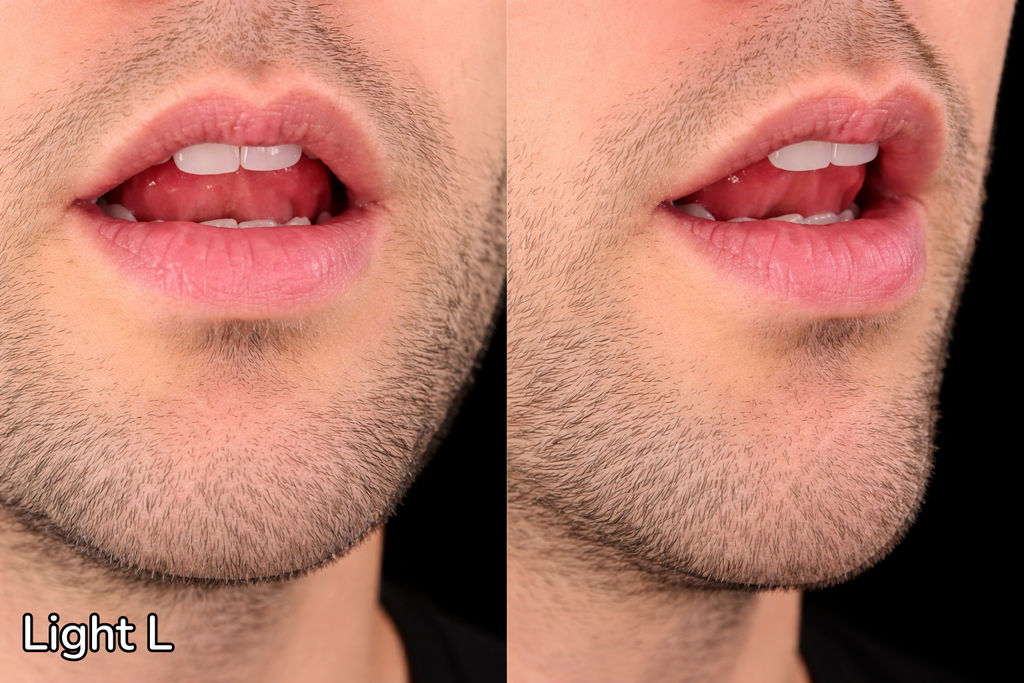
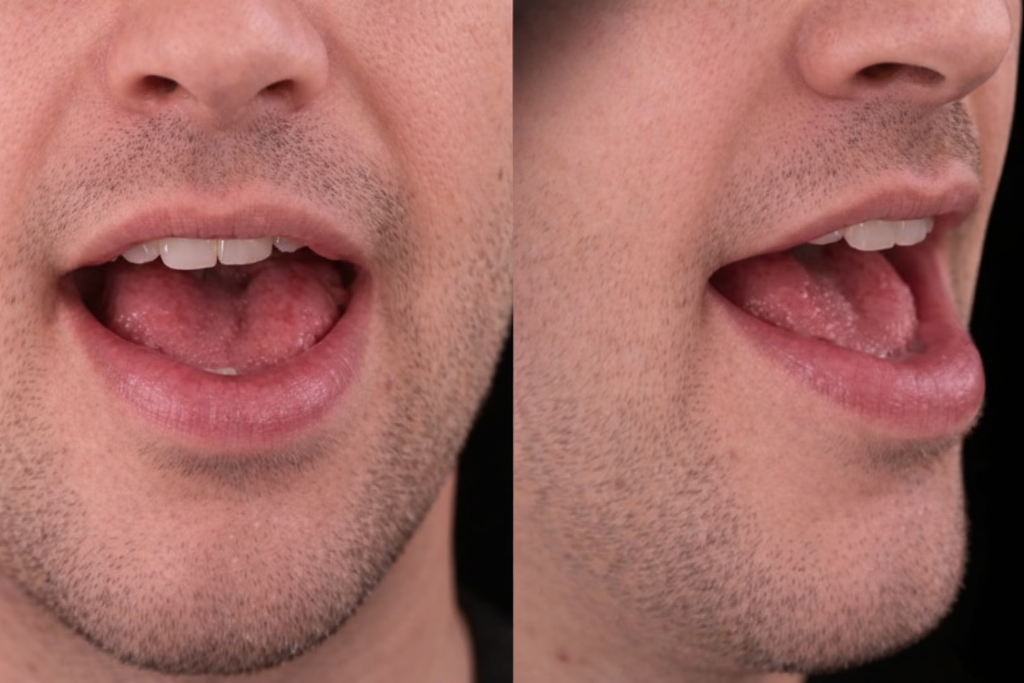
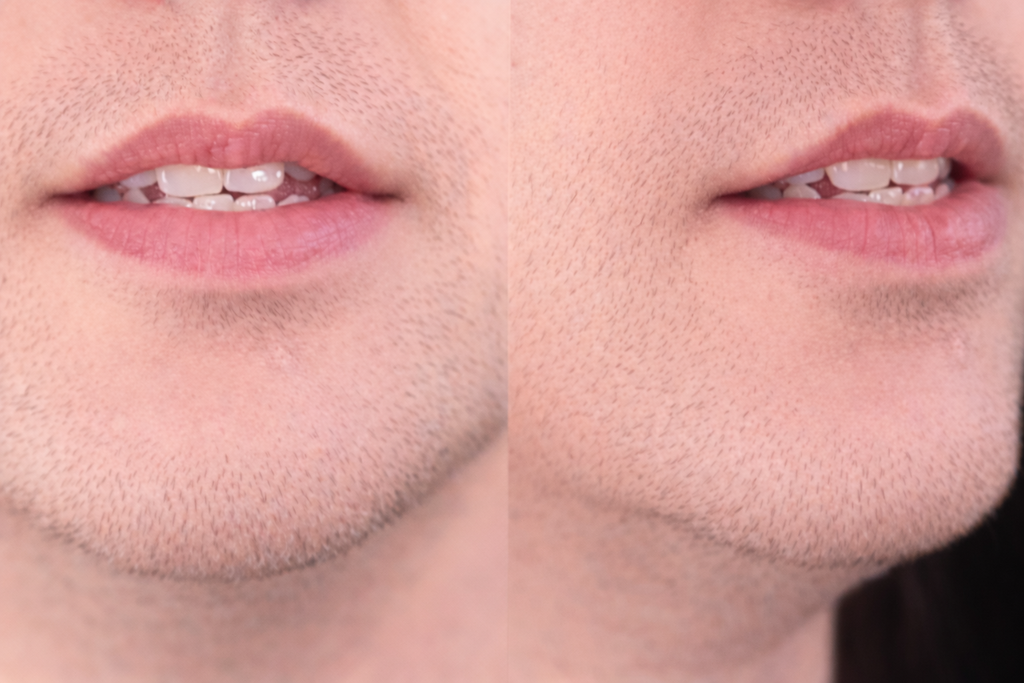
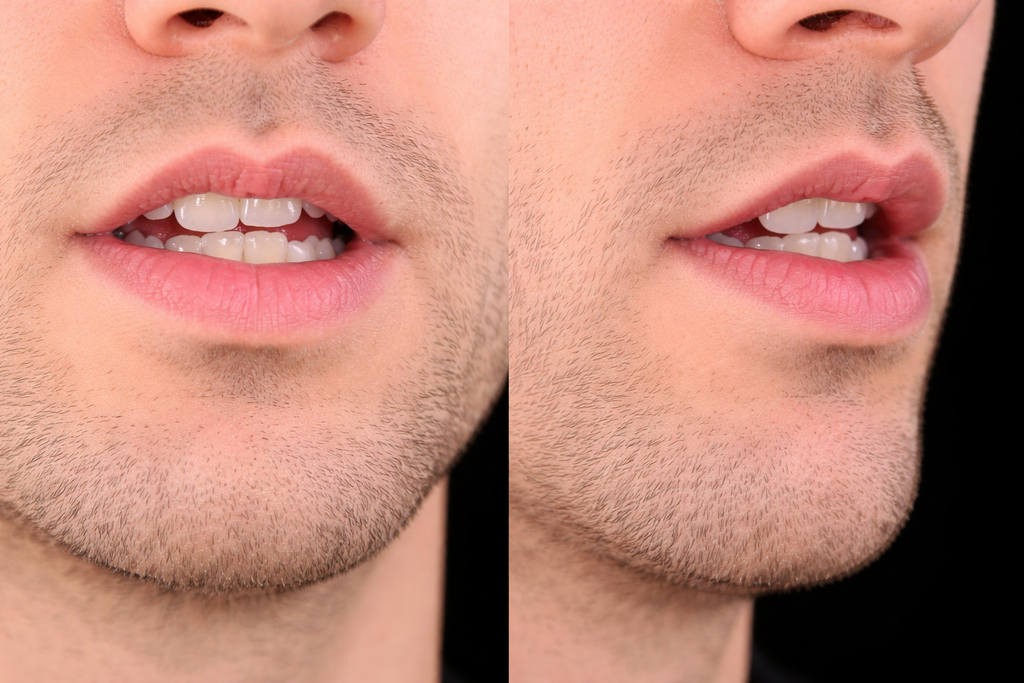
Americans pronounce last as last (/læst/).
Now you try.
Record yourself saying "last" and play it back. The mic stays on your device — nothing's uploaded.
Why it sounds different
Why "last" sounds like last.
The "" at the end of "" and the "y" starting "" blend together into "" — natural in casual conversation; in formal or careful speech, the two sounds stay separate. This is called the Y-Merging (gotcha, didja), a connected-speech trick that makes phrases flow. It comes out as last.
In real conversation
Hear "last" in the wild.
Click any sentence to see the full breakdown — every link, every reduction, every flap-T.
"Did you happen to catch the game last night on television?"
dihd yuh HA·puhn tuh KACH dhuh GAYM last NAHYT ahn TEH·luh·vih·zhuhn
"He appealed to the supreme court as a last resort."
hee uh·PEELD tuh dhuh suh·PREEM KORT uhz uh last ruh·ZORT
"He executed his last will and testament with a lawyer."
hee EHK·suh·kyoo·duhd hihz last WIHL and TEH·stuh·muhnt wihth uh LAH·yer
"He painted the walls a soft shade of blue last weekend."
hee PAYN·tuhd dhuh WAHLZ uh sahft SHAYD uhv BLOO last WEE·kehnd
"He ran to catch the last train."
hee RAN tuh KACH dhuh last TRAYN
"He sprained his ankle last summer."
hee SPRAYND hihz ANG·kuhl last SUH·mer
Questions
Questions people ask about this.
Is the American pronunciation of "last" different from British English?
American English uses different vowel shapes, a relaxed retroflex R, and connected-speech tricks like flap-T and glottal-stop T that British Received Pronunciation generally avoids. The respell "last" reflects the casual American form; British dictionaries typically print a citation form with crisper consonants and different vowel choices.