How to pronounce law in American English
LAH
Start here
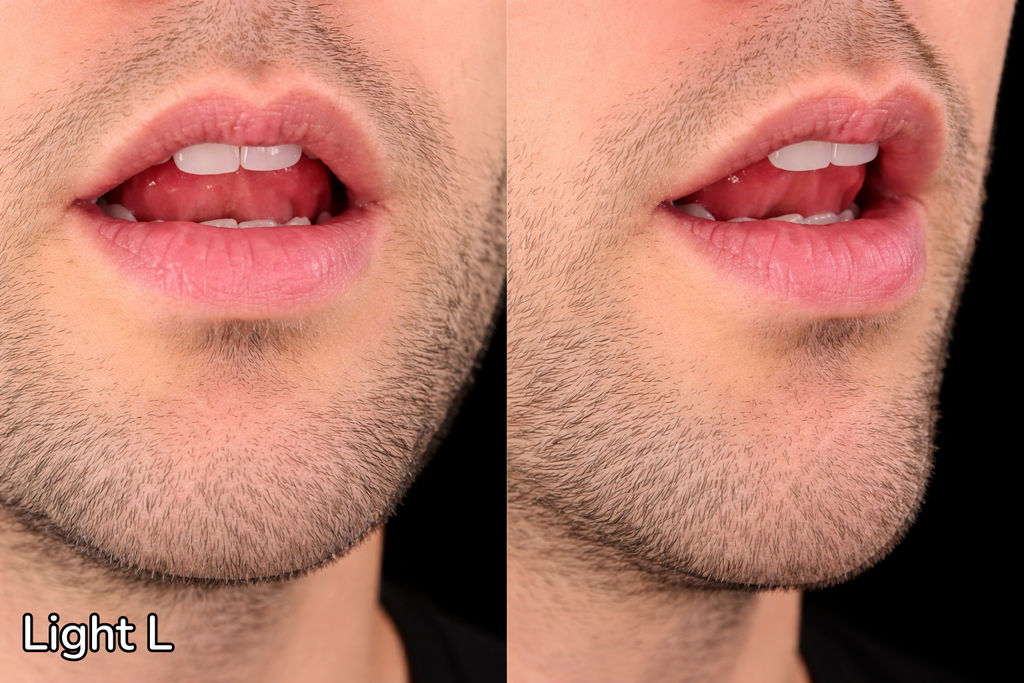
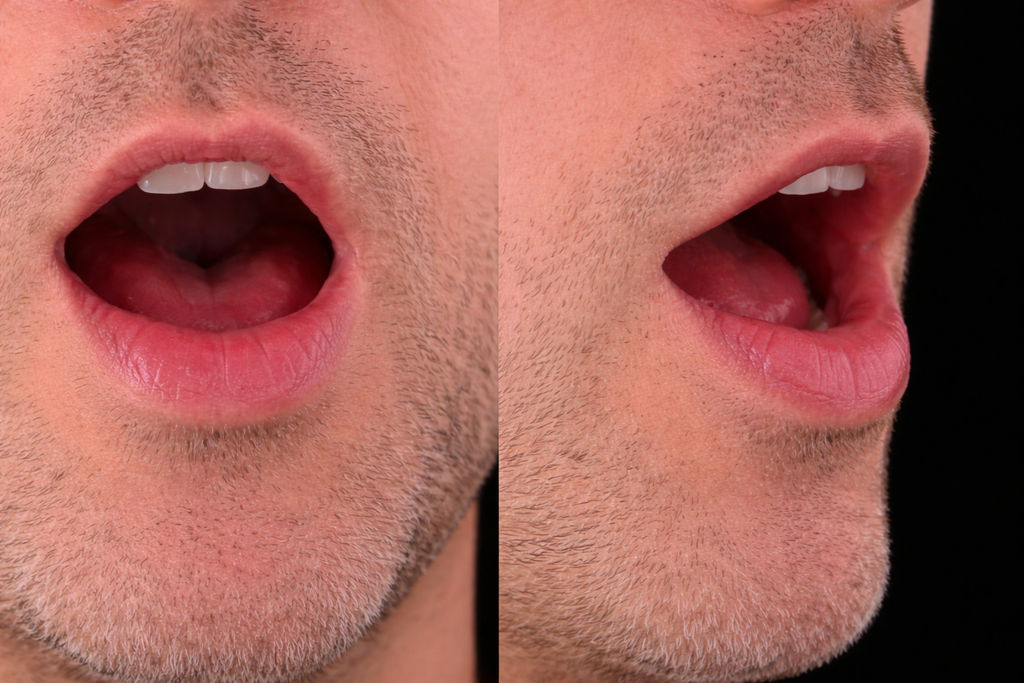
Americans pronounce law as LAH (/lɔ/).
Now you try.
Record yourself saying "law" and play it back. The mic stays on your device — nothing's uploaded.
Why it sounds different
Why "law" sounds like LAH.
Between "" and "", a brief "" glide bridges the two vowels for smooth flow. This is called the Vowel-to-Vowel Linking, what turns word-by-word reading into actual conversation. It comes out as LAH.
In real conversation
Hear "law" in the wild.
Click any sentence to see the full breakdown — every link, every reduction, every flap-T.
"Civil liberties groups have raised concerns about the new law."
SIH·vuhl LIH·ber·teez GROOPS huhv RAYZD kuhn·SURNZ uh·BOWT dhuh noo LAH
"He challenged the constitutionality of the new law in court."
hee CHA·luhnjd dhuh kahn·stuh·too·shuh·NA·luh·tee uhv dhuh noo LAH ihn KORT
"He respects the difficult job that law enforcement officers do."
hee ruh·SPEHKTS dhuh DIH·fuh·kuhlt JAHB dhuht LAH uhn·FOR·smuhnt AH·fuh·serz doo
"He specializes in family law and handles divorce cases."
hee SPEH·shuh·lahy·zuhz ihn FAM·lee LAH and HAN·duhlz duh·VORS KAY·suhz
"I saw the law."
ahy SAH dhuh LAH
"International law was invoked to justify the intervention."
ihn·ter·NA·shuh·nuhl LAH wuhz uhn·VOHKT tuh JUH·stuh·fahy dhee ihn·ter·VEHN·shuhn
Questions
Questions people ask about this.
Is the American pronunciation of "law" different from British English?
American English uses different vowel shapes, a relaxed retroflex R, and connected-speech tricks like flap-T and glottal-stop T that British Received Pronunciation generally avoids. The respell "LAH" reflects the casual American form; British dictionaries typically print a citation form with crisper consonants and different vowel choices.