How to pronounce log in American English
LAHG
Start here
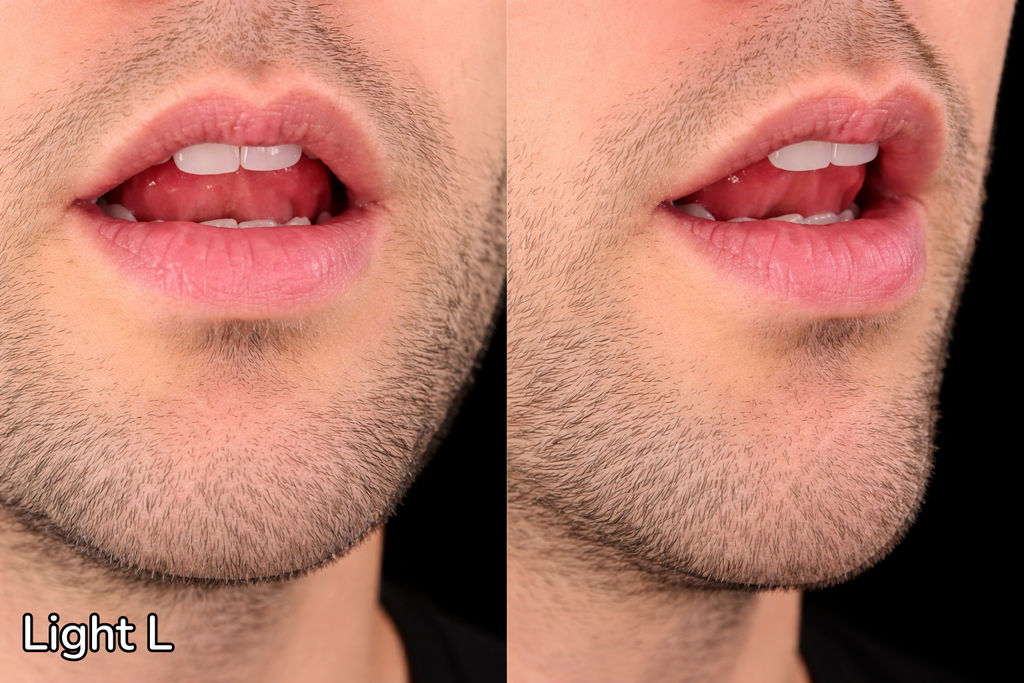
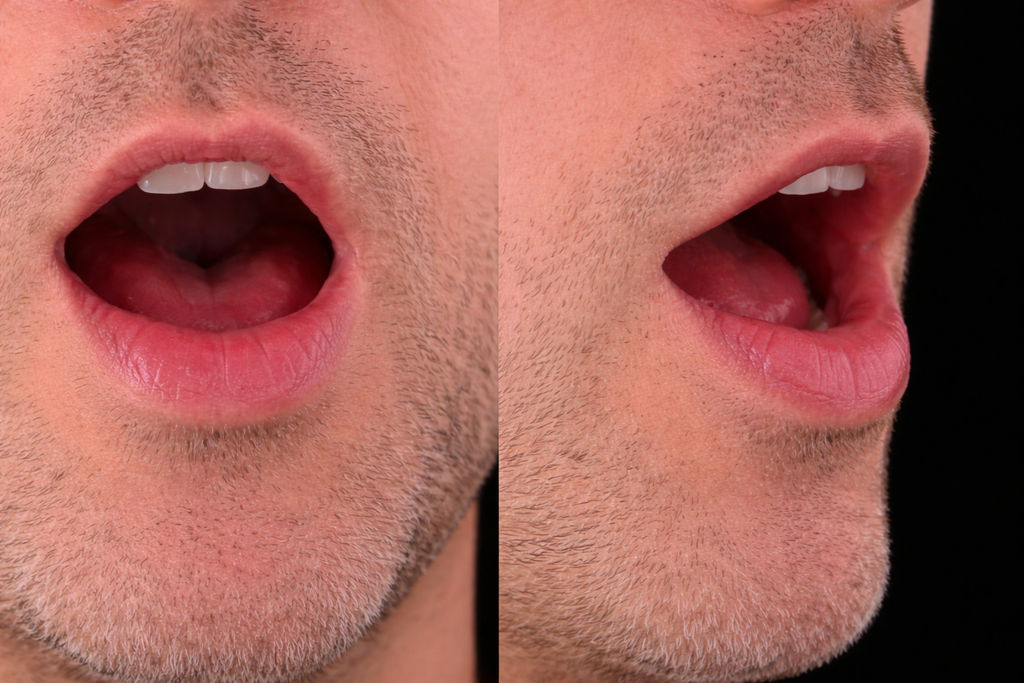
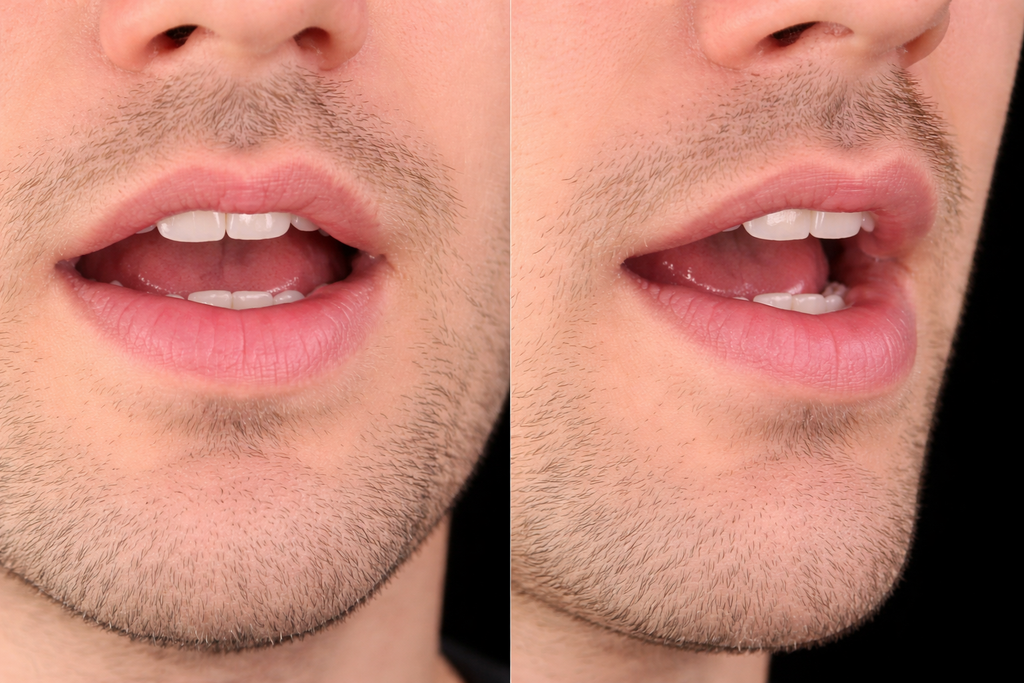
Americans pronounce log as LAHG (/lɔg/).
Now you try.
Record yourself saying "log" and play it back. The mic stays on your device — nothing's uploaded.
Why it sounds different
Why "log" sounds like LAHG.
In "log", the "" is not released — the articulators get into position but hold without the burst of air. This is called the Unreleased Stops, and it's one of the defining features of casual American English. It comes out as LAHG.
In real conversation
Hear "log" in the wild.
Click any sentence to see the full breakdown — every link, every reduction, every flap-T.
"All incidents must be documented in the official safety log book."
AHL IHN·suh·duhnts muhst bee DAH·kyuh·mehn·tuhd ihn dhee uh·FIH·shuhl SAYF·tee LAHG BUUK
"He enjoys birdwatching and keeping a log of the species he sees."
hee uhn·JOYZ BURD·wah·chuhng and KEE·puhng uh LAHG uhv dhuh SPEE·sheez hee SEEZ
"Remember to log out when you're finished."
ruh·MEHM·ber tuh LAHG OWT wehn yer FIH·nuhsht
"You need to log in to access your account."
yoo NEED tuh LAHG IHN tuh AK·sehs yer uh·KOWNT
Watch out
Common pronunciation mistakes in American English.
The textbook way isn't wrong — it's just not how anyone actually says it.
01
Releasing the final consonant with a puff of air.
In "log", the "" is not released — the articulators get into position but hold without the burst of air. Air stops but there's no release burst — the articulators hold position.
log→LAHG
Questions
Questions people ask about this.
Is the American pronunciation of "log" different from British English?
American English uses different vowel shapes, a relaxed retroflex R, and connected-speech tricks like flap-T and glottal-stop T that British Received Pronunciation generally avoids. The respell "LAHG" reflects the casual American form; British dictionaries typically print a citation form with crisper consonants and different vowel choices.