How to pronounce lot in American English
LAHT
Start here
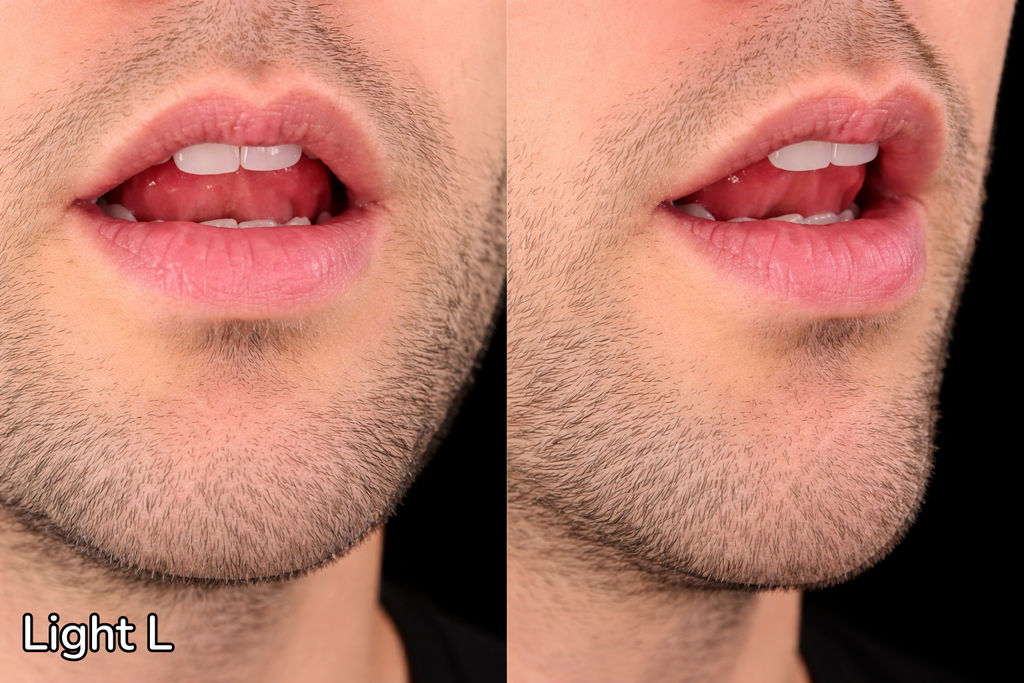
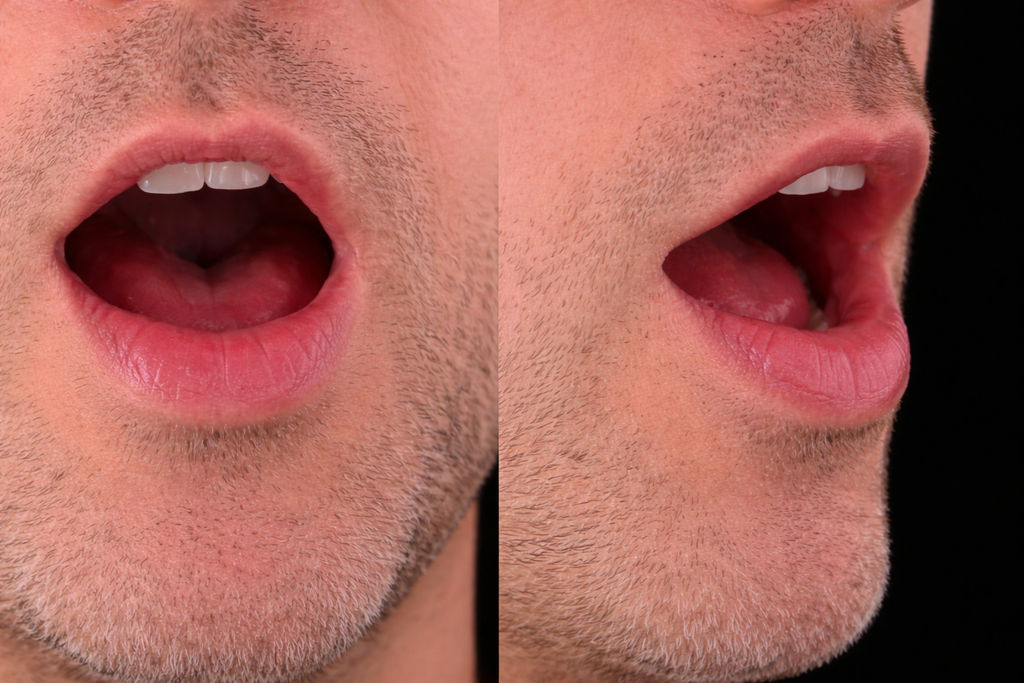
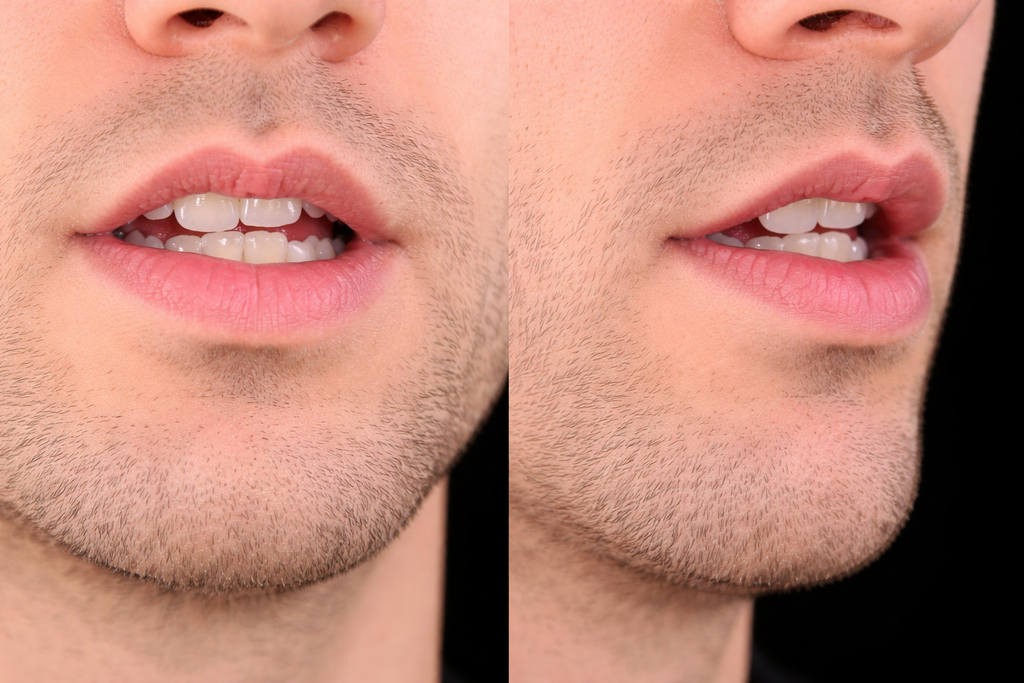
Americans pronounce lot as LAHT (/lɑt/).
Now you try.
Record yourself saying "lot" and play it back. The mic stays on your device — nothing's uploaded.
Why it sounds different
Why "lot" sounds like LAHT.
In "lot", the "" is not released — the articulators get into position but hold without the burst of air. This is called the Unreleased Stops, the kind of sound shift that makes everyday speech feel effortless. It comes out as LAHT.
In real conversation
Hear "lot" in the wild.
Click any sentence to see the full breakdown — every link, every reduction, every flap-T.
"A lot of people are waiting."
uh LAHT uhv PEE·puhl er WAY·duhng
"He ate eight apples and gained a lot of weight."
hee AYT AYT A·puhlz uhnd GAYND uh LAHT uhv WAYT
"He grabbed a cart instead of a basket because we needed a lot."
hee GRABD uh KART uhn·STEHD uhv uh BA·skuht buh·KUHZ wee NEE·duhd uh LAHT
"He has been dealing with a lot of stress at work lately."
hee huhz bihn DEE·luhng wihth uh LAHT uhv STREHS uht WURK LAYT·lee
"I drank a lot of water today."
ahy DRANGK uh LAHT uhv WAH·der tuh·DAY
"I learned a lot of slang and idioms from watching television shows."
ahy LURND uh LAHT uhv SLANG and IH·dee·uhmz fruhm WAH·chuhng TEH·luh·vih·zhuhn SHOHZ
Watch out
Common pronunciation mistakes in American English.
The textbook way isn't wrong — it's just not how anyone actually says it.
01
Releasing the final consonant with a puff of air.
In "lot", the "" is not released — the articulators get into position but hold without the burst of air. Air stops but there's no release burst — the articulators hold position.
lot→LAHT
Questions
Questions people ask about this.
Is the American pronunciation of "lot" different from British English?
American English uses different vowel shapes, a relaxed retroflex R, and connected-speech tricks like flap-T and glottal-stop T that British Received Pronunciation generally avoids. The respell "LAHT" reflects the casual American form; British dictionaries typically print a citation form with crisper consonants and different vowel choices.