How to pronounce loves in American English
LUHVZ
Start here
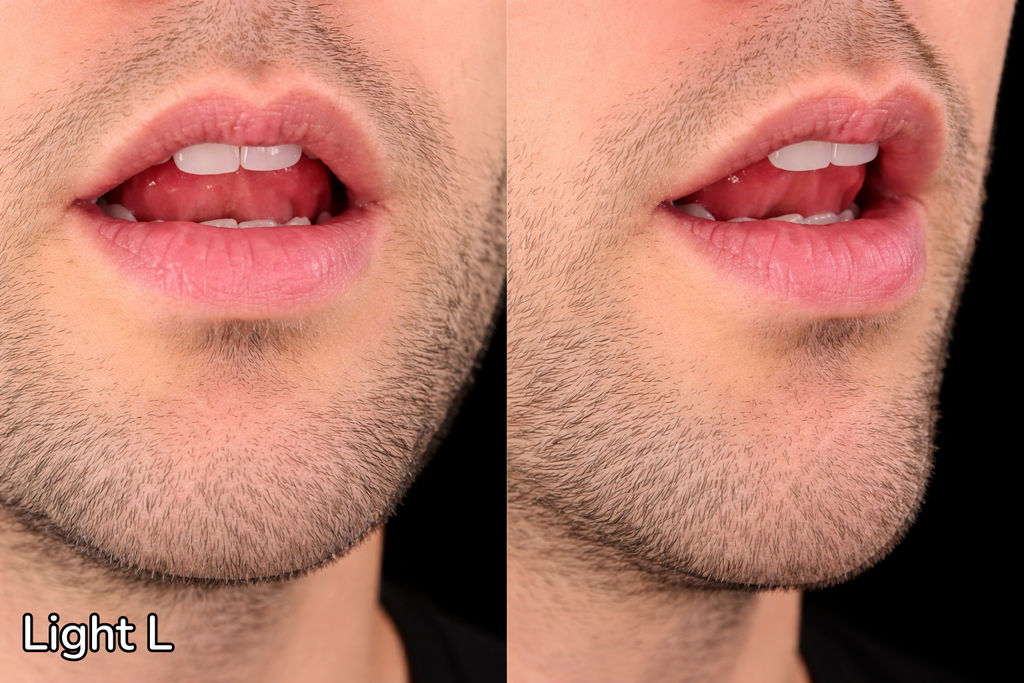
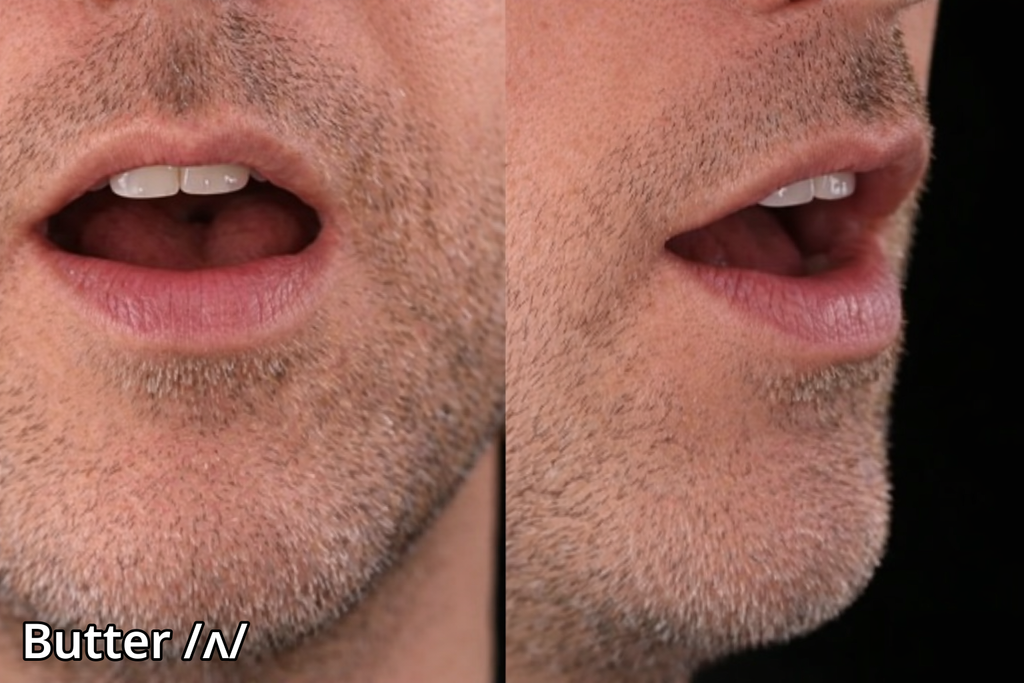
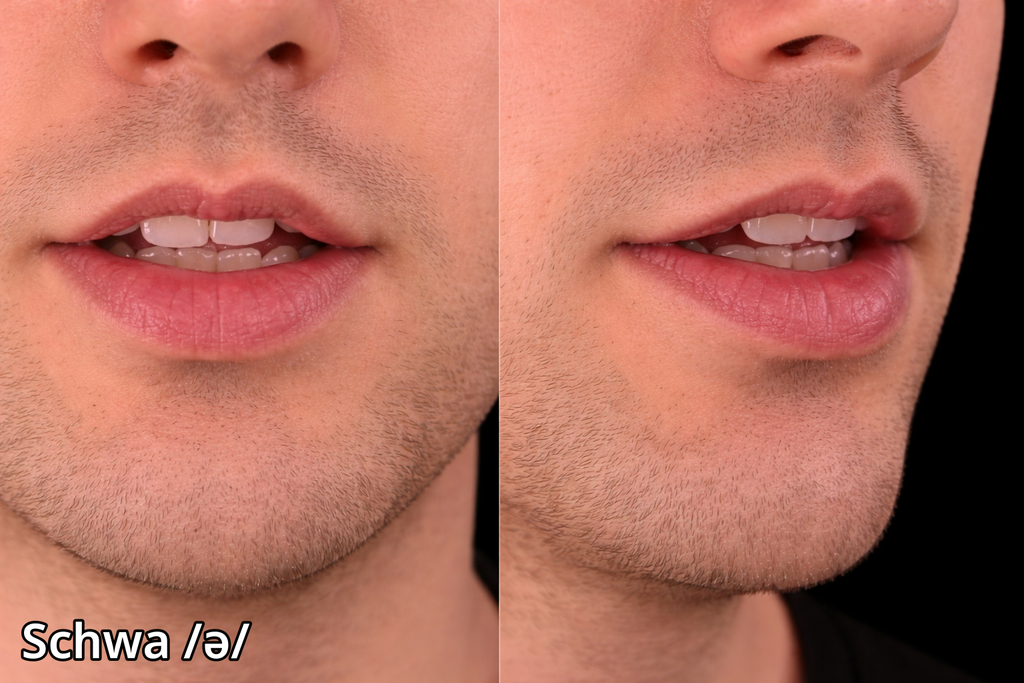
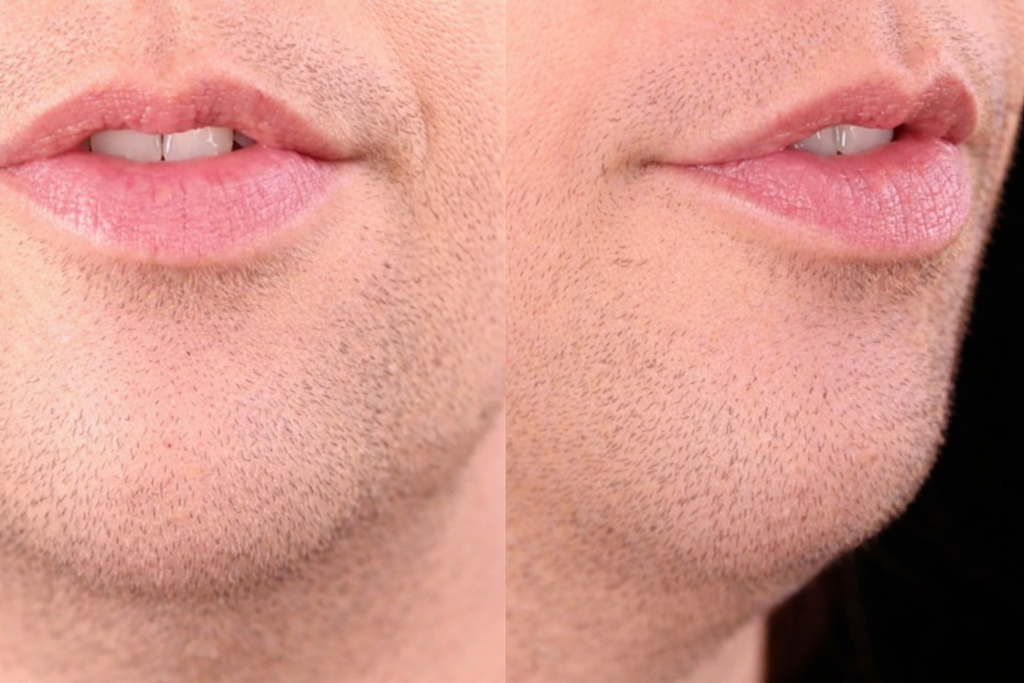
Americans pronounce loves as LUHVZ (/lʌvz/).
Now you try.
Record yourself saying "loves" and play it back. The mic stays on your device — nothing's uploaded.
In real conversation
Hear "loves" in the wild.
Click any sentence to see the full breakdown — every link, every reduction, every flap-T.
"He loves to visit museums and parks."
hee LUHVZ tuh VIH·zuht myoo·ZEE·uhmz and PARKS
"My uncle loves to wear that funny hat."
mahy UHNG·kuhl LUHVZ tuh WAIR dhat FUH·nee HAT
"She loves cosplaying and making her own costumes for conventions."
shee LUHVZ KAHZ·play·uhng and MAY·kuhng her ohn KAH·stoomz fer kuhn·VEHN·shuhnz
"She loves singing her favorite song."
shee LUHVZ SIHNG·uhng her FAY·ver·uht SAHNG
"She loves watching lightning during summer thunderstorms."
shee LUHVZ WAH·chuhng LAHYT·nuhng DUUR·uhng SUH·mer THUHN·der·stormz
"The tall lady loves the lovely lily."
dhuh TAHL LAY·dee LUHVZ dhuh LUHV·lee LIH·lee
Questions
Questions people ask about this.
Is the American pronunciation of "loves" different from British English?
American English uses different vowel shapes, a relaxed retroflex R, and connected-speech tricks like flap-T and glottal-stop T that British Received Pronunciation generally avoids. The respell "LUHVZ" reflects the casual American form; British dictionaries typically print a citation form with crisper consonants and different vowel choices.