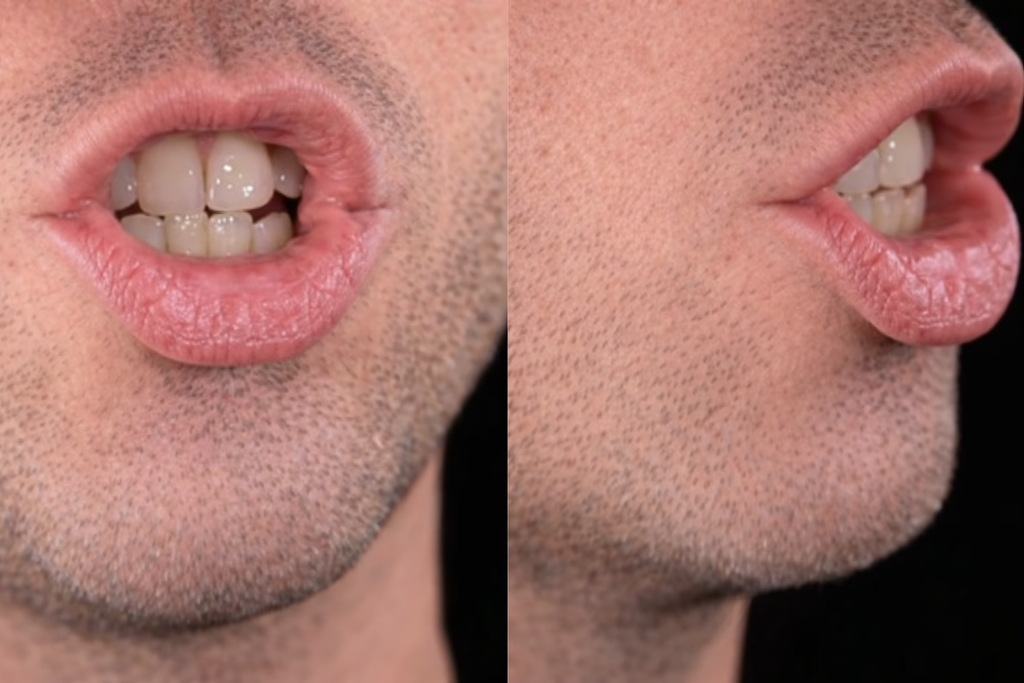
How to pronounce lunch in American English
LUHNCH
Start here
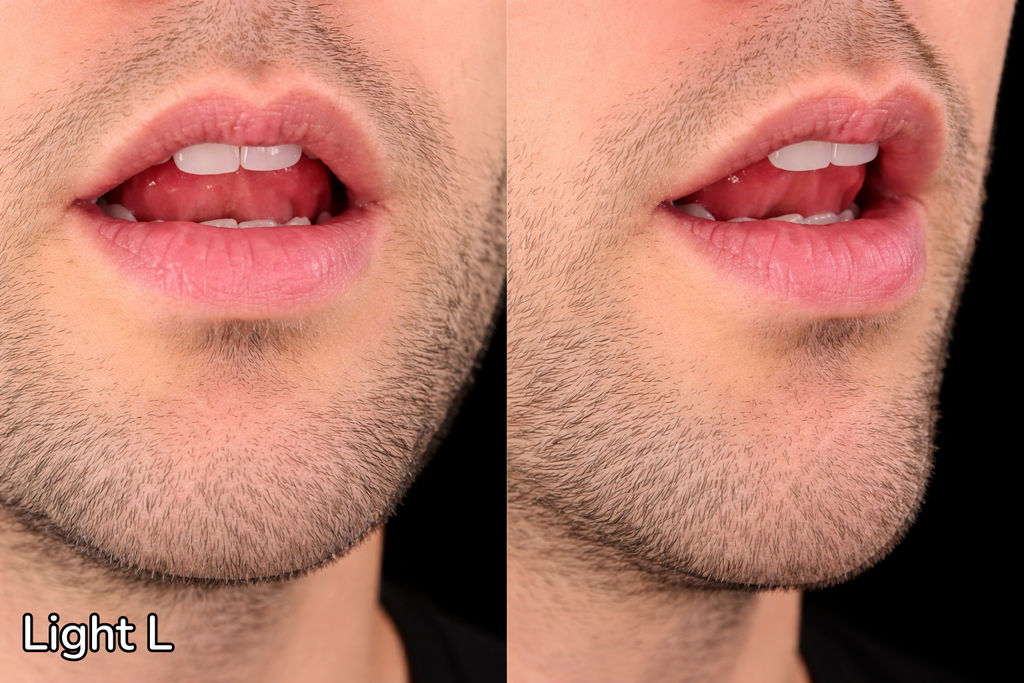
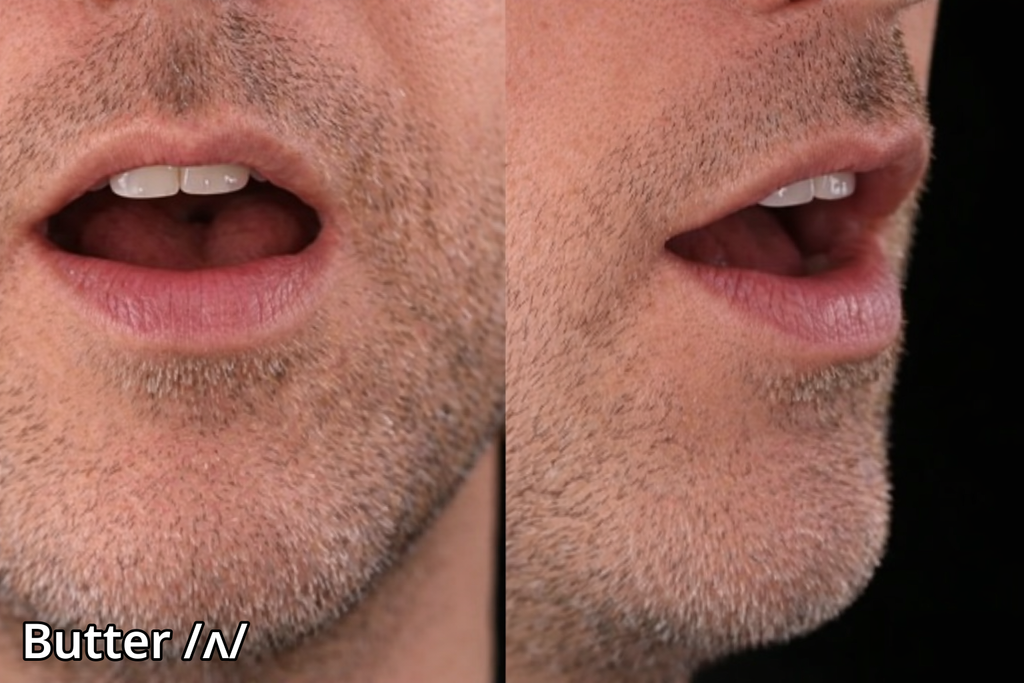
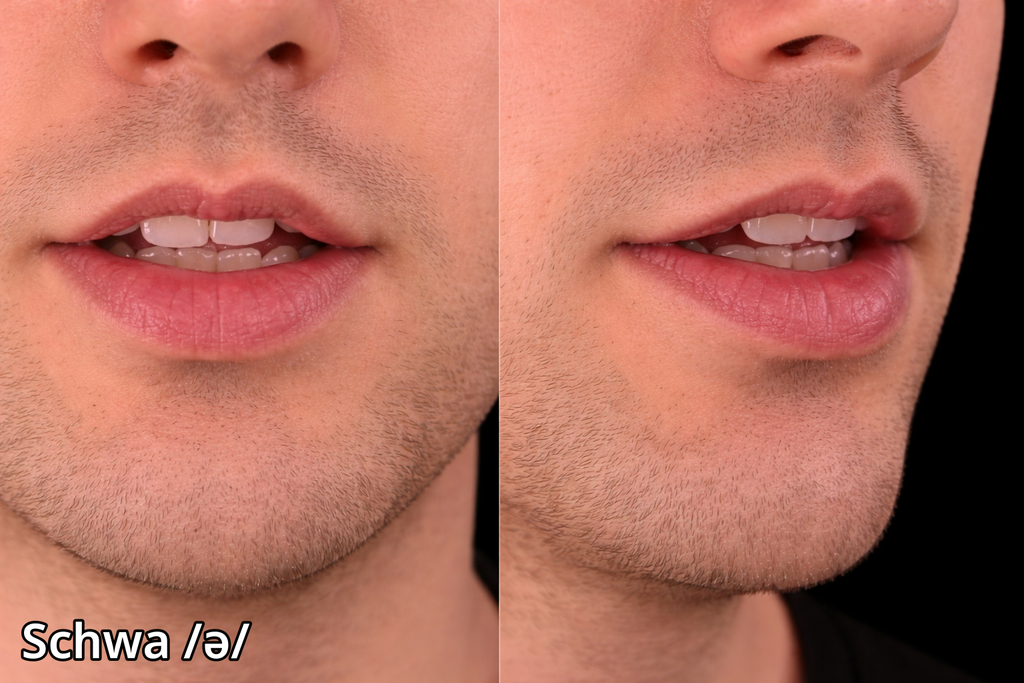
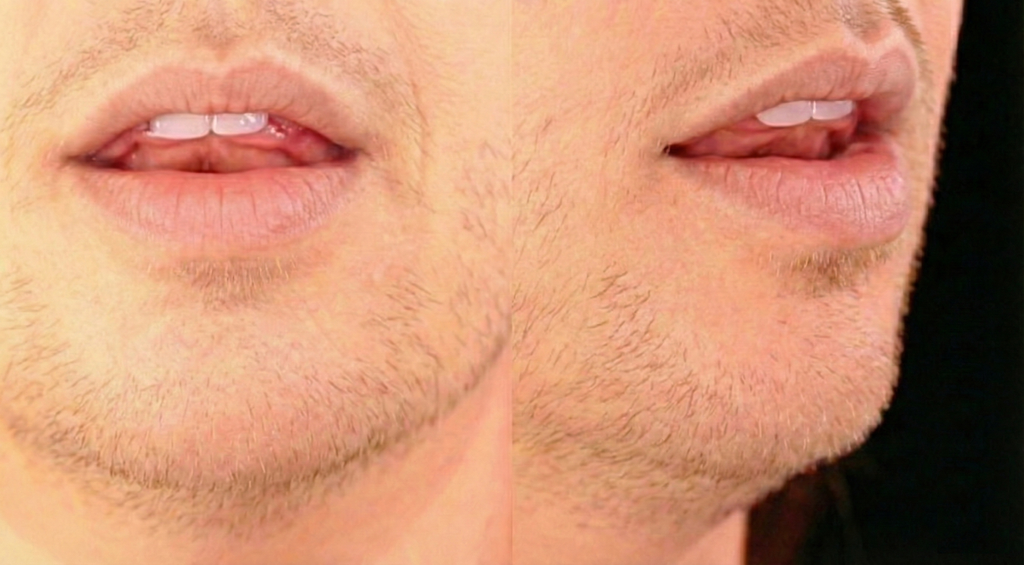
Americans pronounce lunch as LUHNCH (/lʌntʃ/).
Now you try.
Record yourself saying "lunch" and play it back. The mic stays on your device — nothing's uploaded.
Why it sounds different
Why "lunch" sounds like LUHNCH.
The "" at the end of "" flows directly into the vowel starting "" — the consonant migrates to the next word with no pause between. This is called the Consonant-to-Vowel Linking, the way sentences stop sounding like a list and start sounding like speech. It comes out as LUHNCH.
In real conversation
Hear "lunch" in the wild.
Click any sentence to see the full breakdown — every link, every reduction, every flap-T.
"Come back when you've had some lunch."
KUHM BAK wehn yoov HAD suhm LUHNCH
"Does the judge have enough money for lunch?"
duhz dhuh JUHJ hav uh·NUHF MUH·nee fer LUHNCH
"Have you eaten lunch yet?"
hav yoo EE·tuhn LUHNCH yeht
"Let's grab lunch at the place around the corner."
LEHTS GRAB LUHNCH uht dhuh PLAYS uh·ROWND dhuh KOR·ner
"Search for the lunch on the porch with the torch."
SURCH fer dhuh LUHNCH ahn dhuh PORCH wihth dhuh TORCH
"She asked if we could move the lunch to an earlier time."
shee ASKT ihf wee kuud MOOV dhuh LUHNCH tuh uhn UR·lee·er TAHYM
Questions
Questions people ask about this.
Is the American pronunciation of "lunch" different from British English?
American English uses different vowel shapes, a relaxed retroflex R, and connected-speech tricks like flap-T and glottal-stop T that British Received Pronunciation generally avoids. The respell "LUHNCH" reflects the casual American form; British dictionaries typically print a citation form with crisper consonants and different vowel choices.