How to pronounce me in American English
mee
Start here
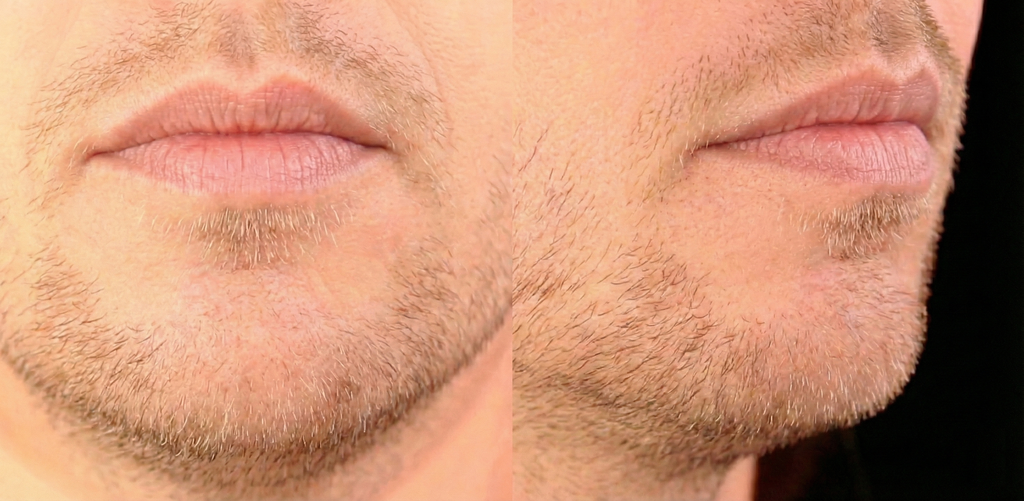
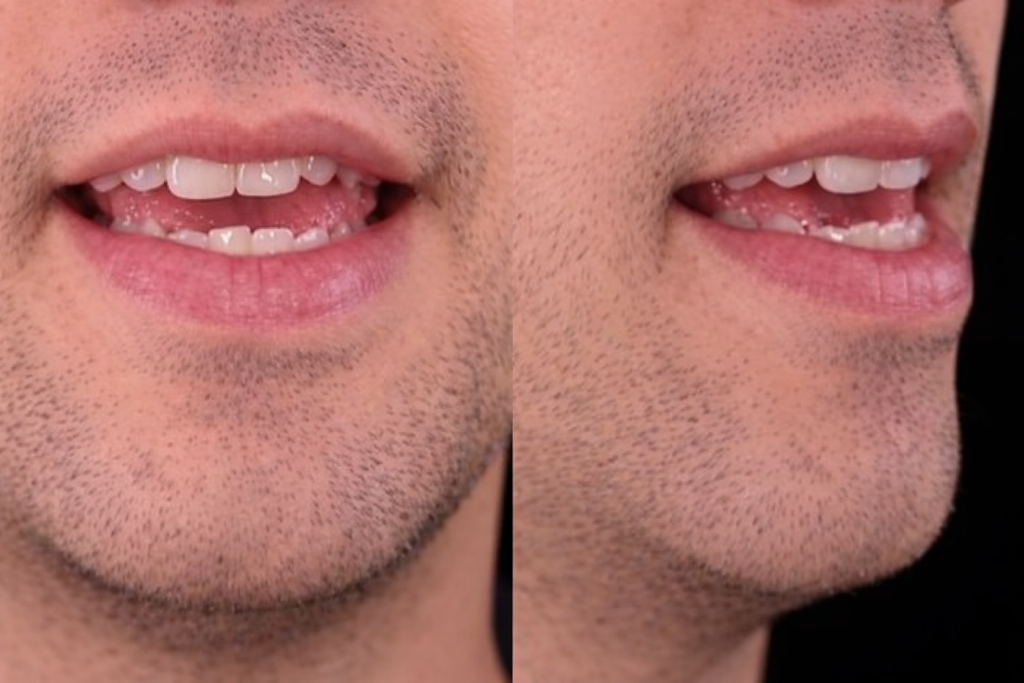
Americans pronounce me as mee (/mi/).
Now you try.
Record yourself saying "me" and play it back. The mic stays on your device — nothing's uploaded.
Why it sounds different
Why "me" sounds like mee.
Between "" and "", a brief "" glide bridges the two vowels for smooth flow. This is called the Vowel-to-Vowel Linking, the way sentences stop sounding like a list and start sounding like speech. It comes out as mee.
In real conversation
Hear "me" in the wild.
Click any sentence to see the full breakdown — every link, every reduction, every flap-T.

"Allow me to demonstrate how this solution addresses your concerns."
uh·LOW mee tuh DEH·muhn·strayt HOW dhihs suh·LOO·shuhn uh·DREH·suhz yer kuhn·SURNZ
"Can you bring me that thing over there?"
kuhn yuh BRIHNG mee dhat thihng OH·ver DHAIR
"Can you fill this sheet out for me?"
kan yoo FIHL dhihs SHEET OWT fer mee
"Can you get me a cup of coffee?"
kuhn yuh GEHT mee uh KUHP uhv KAH·fee
"Can you give me an update on the situation?"
kuhn yoo GIHV mee uhn UHP·dayt ahn dhuh sih·choo·AY·shuhn
"Can you help me set up this new printer?"
kuhn yoo HEHLP mee SEHT UHP dhihs noo PRIHN·ter
Questions
Questions people ask about this.
Is the American pronunciation of "me" different from British English?
American English uses different vowel shapes, a relaxed retroflex R, and connected-speech tricks like flap-T and glottal-stop T that British Received Pronunciation generally avoids. The respell "mee" reflects the casual American form; British dictionaries typically print a citation form with crisper consonants and different vowel choices.