p/p/
Press your lips together to stop the air, then release. No vocal cord vibration.
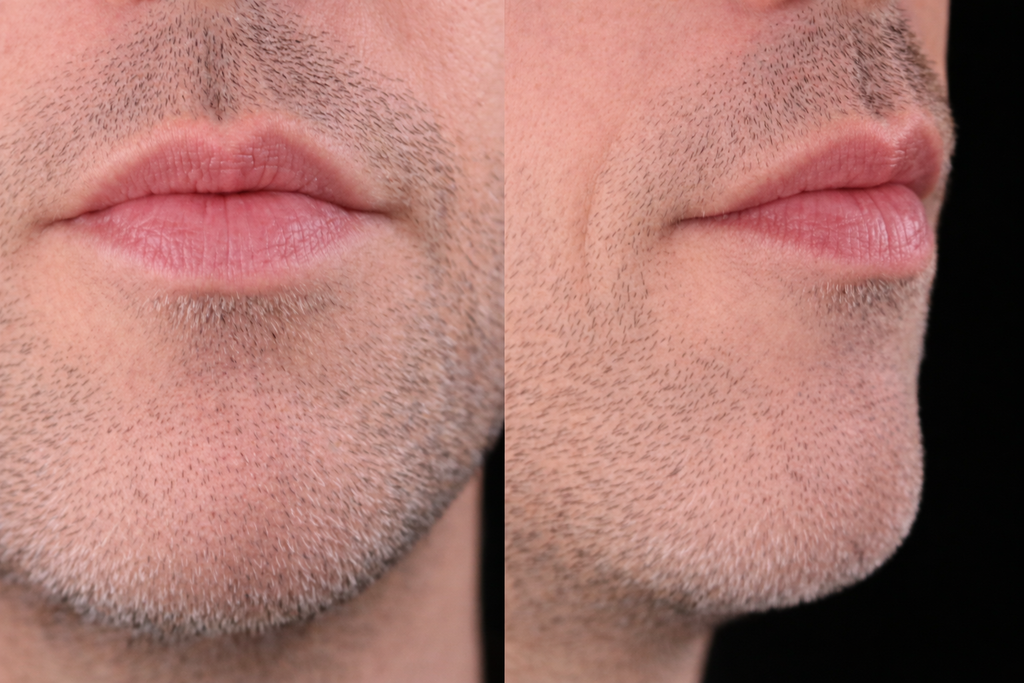
Americans pronounce plains as PLAYNZ (/pleɪnz/). You'll hear it in sentences like "The plains are flat and covered with tall grass".
Record yourself saying "plains" and play it back. The mic stays on your device — nothing's uploaded.
1 syllable, 5 sounds. Explore each sound's mouth shape and how it's made.
Press your lips together to stop the air, then release. No vocal cord vibration.
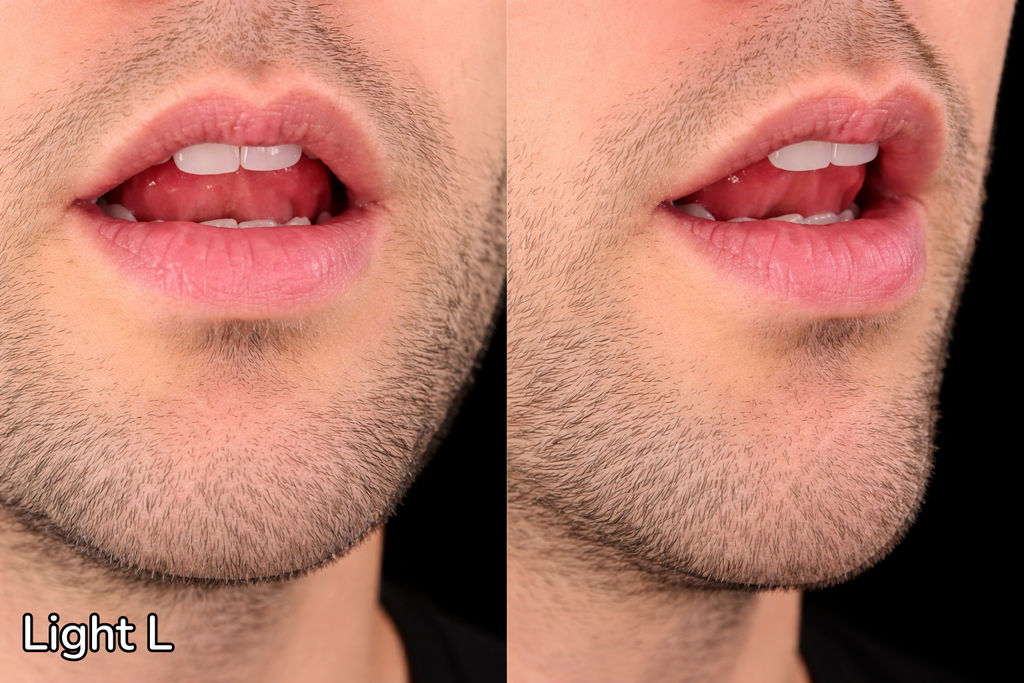
Place the tip of your tongue against the alveolar ridge just behind your top front teeth, the same contact point as /t/, /d/, and /n/. The difference is what happens to the air: for /l/, you let it flow continuously around the <em>sides</em> of the tongue (that's why /l/ is called a lateral). Turn your voice on the whole time. Lips stay relaxed, no rounding or flaring. For the Dark L variant at the end of a syllable, also pull the back of the tongue up and back toward the soft palate.
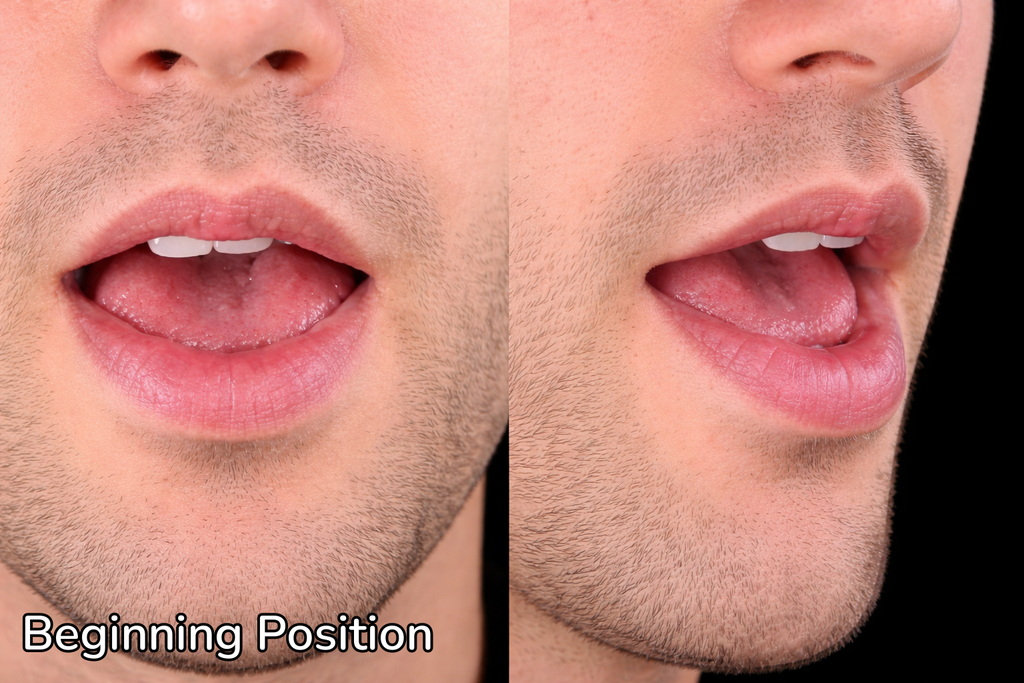
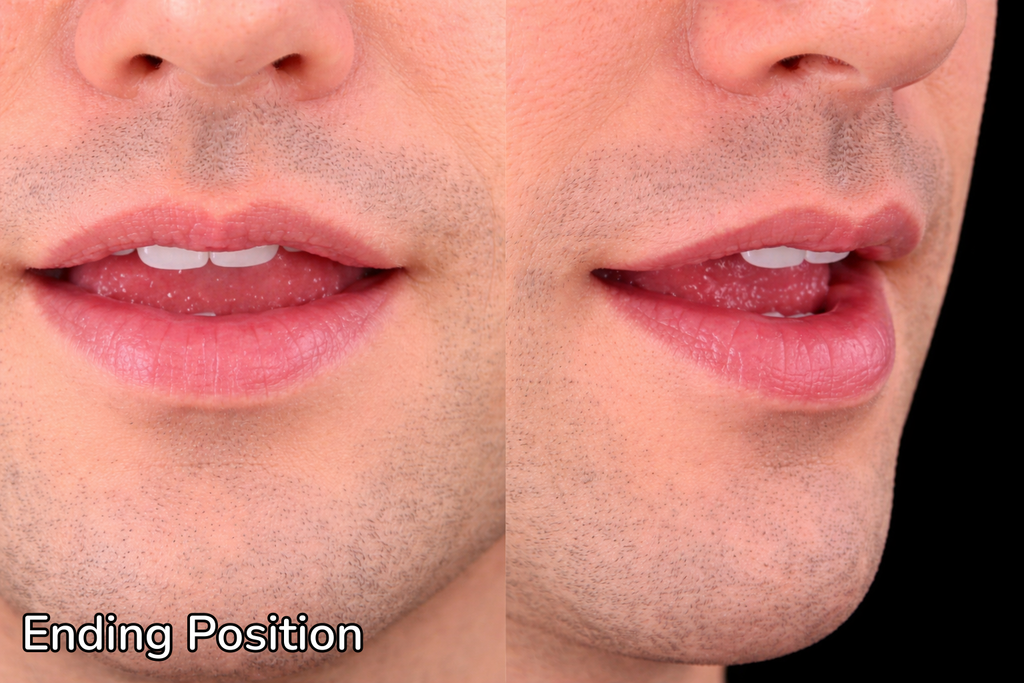
Start with your jaw slightly open and the front of your tongue forward and slightly up. Glide upward, your jaw closes a little more and your tongue arches higher toward the roof of the mouth.
Touch the tip or front edge of your tongue to the roof of your mouth behind your teeth. Air flows through your nose.
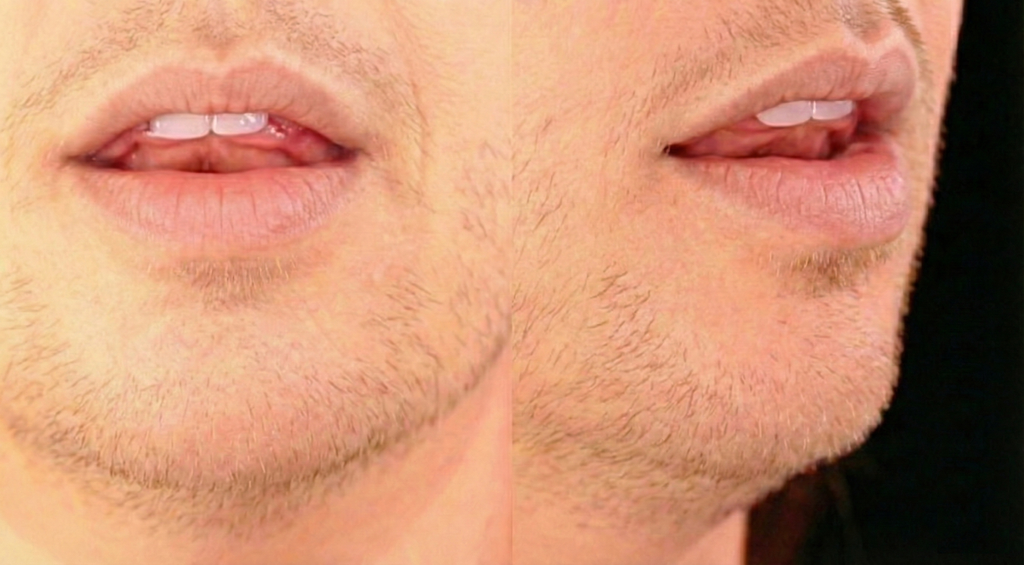
Same position as S, but add vocal cord vibration. Feel the buzz.

SayWaader is the AI pronunciation coach for American English. Practice 5 minutes a day. Get a 5-axes accent assessment. Sound like you live here.