t/t/
Touch the tip or front edge of your tongue to the roof of your mouth just behind your teeth. Keep your jaw relaxed. Stop the air, then release with a puff.
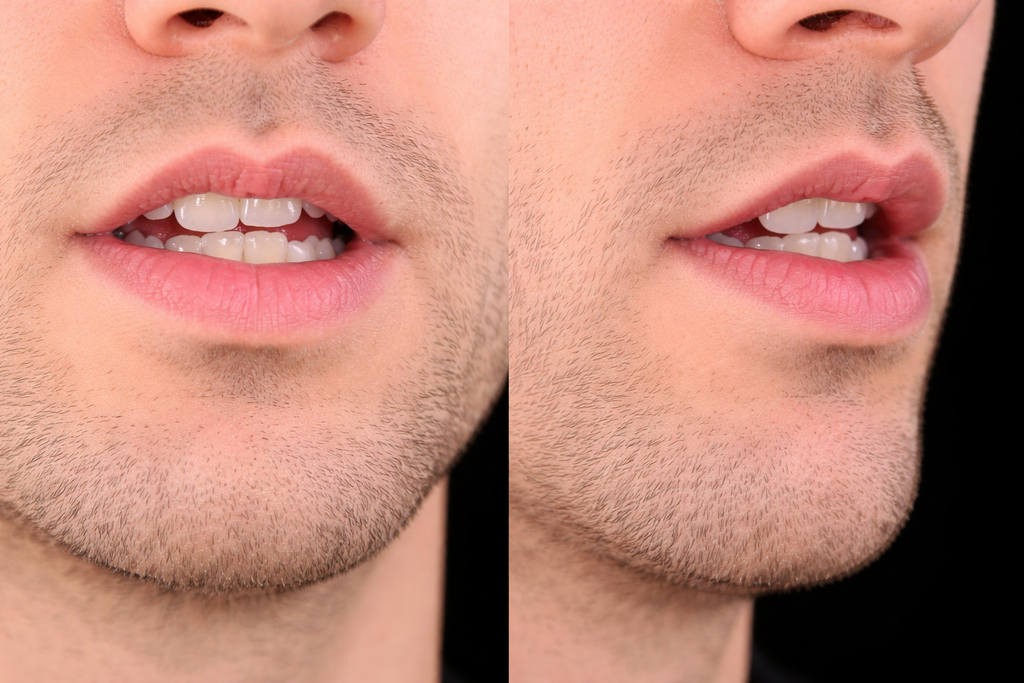
Americans pronounce tail as TAYL (/teɪl/). The L in "tail" is a dark L — the back of the tongue rises toward the soft palate, adding a small "uh" quality before the L. This is called the Dark L vs Light L, the kind of sound shift that makes everyday speech feel effortless. It comes out as TAYL. You'll hear it in sentences like "The dog will wag its tail when it's happy" or "The seahorse wraps its tail around seagrass to stay anchored" — more examples below.
Record yourself saying "tail" and play it back. The mic stays on your device — nothing's uploaded.
1 syllable, 3 sounds. Explore each sound's mouth shape and how it's made.
Touch the tip or front edge of your tongue to the roof of your mouth just behind your teeth. Keep your jaw relaxed. Stop the air, then release with a puff.
Start with your jaw slightly open and the front of your tongue forward and slightly up. Glide upward, your jaw closes a little more and your tongue arches higher toward the roof of the mouth.
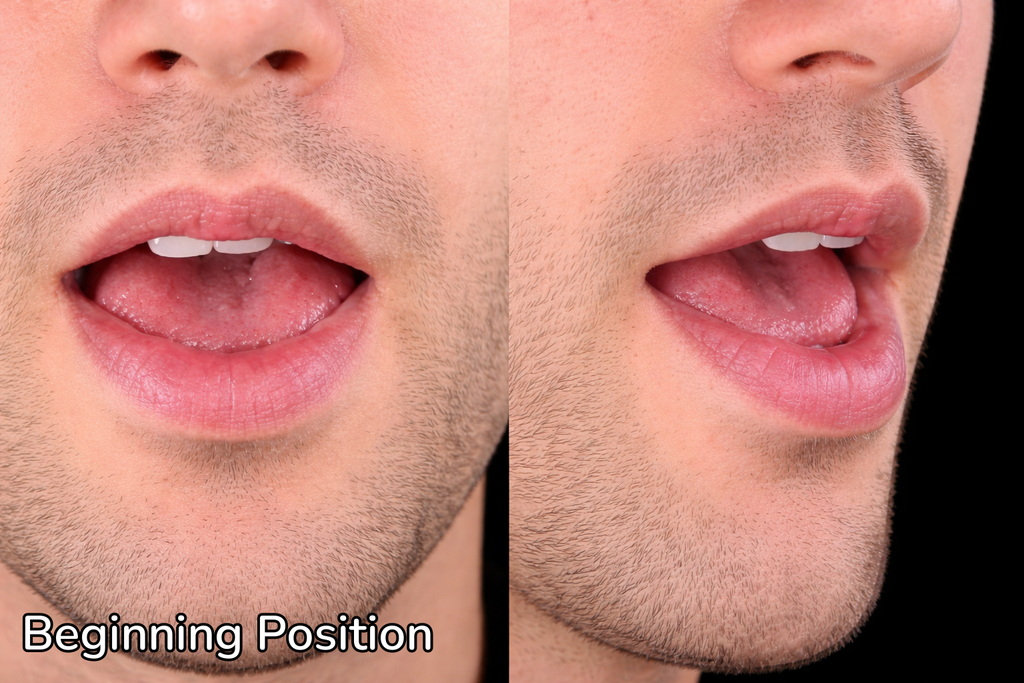
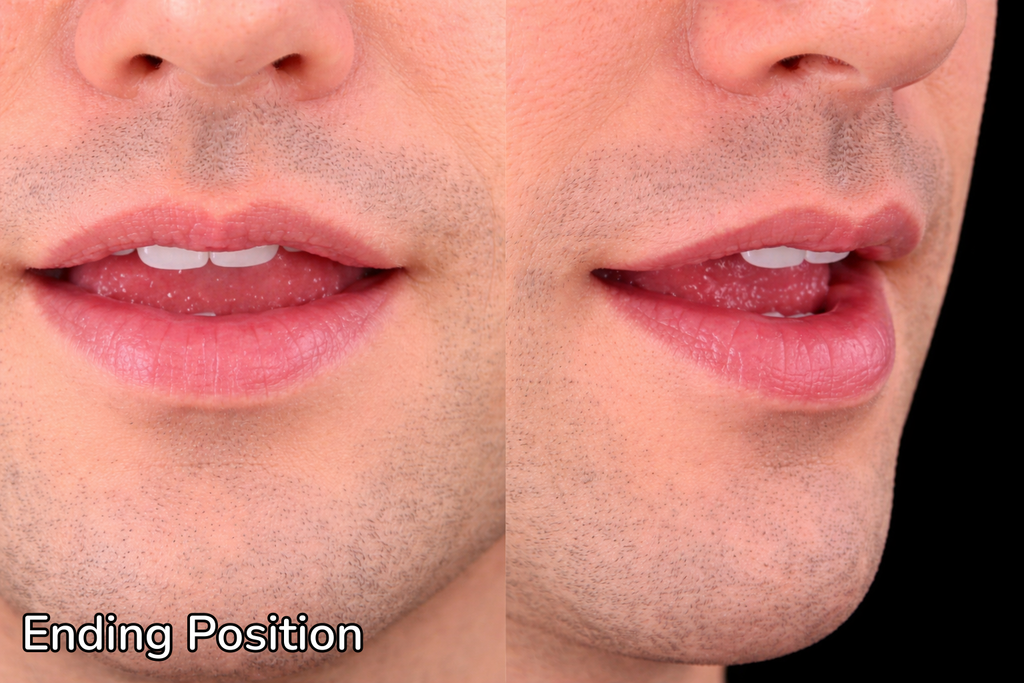
Keep the tongue tip down and pull the back of the tongue up toward the throat. The 'dark' sound comes from the back.
Click any sentence to see the full breakdown — every link, every reduction, every flap-T.
The textbook way isn't wrong — it's just not how anyone actually says it.
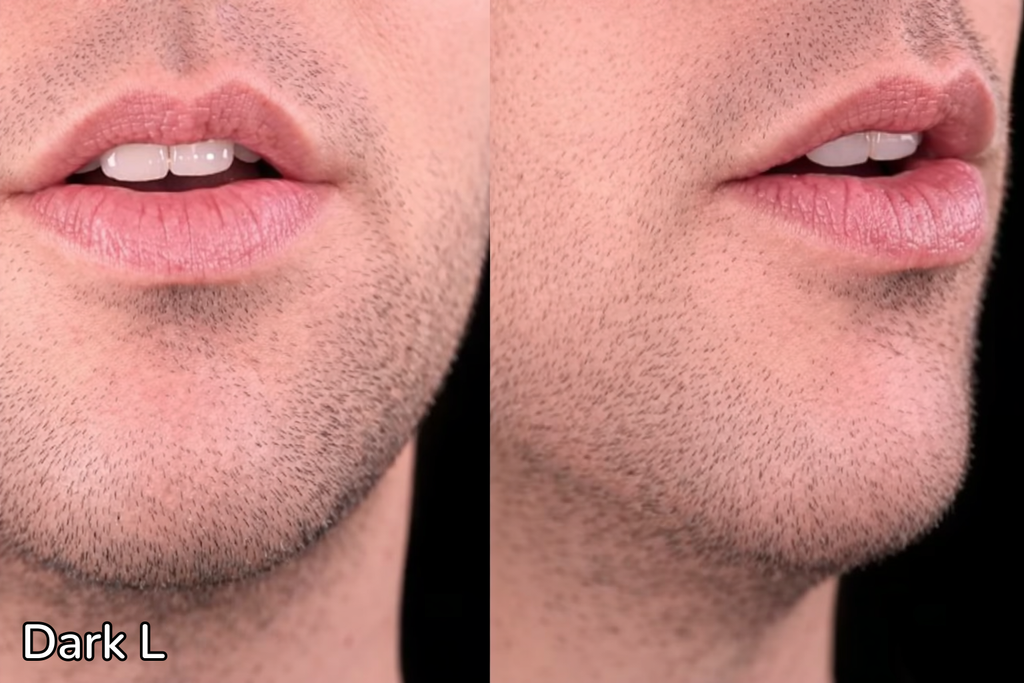
The L in "tail" is a dark L — the back of the tongue rises toward the soft palate, adding a small "uh" quality before the L. Dark L adds a small schwa-like "uh" before the L. The back of the tongue lifts toward the soft palate.

SayWaader is the AI pronunciation coach for American English. Practice 5 minutes a day. Get a 5-axes accent assessment. Sound like you live here.