How to pronounce The SAW Vowel /ɔ/ in American English
One of the most common vowels in American English. Hear it in law, saw, raw, jaw.
The /ɔ/ vowel, the saw sound, is the deep, slightly rounded vowel American English uses for words like law, dog, boss, and caught. To make it, drop your jaw moderately, shift your tongue back so the tip hangs free, and flare your lips forward slightly. In fact, millions of Americans don't use this sound at all. Because of the cot-caught merger, millions of American speakers pronounce saw exactly like the ah /ɑ/ vowel. Both versions are perfectly standard.
Three small adjustments.
Get them right and the sound takes care of itself.
Drop your jaw moderately and flare your lips slightly. Shift your tongue back so the tip hangs free.
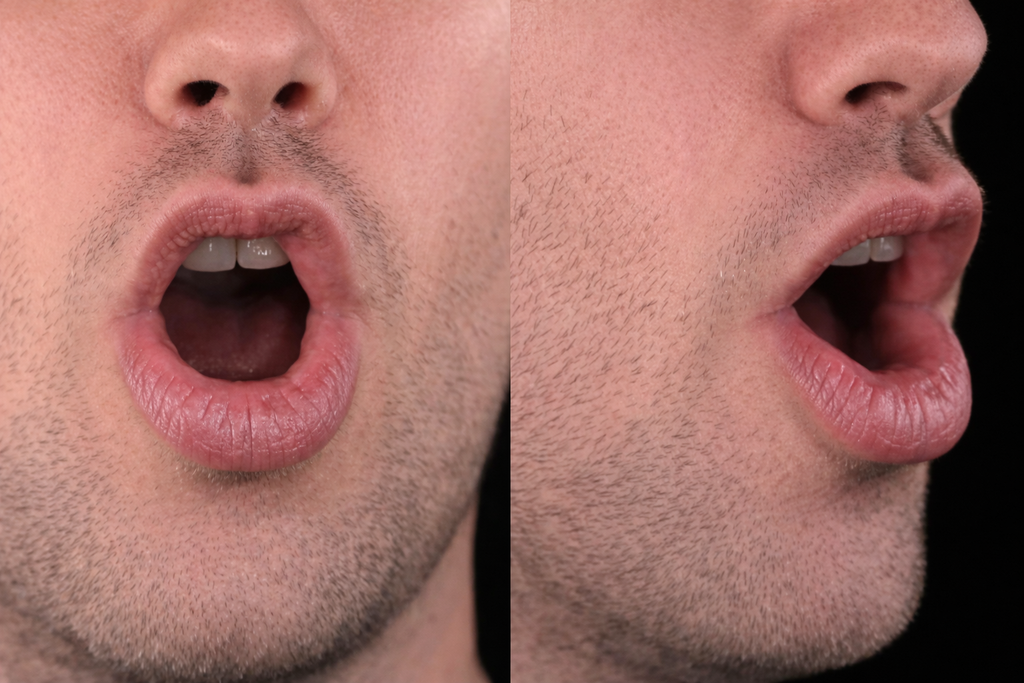
Mouth shape
/ɔ/ as in law
Jaw
Drops noticeably.
Tongue
Shifts back. The tip hangs free and doesn't touch anything.
Lips
Flare forward. Drawing the lips forward pulls the cheeks slightly inward.
Two things to remember.
Think of flaring the lips forward and letting the cheeks pull slightly inward to differentiate from AH.
Because most American speakers (especially in the West and Midwest) pronounce AW /ɔ/ and AH /ɑ/ identically, you will often hear 'aw' words pronounced like 'ah'. This is called the cot-caught merger, and both pronunciations are standard.
Compare with similar sounds.
If your sound is sliding into a neighbor, here's how to tell them apart.
15 everyday words.
Tap any word for its full breakdown — every reduction, every flap-T.
In real conversation.
5 short sentences where this sound shows up. Tap to play; click the title for the full breakdown.
Common questions about /ɔ/.
What's the best way to make the /ɔ/ vowel?
Why do some Americans pronounce "caught" and "cot" the same way?
How is the /ɔ/ vowel in "law" different from the O in "low"?

Practice /ɔ/ with an AI coach.
SayWaader is the AI pronunciation coach for American English. Practice 5 minutes a day. Get a 5-axes accent assessment. Sound like you live here.