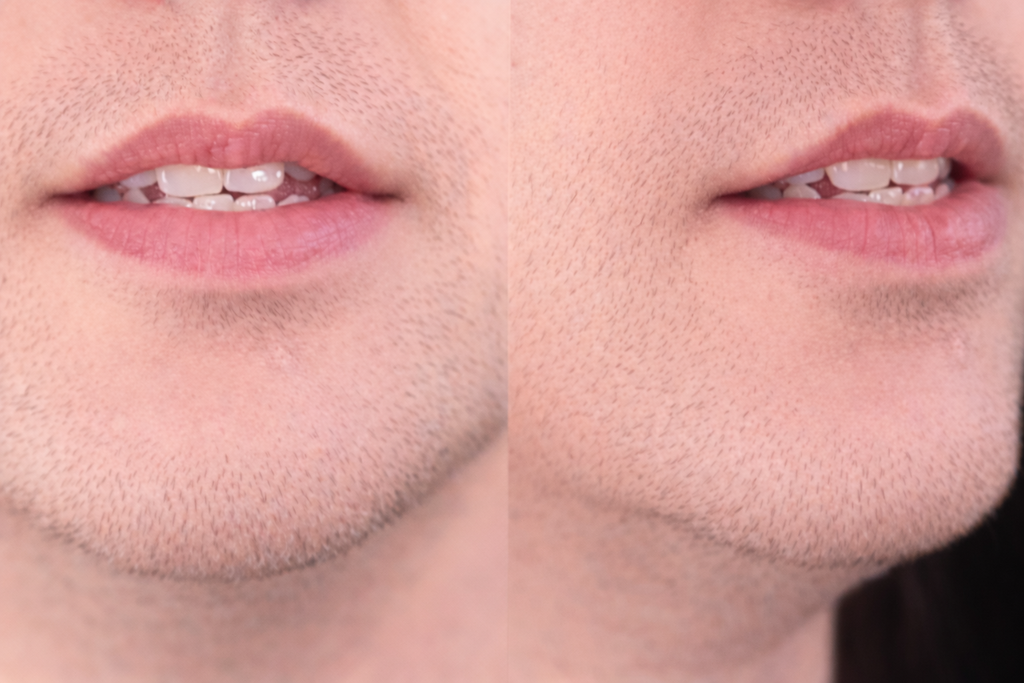
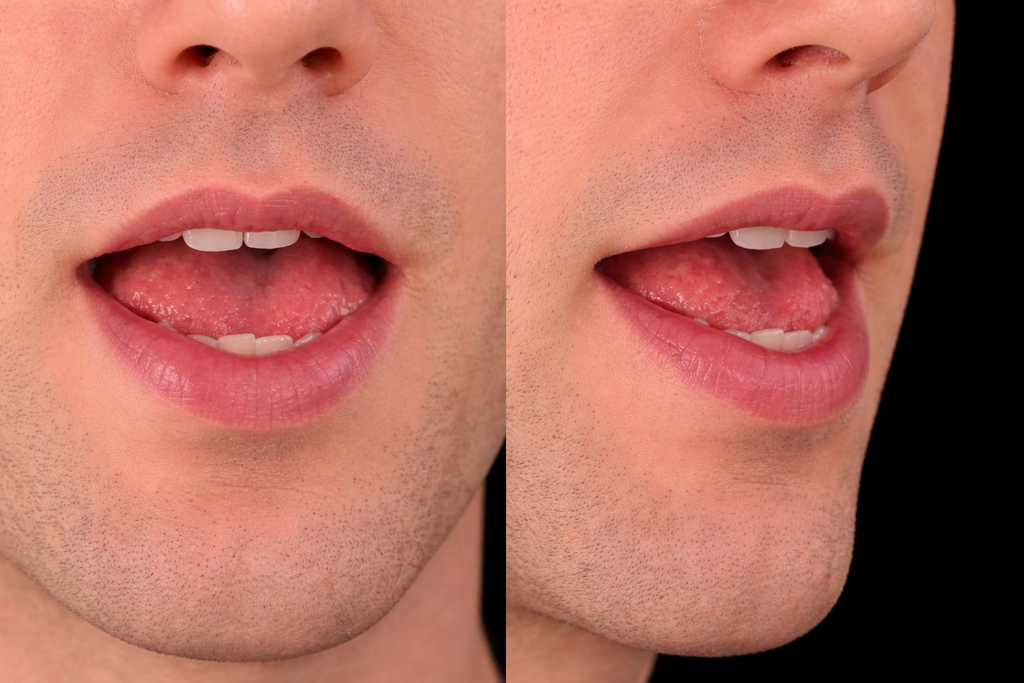
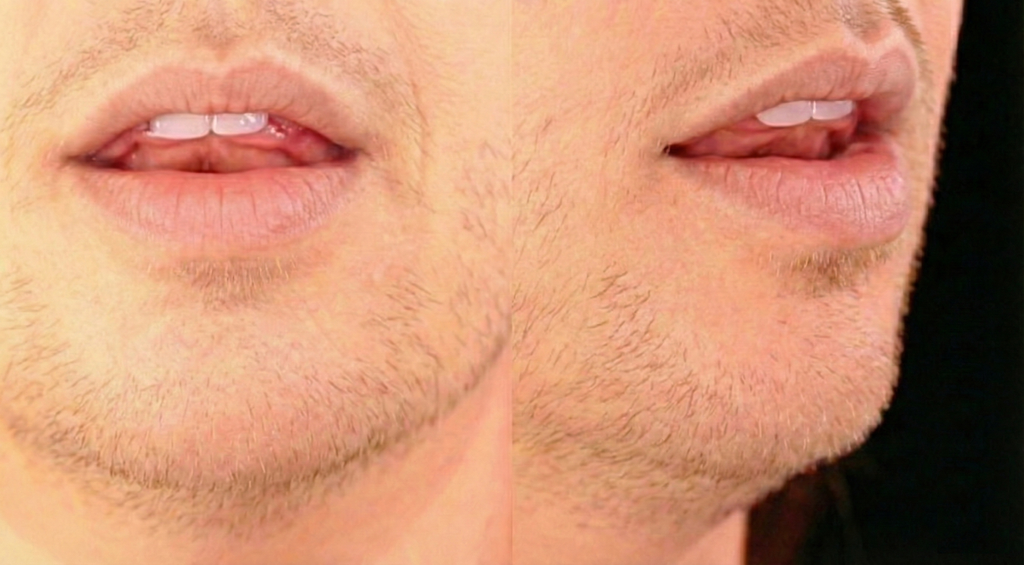
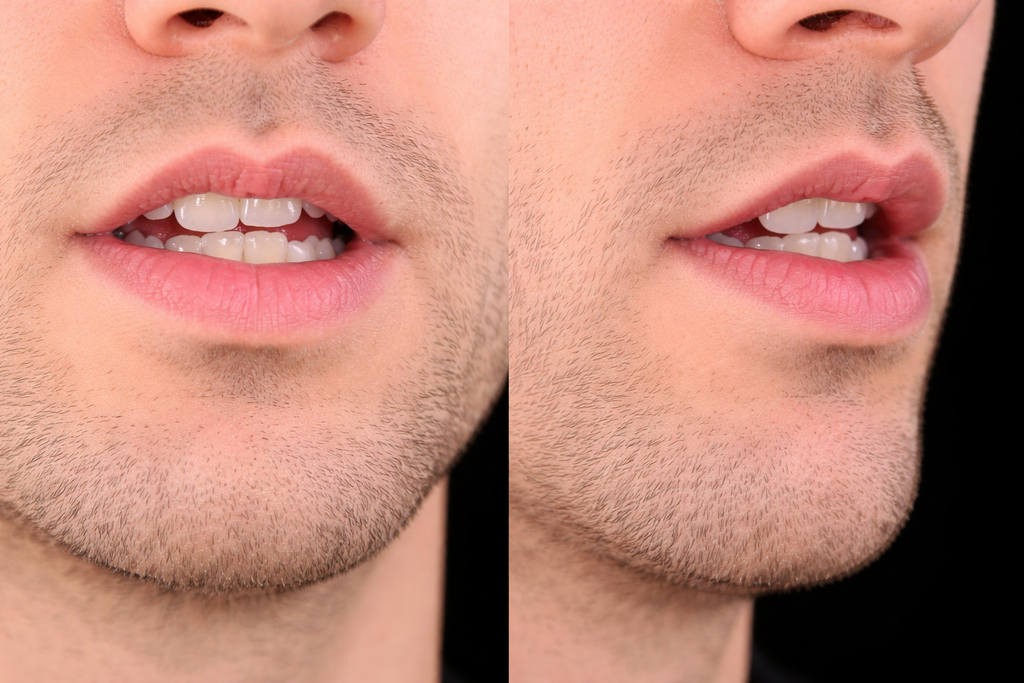
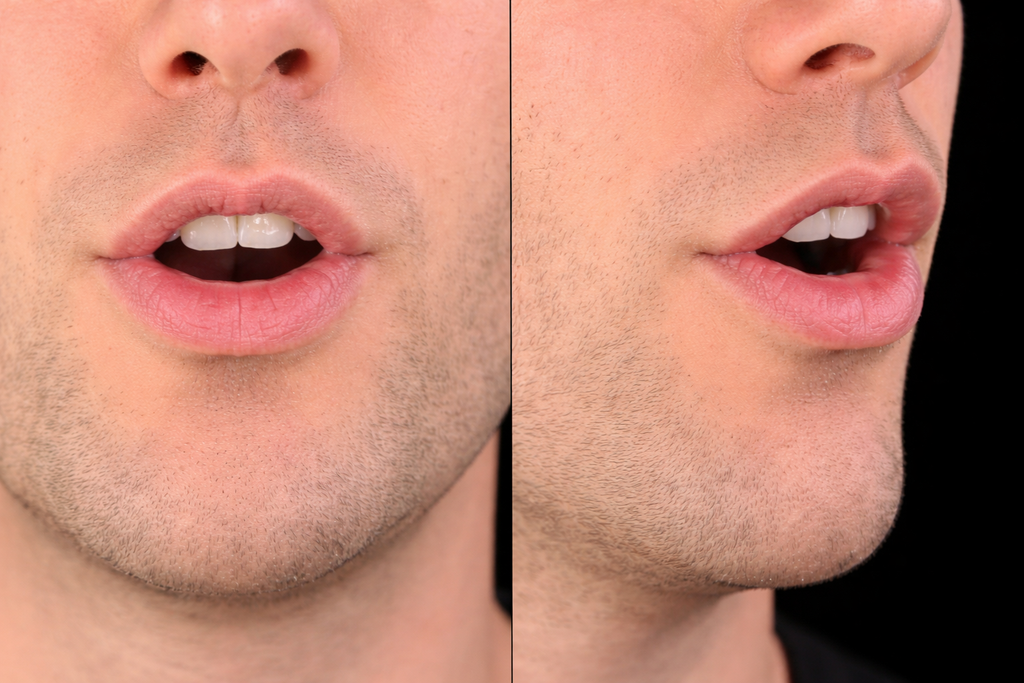
How to pronounce center in American English

IPA /ˈsɛntər/ Syllables 2 · sehn·ter Stress 1st syllable
SEHN·ter
Start here

Americans pronounce center as SEHN-ter (/ˈsɛntər/). The T drops out of the cluster entirely in casual American speech. Stress falls on the first syllable — keep everything else short and quick.

Now you try.

Record yourself saying "center" and play it back. The mic stays on your device — nothing's uploaded.

Ready when you are
Tap the mic to start
Preview your accent profile

Get your accent profile and 5-axes assessment.

Sounds
75%
Clarity
68%
Stress
78%
Intonation
65%
Fluency
62%

Overall assessment

Our AI coach listens to your recording and grades 5 dimensions of pronunciation — then tells you exactly what to fix next.

72% Noticeable accent

Common mistakes

Pronouncing the silent T after N.

In "center", the "t" right after N is dropped — the tongue skips the T stop and moves directly from the N position to the next sound. /t/ is completely silent — the tongue skips the T stop and moves directly from the N position to the next sound.

Stressing the wrong syllable.

Stress falls on the first syllable, not the others. Stretch SEHN — keep everything else short and quick.

Unlock the full report in the app
Why it sounds different

Why "center" sounds like SEHN·ter.

In "center", the "t" right after N is dropped — the tongue skips the T stop and moves directly from the N position to the next sound. This is called the Silent T after N, and it's one of the defining features of casual American English. It comes out as SEHN·ter.

In real conversation

Hear "center" in the wild.

Click any sentence to see the full breakdown — every link, every reduction, every flap-T.

"Gravity is the force that attracts objects toward the center of the earth."
GRA·vuh·dee ihz dhuh FORS dhuht uh·TRAKTS AHB·jehkts tuh·WORD dhuh SEHN·ter uhv dhee URTH
"She volunteers at a wildlife rehabilitation center."
shee vah·luhn·TEERZ uht uh WAHYLD·lahyf ree·huh·bih·luh·TAY·shuhn SEHN·ter
"Sit silently in the center of the circle."
SIHT SAHY·luhnt·lee ihn dhuh SEHN·ter uhv dhuh SUR·kuhl
"The choir rehearses every Tuesday evening at the community center."
dhuh KWAHY·er ruh·HUR·suhz EHV·ree TOOZ·day EEV·nuhng uht dhuh kuh·MYOO·nuh·tee SEHN·ter
"The driver drove the tanker to the center."
dhuh DRAHY·ver DROHV dhuh TANG·ker tuh dhuh SEHN·ter
"The health center provides free services to enrolled students."
dhuh HEHLTH SEHN·ter pruh·VAHYDZ FREE SUR·vuh·suhz tuh ehn·ROHLD STOO·duhnts
Watch out

Common pronunciation mistakes in American English.

The textbook way isn't wrong — it's just not how anyone actually says it.

01

Pronouncing the silent T after N.

In "center", the "t" right after N is dropped — the tongue skips the T stop and moves directly from the N position to the next sound. /t/ is completely silent — the tongue skips the T stop and moves directly from the N position to the next sound.

centerSEHN·ter
02

Stressing the wrong syllable.

Stress falls on the first syllable, not the others. Stretch SEHN — keep everything else short and quick.

sehn·TERSEHN·ter
03

Pronouncing the "R" too clearly.

Americans use a relaxed retroflex R — the tongue curls back rather than rolling. The R is one continuous sound with the vowel before it, not two separate sounds.

… (no R)r (curl the tongue)
Questions

Questions people ask about this.

How is "center" stressed in American English?
Stress falls on the first syllable — say "SEHN" with a longer, fuller vowel and keep every other syllable short and quick. The respell "SEHN-ter" marks the stressed syllable in capitals so the rhythm is easy to read at a glance.
How do I pronounce the R in "center"?
Americans use a relaxed retroflex R: the tongue curls back rather than rolling, and the R is one continuous sound with the vowel before it — not two separate sounds. Don't try to pronounce a separate vowel followed by a separate R. Treat them as a single shape.
Is the American pronunciation of "center" different from British English?
American English uses different vowel shapes, a relaxed retroflex R, and connected-speech tricks like flap-T and glottal-stop T that British Received Pronunciation generally avoids. The respell "SEHN-ter" reflects the casual American form; British dictionaries typically print a citation form with crisper consonants and different vowel choices.

Stop reading about "center". Start saying it.

SayWaader is the AI pronunciation coach for American English. Practice 5 minutes a day. Get a 5-axes accent assessment. Sound like you live here.