How to pronounce ended in American English

IPA /ˈɛndəd/ Syllables 2 · ehn·duhd Stress 1st syllable
EHN·duhd
Start here

Americans pronounce ended as EHN-duhd (/ˈɛndəd/). Stress falls on the first syllable — keep everything else short and quick. You'll hear it in sentences like "She felt sad when the movie ended" or "The match ended in a draw after ninety minutes of play" — more examples below.

Now you try.

Record yourself saying "ended" and play it back. The mic stays on your device — nothing's uploaded.

Ready when you are
Tap the mic to start
Preview your accent profile

Get your accent profile and 5-axes assessment.

Sounds
75%
Clarity
68%
Stress
78%
Intonation
65%
Fluency
62%

Overall assessment

Our AI coach listens to your recording and grades 5 dimensions of pronunciation — then tells you exactly what to fix next.

72% Noticeable accent

Common mistakes

Releasing the final consonant with a puff of air.

In "ended", the "d" is not released — the articulators get into position but hold without the burst of air. Air stops but there's no release burst — the articulators hold position.

Stressing the wrong syllable.

Stress falls on the first syllable, not the others. Stretch EHN — keep everything else short and quick.

Unlock the full report in the app
Sound by sound

Every sound in "ended".

2 syllables, 5 sounds. Tap a syllable to jump to its row, then explore each sound's mouth shape and how it's made.

eh/ɛ/

Drop your jaw moderately. Touch the tongue tip behind the bottom front teeth and lift the mid-front part slightly toward the roof.
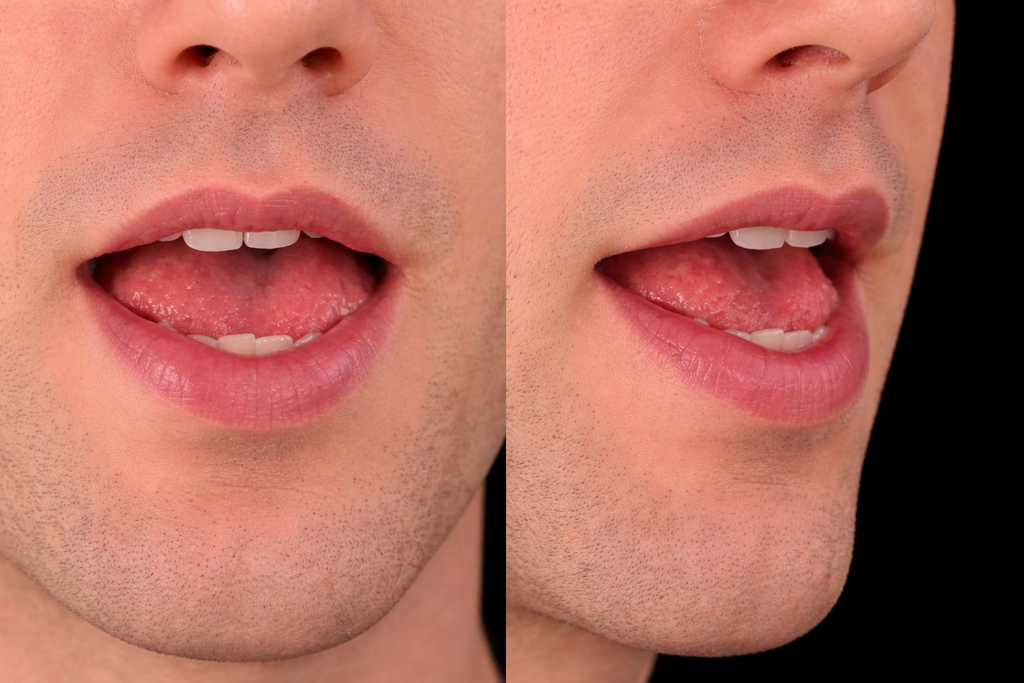
Mouth position for BED Vowel
n/n/

Touch the tip or front edge of your tongue to the roof of your mouth behind your teeth. Air flows through your nose.
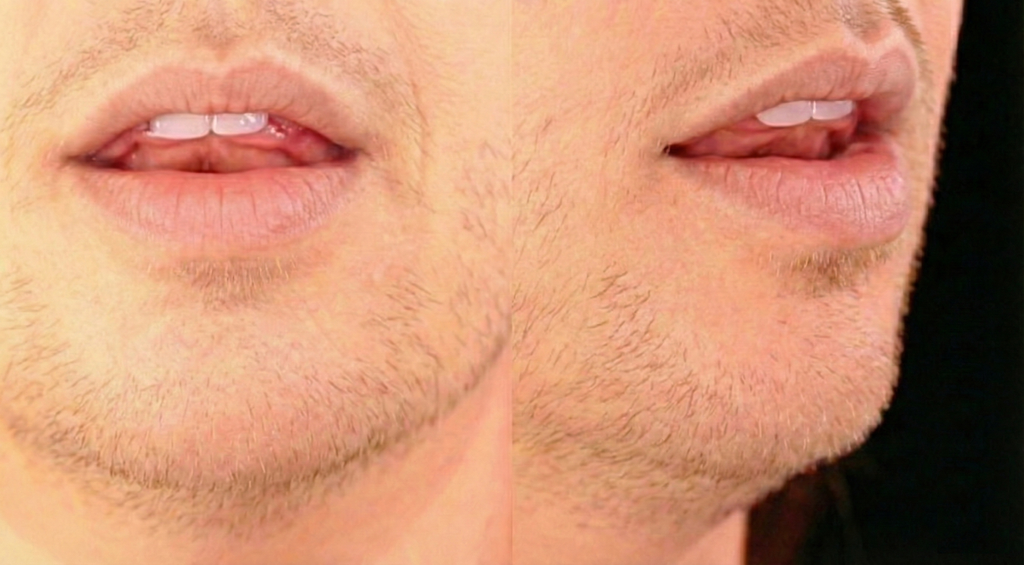
Mouth position for /n/ as in NET
d/d/

Touch the tip of your tongue to the roof of your mouth just behind your teeth. Add vocal cord vibration as you release.
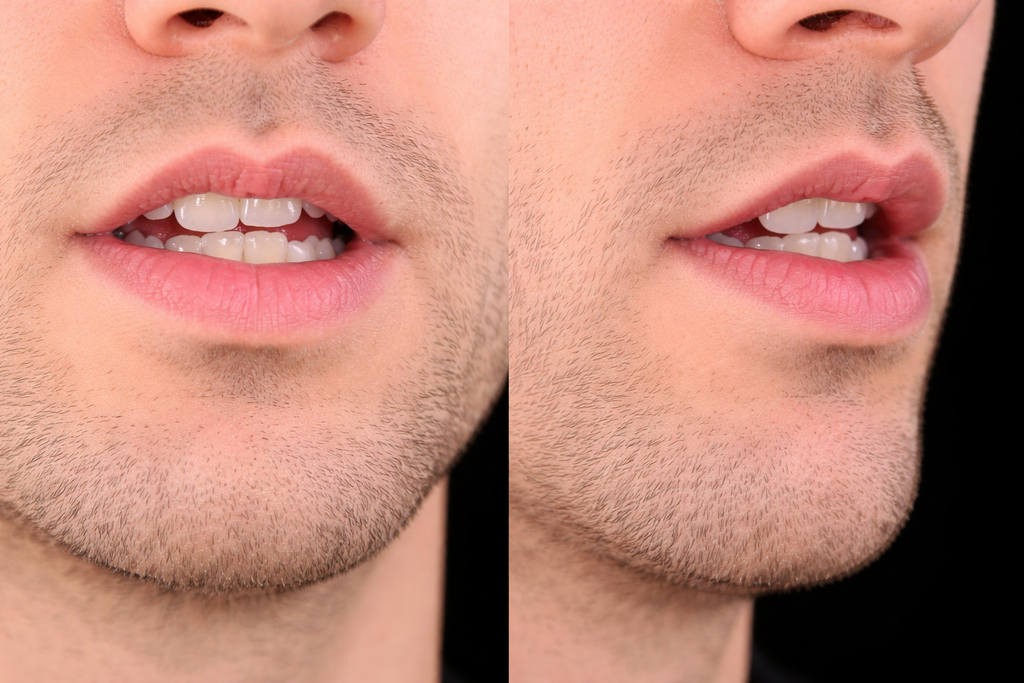
Mouth position for /d/ as in DEN
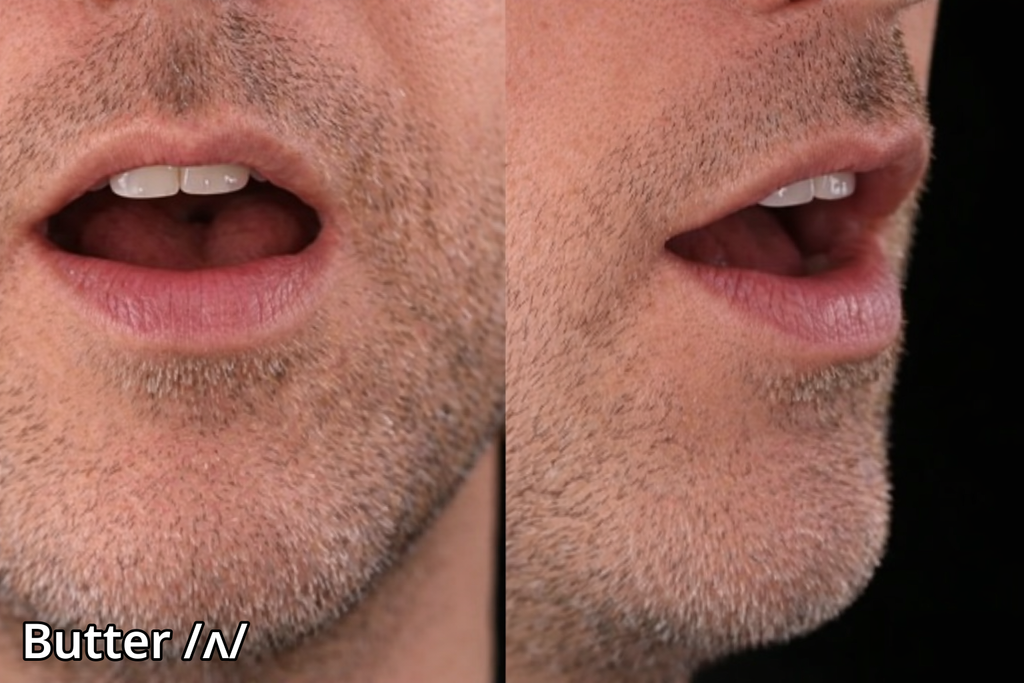
uh/ʌ/

Relax your lips, jaw, and tongue completely. Drop your jaw slightly and keep the tongue neutral.
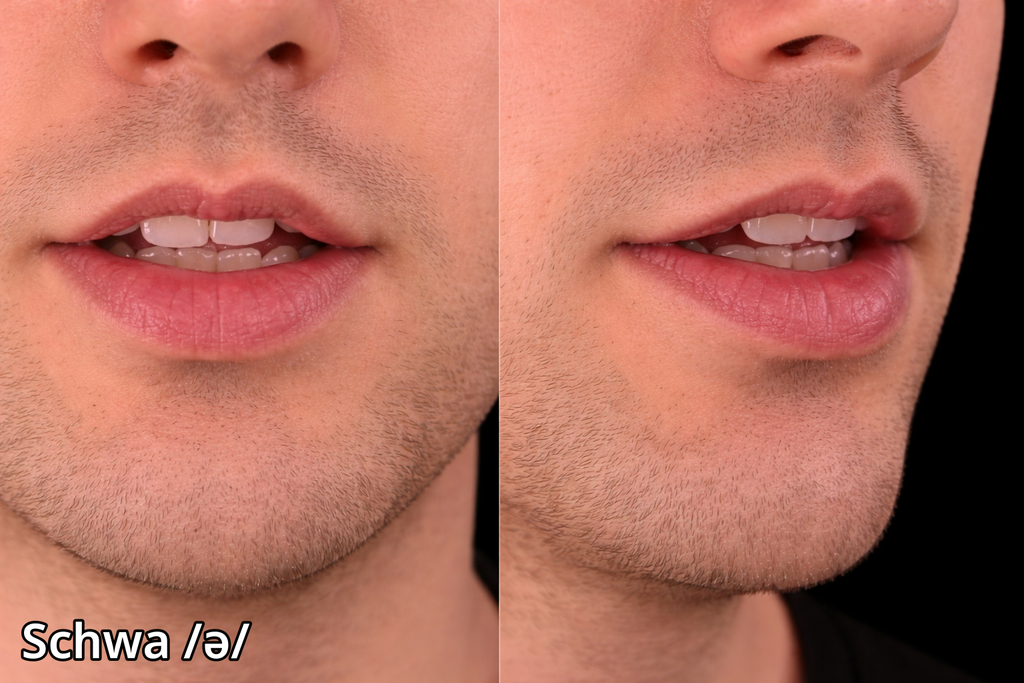
d/d/

Touch the tip of your tongue to the roof of your mouth just behind your teeth. Add vocal cord vibration as you release.

Mouth position for /d/ as in DEN
In real conversation

Hear "ended" in the wild.

Click any sentence to see the full breakdown — every link, every reduction, every flap-T.

"She felt sad when the movie ended."
shee FEHLT SAD wehn dhuh MOO·vee EHN·duhd
"The match ended in a draw after ninety minutes of play."
dhuh MACH EHN·duhd ihn uh DRAH AF·ter NAHYN·dee MIH·nuhts uhv PLAY
Find another

Looking for a different word or sentence?

Search the entire library
/
Press / anywhere to focus the search box.
Watch out

Common pronunciation mistakes in American English.

The textbook way isn't wrong — it's just not how anyone actually says it.

01

Releasing the final consonant with a puff of air.

In "ended", the "d" is not released — the articulators get into position but hold without the burst of air. Air stops but there's no release burst — the articulators hold position.

endedEHN·duhd
02

Stressing the wrong syllable.

Stress falls on the first syllable, not the others. Stretch EHN — keep everything else short and quick.

ehn·DUHDEHN·duhd
03

Pronouncing the unstressed syllable too fully.

Don't pronounce the first syllable too fully. The unstressed syllable reduces to a schwa — the lazy "uh" sound — in casual speech.

EHN·DUHDEHN·duhd
Questions

Questions people ask about this.

How is "ended" stressed in American English?
Stress falls on the first syllable — say "EHN" with a longer, fuller vowel and keep every other syllable short and quick. The respell "EHN-duhd" marks the stressed syllable in capitals so the rhythm is easy to read at a glance.
Why does the second syllable in "ended" reduce to "uh"?
Unstressed syllables in American English collapse toward a schwa — a lazy, neutral "uh" sound. The full vowel is what textbooks teach, but in actual American speech every unstressed vowel reduces. The respell "EHN-duhd" shows the reduced form so you can hear the casual rhythm directly.
Is the American pronunciation of "ended" different from British English?
American English uses different vowel shapes, a relaxed retroflex R, and connected-speech tricks like flap-T and glottal-stop T that British Received Pronunciation generally avoids. The respell "EHN-duhd" reflects the casual American form; British dictionaries typically print a citation form with crisper consonants and different vowel choices.

Stop reading about "ended". Start saying it.

SayWaader is the AI pronunciation coach for American English. Practice 5 minutes a day. Get a 5-axes accent assessment. Sound like you live here.