g/g/
Raise the back of your tongue to touch the soft palate. Add vocal cord vibration, then release.
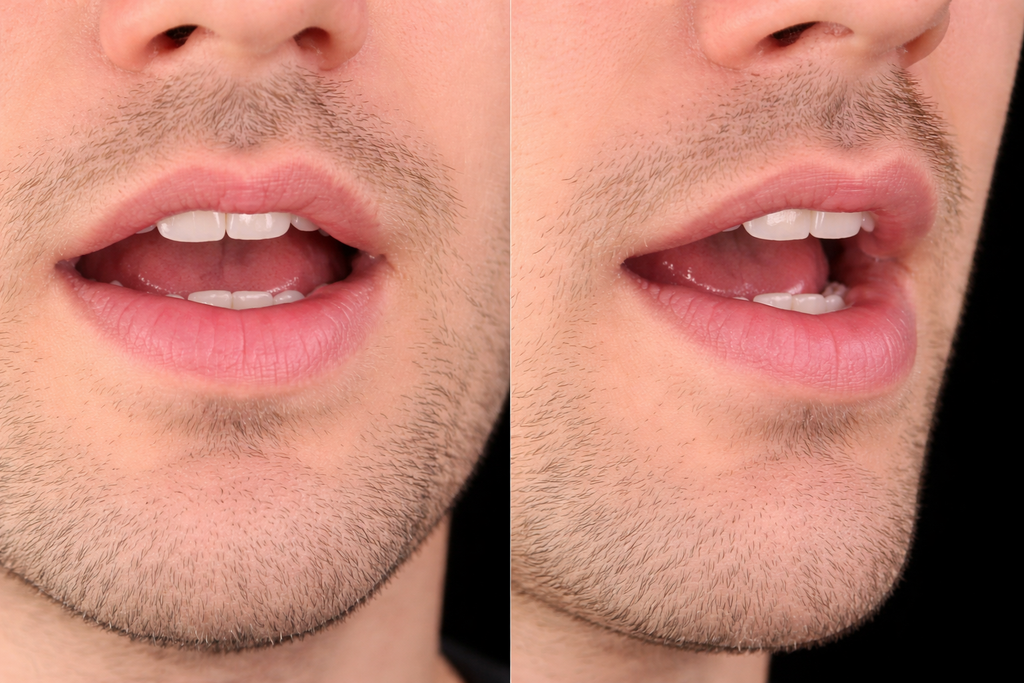
Americans pronounce gap as GAP (/gæp/). You'll hear it in sentences like "A massive gap in candidates was apparent".
Record yourself saying "gap" and play it back. The mic stays on your device — nothing's uploaded.
1 syllable, 3 sounds. Explore each sound's mouth shape and how it's made.
Raise the back of your tongue to touch the soft palate. Add vocal cord vibration, then release.
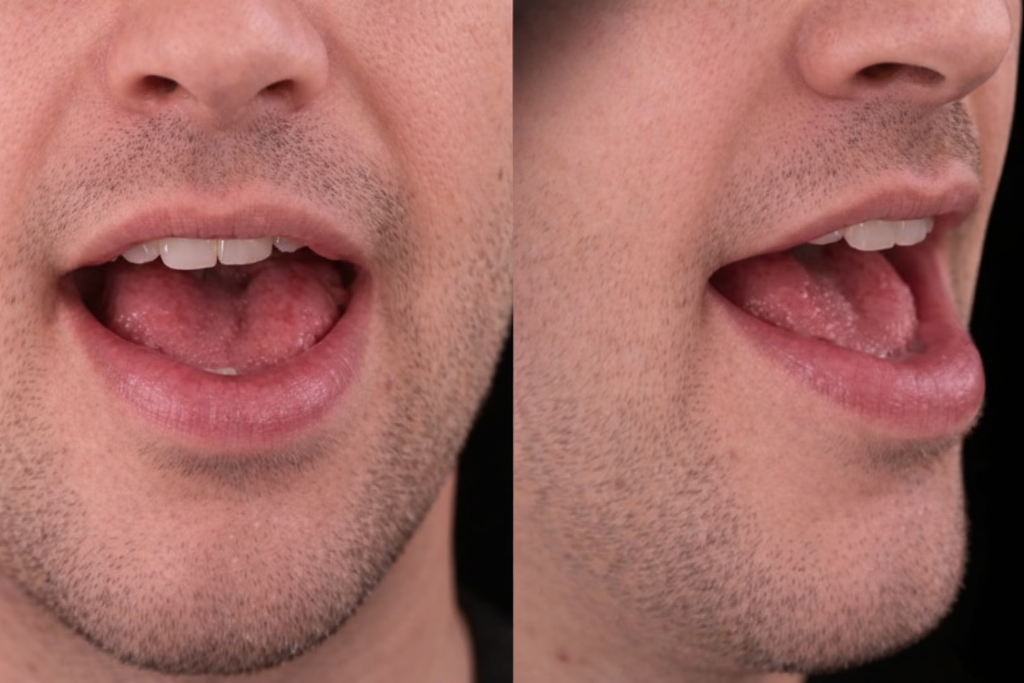
Drop the jaw noticeably. Keep the body of the tongue low and forward, and don't let the back of the tongue raise toward the soft palate. Pull the lip corners back slightly, almost a starting smile.
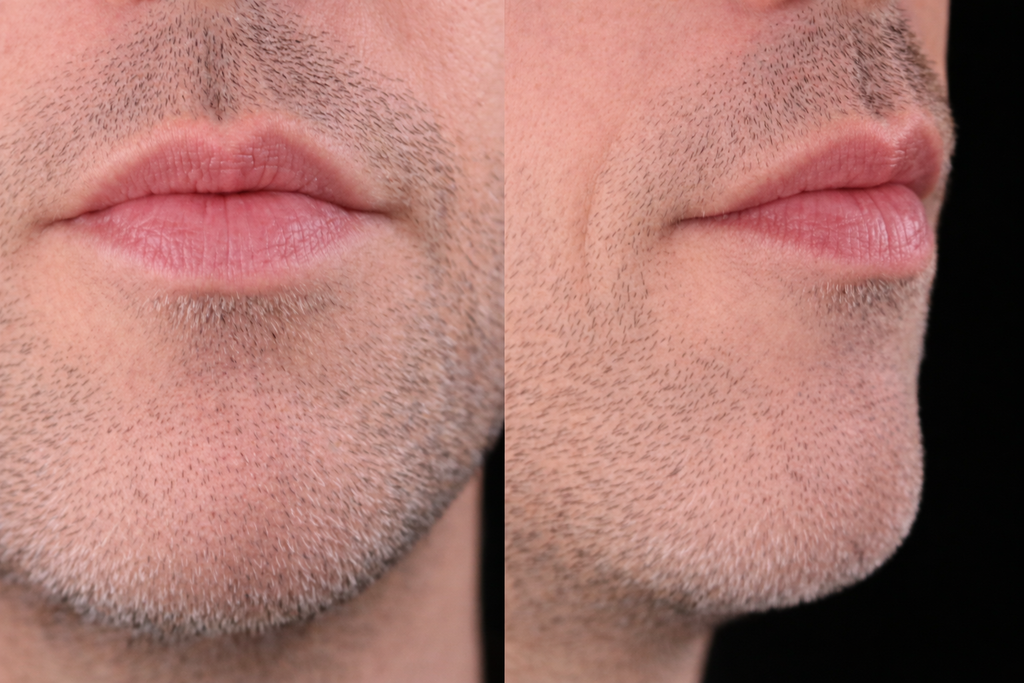
Press your lips together to stop the air, then release. No vocal cord vibration.

SayWaader is the AI pronunciation coach for American English. Practice 5 minutes a day. Get a 5-axes accent assessment. Sound like you live here.