h/h/
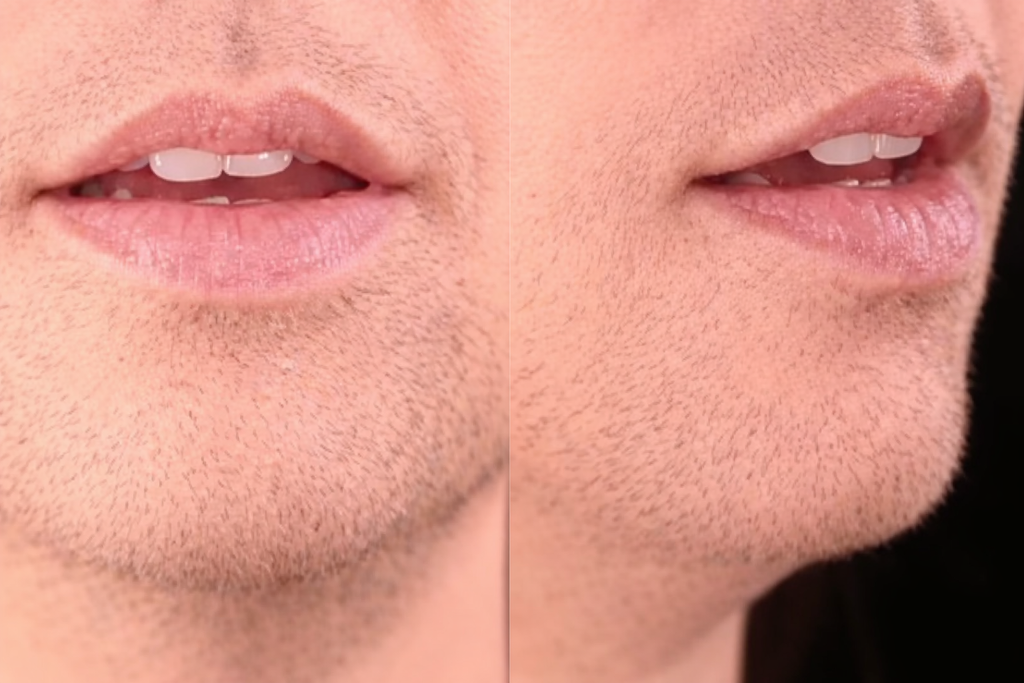
Push a stream of air from your throat through your open mouth. No tongue or lip contact.
Americans pronounce his as hihz (/hɪz/). The "h" in "his" is dropped in connected speech — the preceding word's final consonant links directly to the remaining vowel — most natural in casual, rapid speech; in careful or formal speech, the H is typically kept. This is called the Silent H (in him, her, has), what happens when a function word stops trying to be heard. It comes out as hihz. You'll hear it in sentences like "Look at his foot" or "His eyes are closed" — more examples below.
Record yourself saying "his" and play it back. The mic stays on your device — nothing's uploaded.
1 syllable, 3 sounds. Explore each sound's mouth shape and how it's made.
Push a stream of air from your throat through your open mouth. No tongue or lip contact.
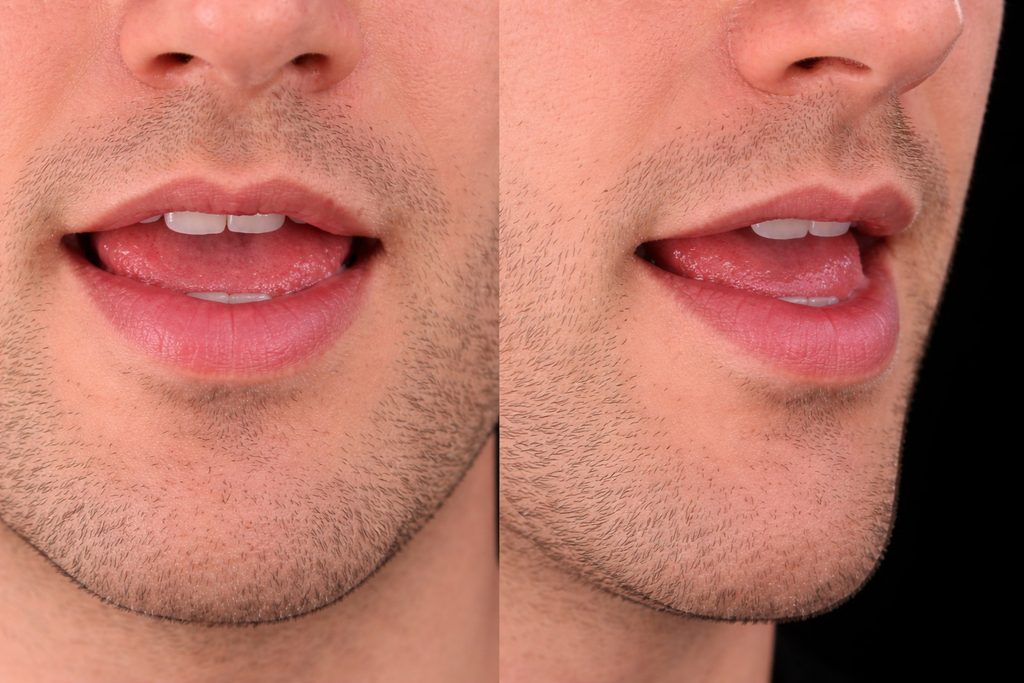
Drop your jaw slightly with relaxed lips. Touch the tongue tip behind the bottom front teeth and arch the top-front toward the roof.
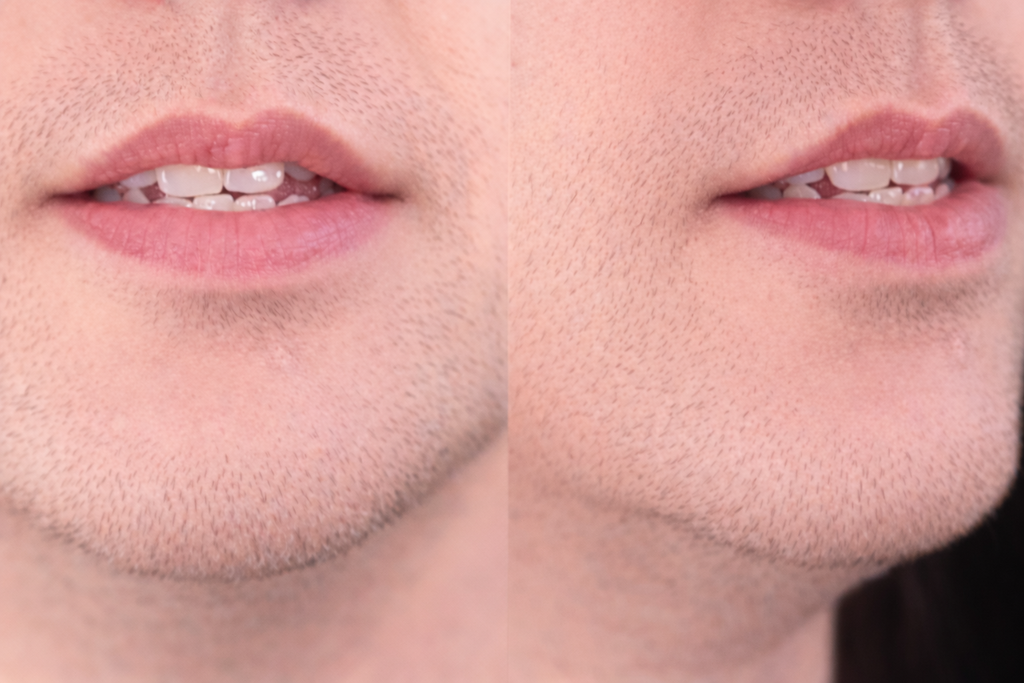
Same position as S, but add vocal cord vibration. Feel the buzz.
Click any sentence to see the full breakdown — every link, every reduction, every flap-T.

SayWaader is the AI pronunciation coach for American English. Practice 5 minutes a day. Get a 5-axes accent assessment. Sound like you live here.