How to pronounce lack in American English
LAK
Start here
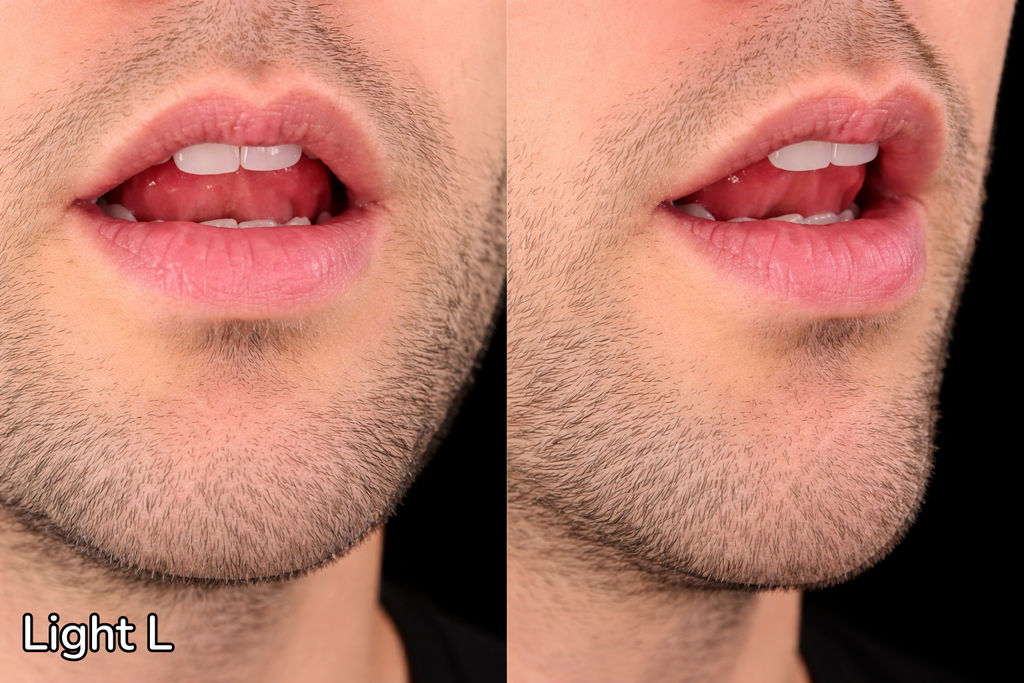
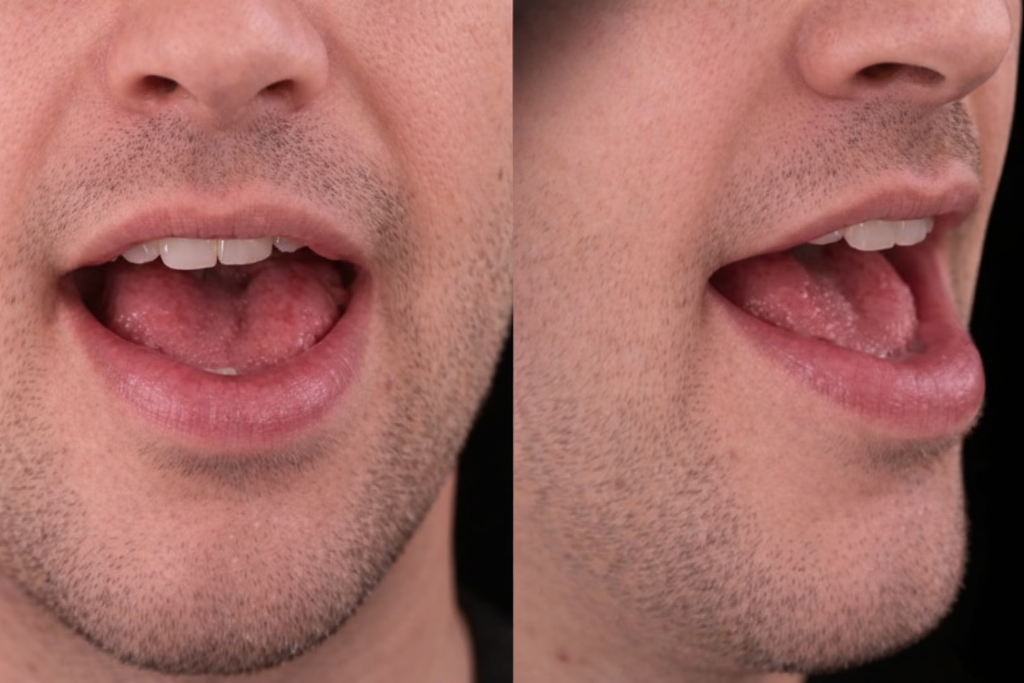
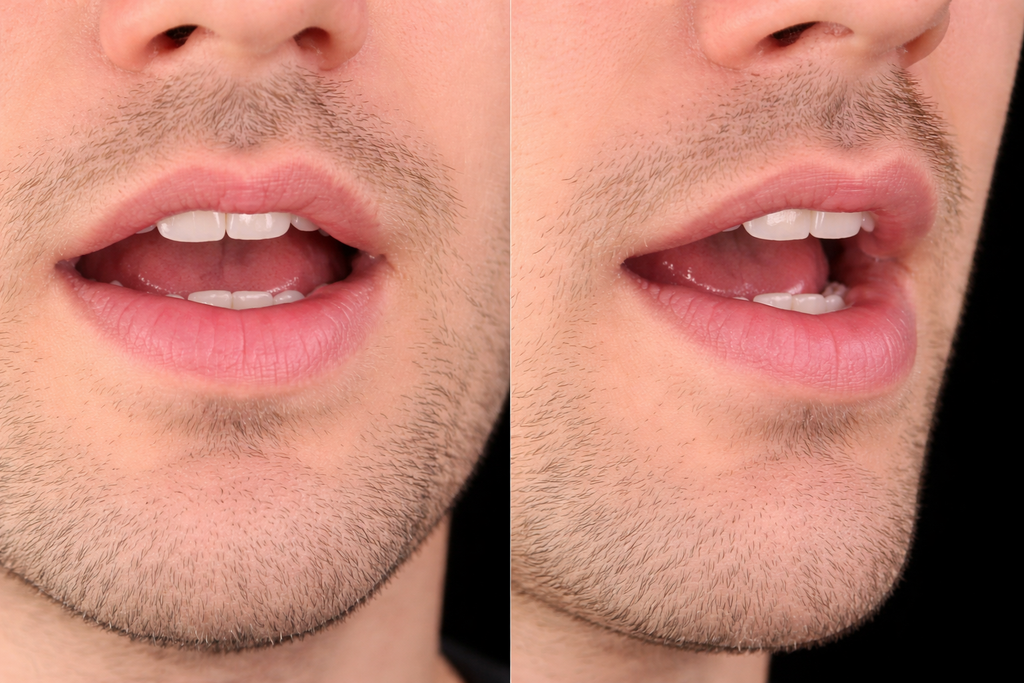
Americans pronounce lack as LAK (/læk/).
Now you try.
Record yourself saying "lack" and play it back. The mic stays on your device — nothing's uploaded.
Why it sounds different
Why "lack" sounds like LAK.
The "" at the end of "" flows directly into the vowel starting "" — the consonant migrates to the next word with no pause between. This is called the Consonant-to-Vowel Linking, a tiny act of laziness that makes the rhythm feel right. It comes out as LAK.
In real conversation
Hear "lack" in the wild.
Click any sentence to see the full breakdown — every link, every reduction, every flap-T.
"He criticized the film for its slow pacing and lack of character development."
hee KRIH·duh·sahyzd dhuh FIHLM fer ihts SLOH PAY·suhng and LAK uhv KEH·ruhk·ter duh·VEH·luhp·muhnt
"He was acquitted of the crime due to lack of evidence."
hee wuhz uh·KWIH·duhd uhv dhuh KRAHYM DOO tuh LAK uhv EH·vuh·duhns
Questions
Questions people ask about this.
Is the American pronunciation of "lack" different from British English?
American English uses different vowel shapes, a relaxed retroflex R, and connected-speech tricks like flap-T and glottal-stop T that British Received Pronunciation generally avoids. The respell "LAK" reflects the casual American form; British dictionaries typically print a citation form with crisper consonants and different vowel choices.