How to pronounce lucky in American English
LUH·kee
Start here
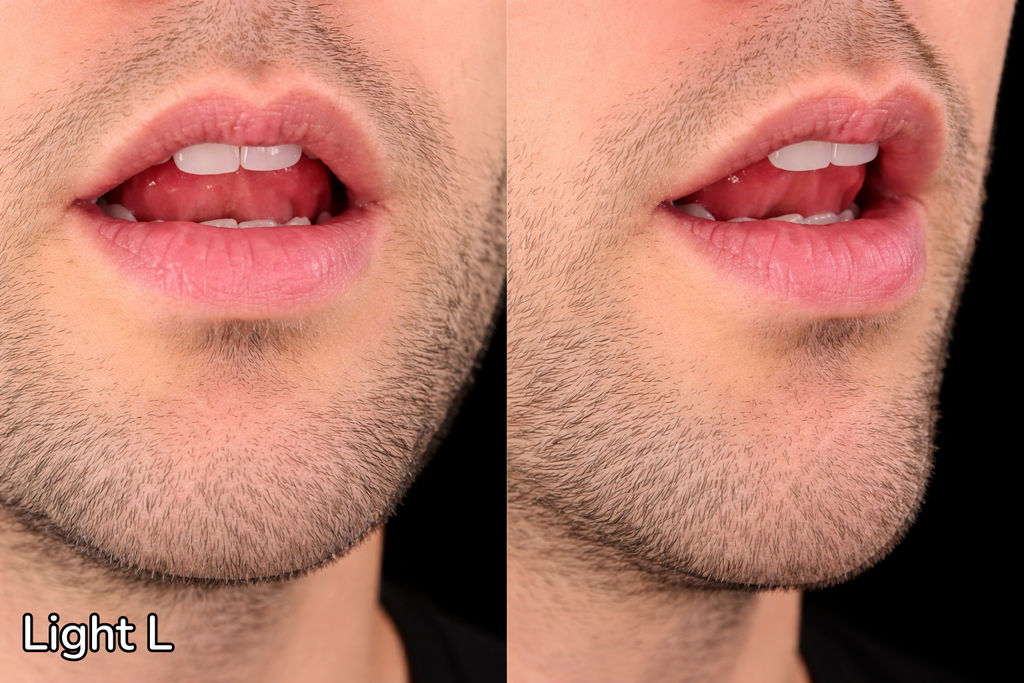
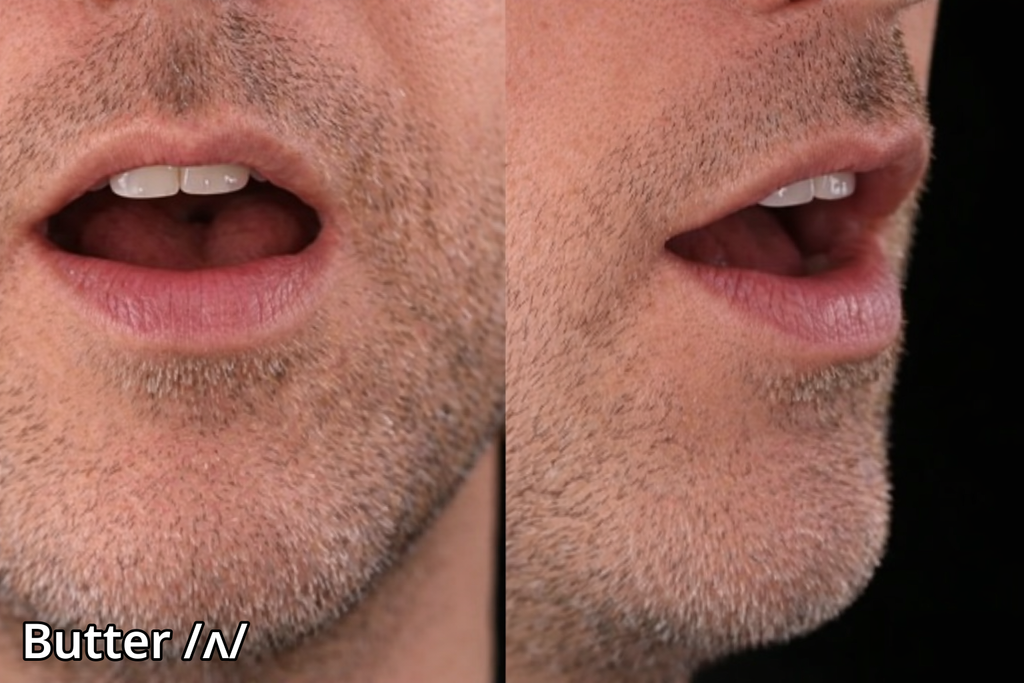
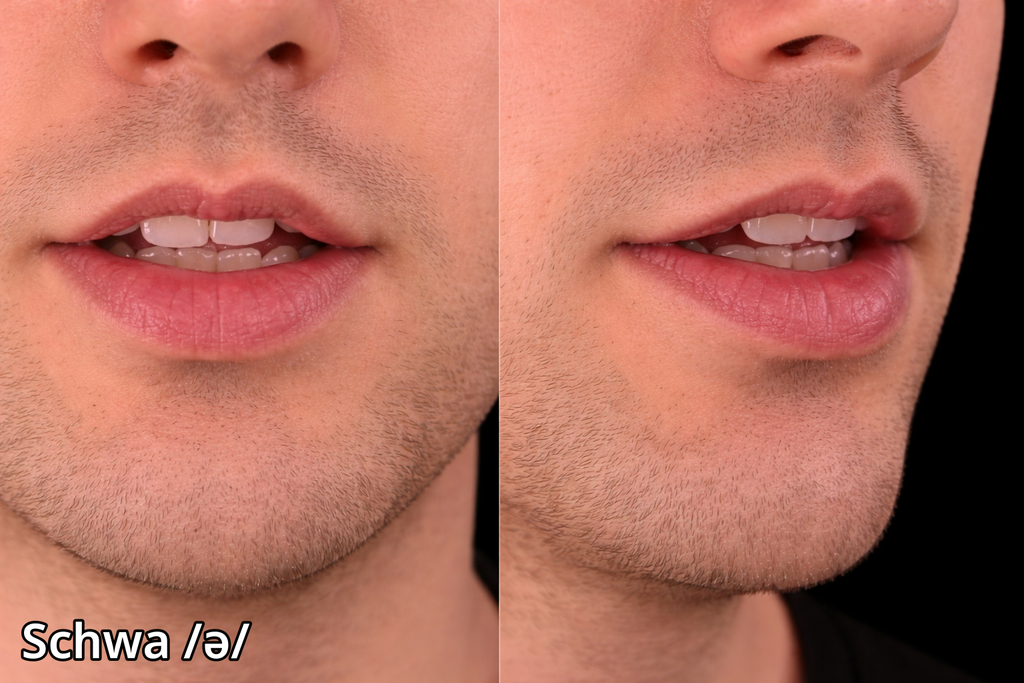
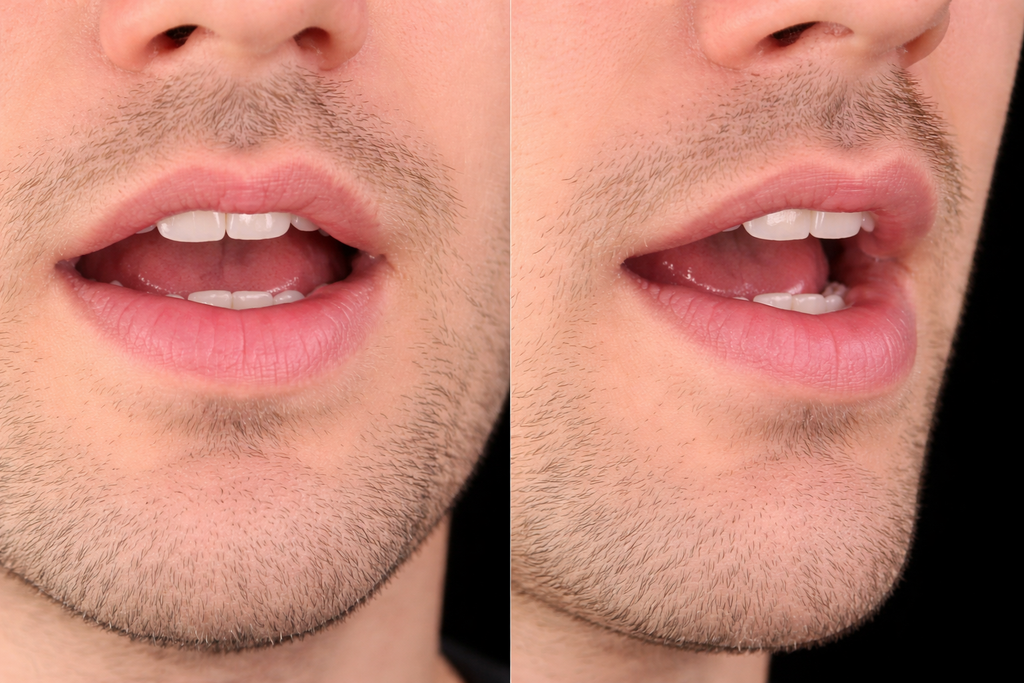
Americans pronounce lucky as LUH-kee (/ˈlʌki/). Stress falls on the first syllable — keep everything else short and quick.
Now you try.
Record yourself saying "lucky" and play it back. The mic stays on your device — nothing's uploaded.
In real conversation
Hear "lucky" in the wild.
Click any sentence to see the full breakdown — every link, every reduction, every flap-T.
Watch out
Common pronunciation mistakes in American English.
The textbook way isn't wrong — it's just not how anyone actually says it.
01
Stressing the wrong syllable.
Stress falls on the first syllable, not the others. Stretch LUH — keep everything else short and quick.
luh·KEE→LUH·kee
Questions
Questions people ask about this.
How is "lucky" stressed in American English?
Stress falls on the first syllable — say "LUH" with a longer, fuller vowel and keep every other syllable short and quick. The respell "LUH-kee" marks the stressed syllable in capitals so the rhythm is easy to read at a glance.
Is the American pronunciation of "lucky" different from British English?
American English uses different vowel shapes, a relaxed retroflex R, and connected-speech tricks like flap-T and glottal-stop T that British Received Pronunciation generally avoids. The respell "LUH-kee" reflects the casual American form; British dictionaries typically print a citation form with crisper consonants and different vowel choices.