How to pronounce said in American English

IPA /sɛd/ Syllables 1 · sehd
sehd
Start here

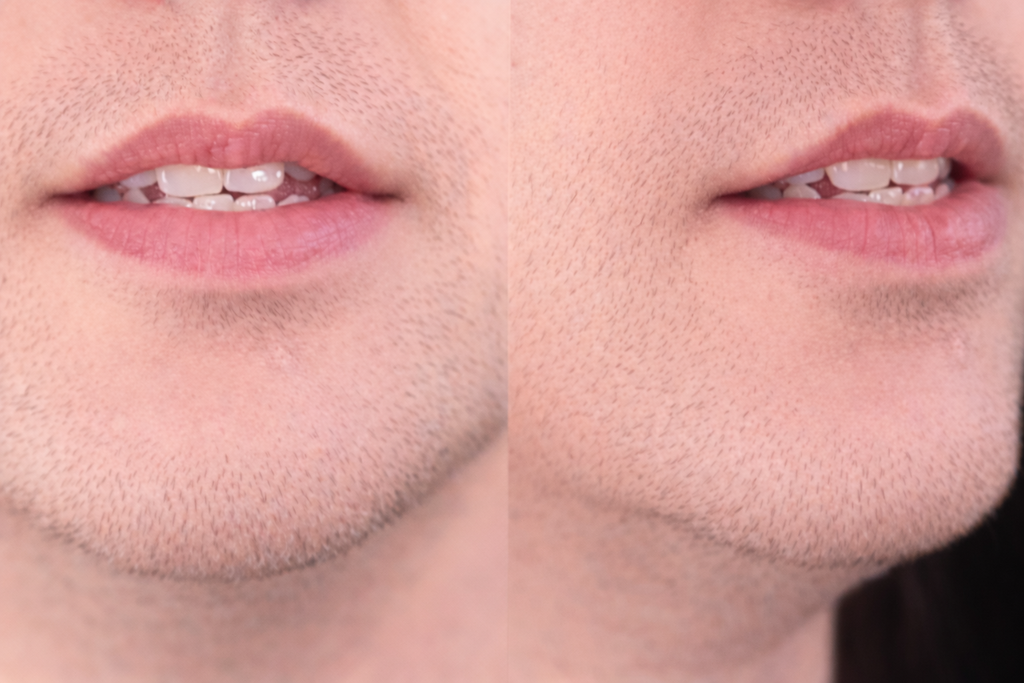
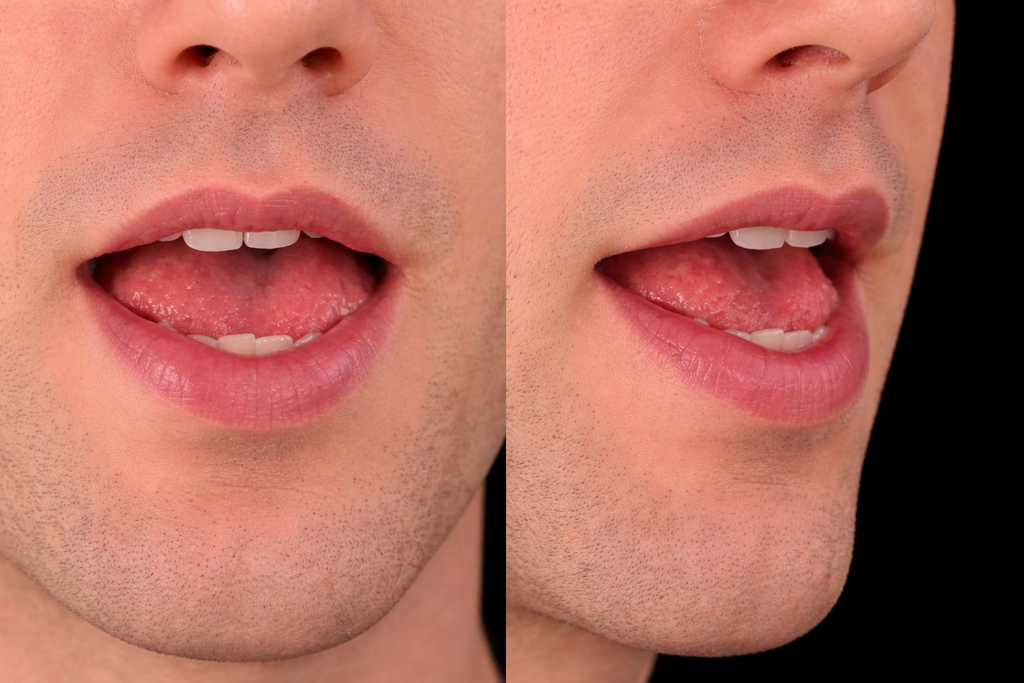
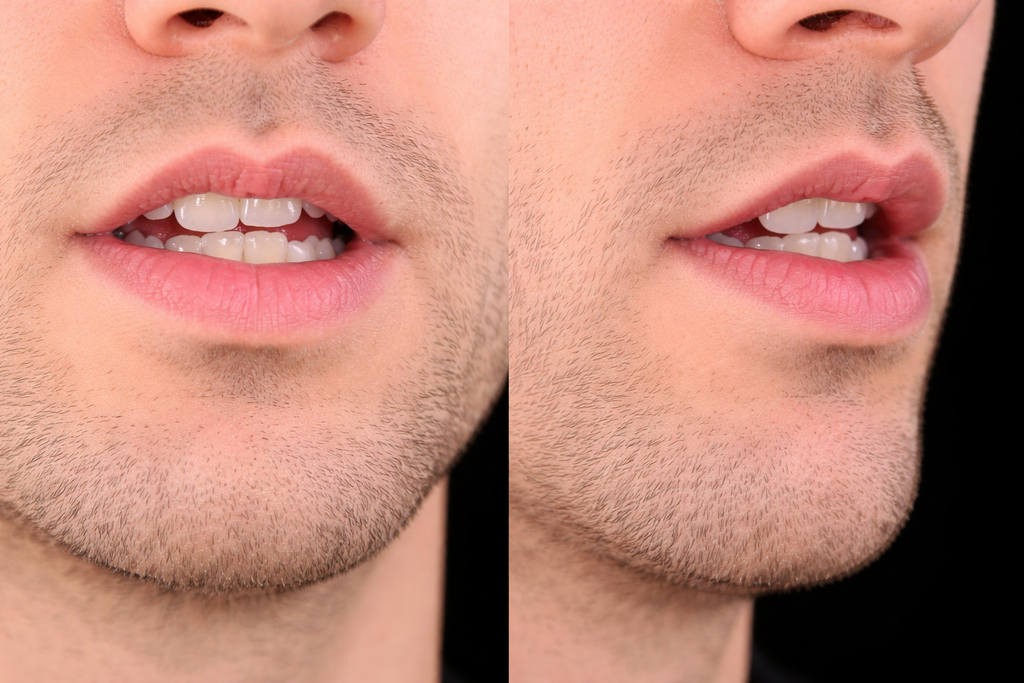
Americans pronounce said as sehd (/sɛd/).

Now you try.

Record yourself saying "said" and play it back. The mic stays on your device — nothing's uploaded.

Ready when you are
Tap the mic to start
Preview your accent profile

Get your accent profile and 5-axes assessment.

Sounds
75%
Clarity
68%
Stress
78%
Intonation
65%
Fluency
62%

Overall assessment

Our AI coach listens to your recording and grades 5 dimensions of pronunciation — then tells you exactly what to fix next.

72% Noticeable accent

Common mistakes

Releasing the final consonant with a puff of air.

In "said", the "" is not released — the articulators get into position but hold without the burst of air. Air stops but there's no release burst — the articulators hold position.

Unlock the full report in the app
Why it sounds different

Why "said" sounds like sehd.

In "said", the "" is not released — the articulators get into position but hold without the burst of air. This is called the Unreleased Stops, the kind of sound shift that makes everyday speech feel effortless. It comes out as sehd.

In real conversation

Hear "said" in the wild.

Click any sentence to see the full breakdown — every link, every reduction, every flap-T.

"Better never than late, said the waiter."
BEH·der NEH·ver dhuhn LAYT sehd dhuh WAY·der
"He said he was feeling very sad yesterday."
hee sehd hee wuhz FEE·luhng VEH·ree SAD YEH·ster·day
"He said he would call you back later."
hee sehd hee wuud KAHL yoo BAK LAY·der
"I am inclined to agree with what you said about the issue."
ahy uhm ihn·KLAHYND tuh uh·GREE wihth wuht yuh sehd uh·BOWT dhee IH·shoo
"I can't tell if you said fifteen or fifty."
ahy KANT TEHL ihf yoo sehd fihf·TEEN er FIHF·tee
"She said she was feeling tired."
shee sehd shee wuhz FEE·luhng TAHY·erd
Watch out

Common pronunciation mistakes in American English.

The textbook way isn't wrong — it's just not how anyone actually says it.

01

Releasing the final consonant with a puff of air.

In "said", the "" is not released — the articulators get into position but hold without the burst of air. Air stops but there's no release burst — the articulators hold position.

saidsehd
Questions

Questions people ask about this.

Is the American pronunciation of "said" different from British English?
American English uses different vowel shapes, a relaxed retroflex R, and connected-speech tricks like flap-T and glottal-stop T that British Received Pronunciation generally avoids. The respell "sehd" reflects the casual American form; British dictionaries typically print a citation form with crisper consonants and different vowel choices.

Stop reading about "said". Start saying it.

SayWaader is the AI pronunciation coach for American English. Practice 5 minutes a day. Get a 5-axes accent assessment. Sound like you live here.