How to pronounce worked in American English

IPA /wɜrkt/ Syllables 1 · wurkt Stress 1st syllable
WURKT
Start here

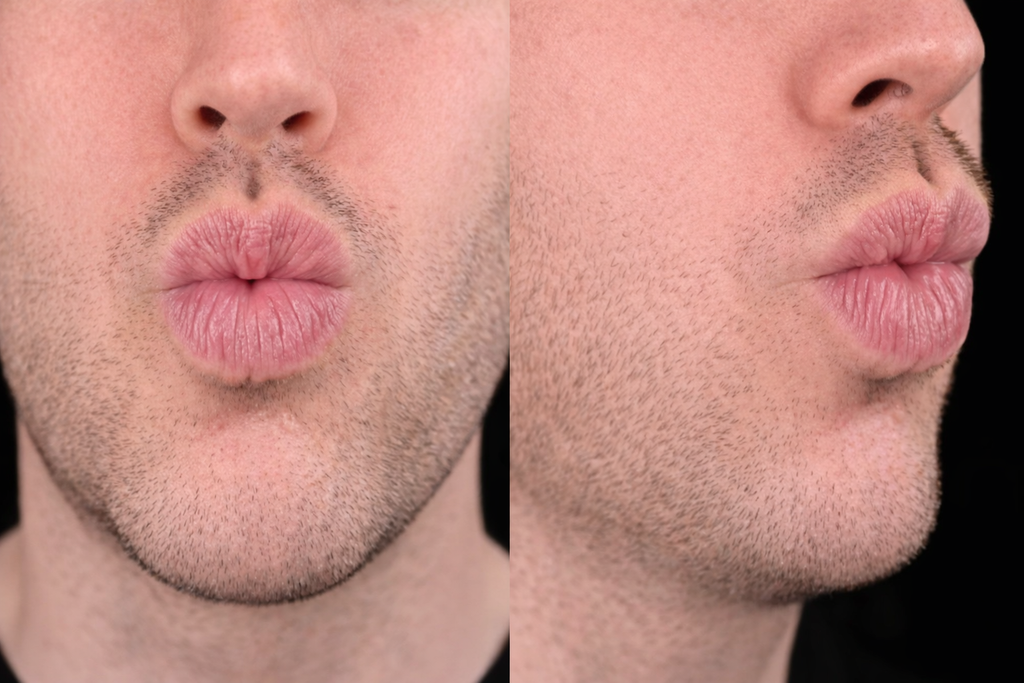
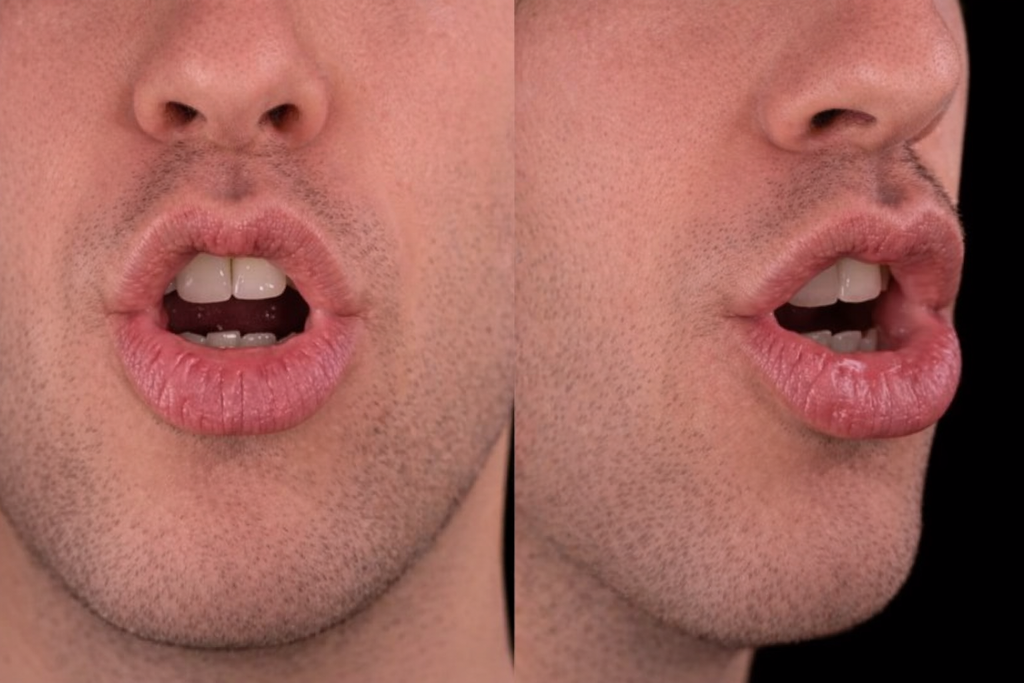
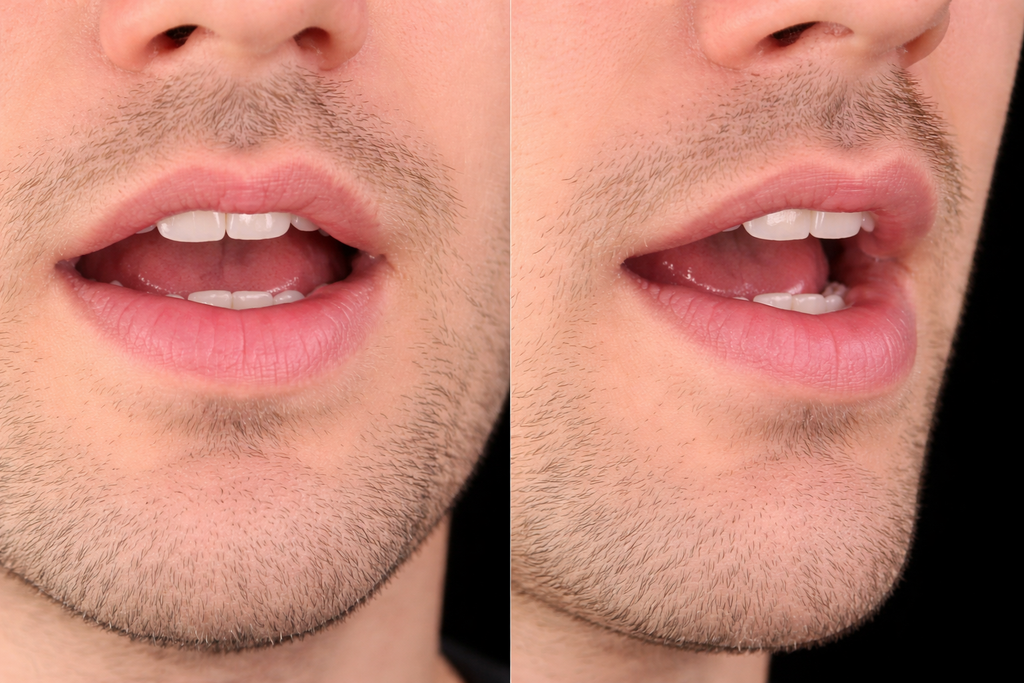
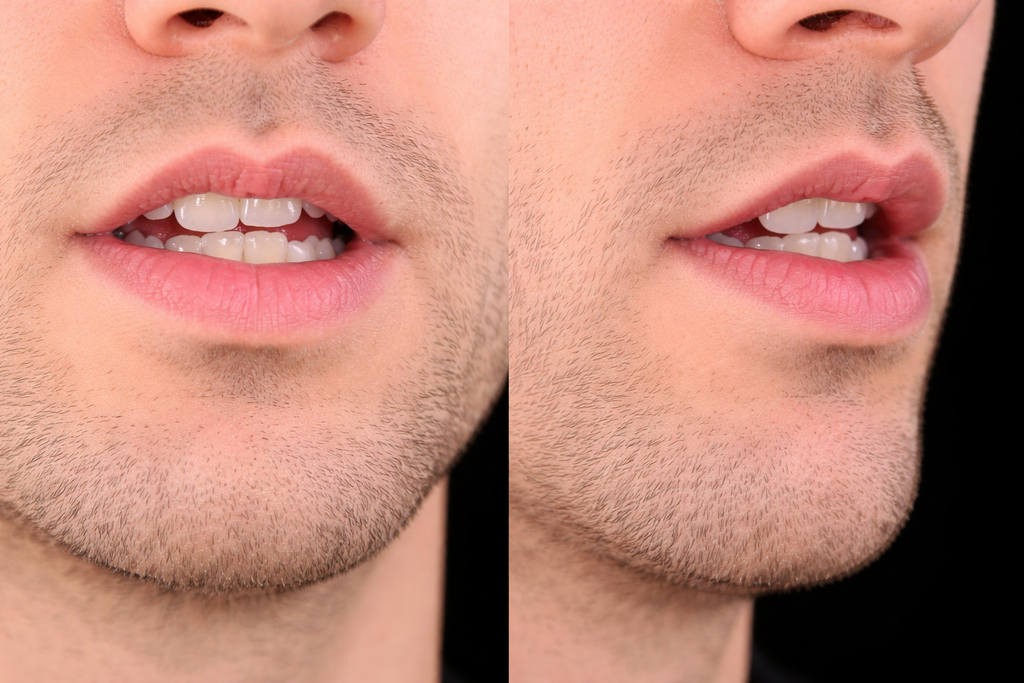
Americans pronounce worked as WURKT (/wɜrkt/). The R is one continuous sound with the vowel — the tongue curls back rather than rolling.

Now you try.

Record yourself saying "worked" and play it back. The mic stays on your device — nothing's uploaded.

Ready when you are
Tap the mic to start
Preview your accent profile

Get your accent profile and 5-axes assessment.

Sounds
75%
Clarity
68%
Stress
78%
Intonation
65%
Fluency
62%

Overall assessment

Our AI coach listens to your recording and grades 5 dimensions of pronunciation — then tells you exactly what to fix next.

72% Noticeable accent

Common mistakes

Releasing the final consonant with a puff of air.

In "worked", the "" is not released — the articulators get into position but hold without the burst of air. Air stops but there's no release burst — the articulators hold position.

Pronouncing the "R" too clearly.

Americans use a relaxed retroflex R — the tongue curls back rather than rolling. The R is one continuous sound with the vowel before it, not two separate sounds.

Unlock the full report in the app
Why it sounds different

Why "worked" sounds like WURKT.

In "worked", the "" is not released — the articulators get into position but hold without the burst of air. This is called the Unreleased Stops, a hallmark of natural-sounding American speech. It comes out as WURKT.

In real conversation

Hear "worked" in the wild.

Click any sentence to see the full breakdown — every link, every reduction, every flap-T.

"He worked all night so he could finish the project."
hee WURKT AHL NAHYT SOH hee kuud FIH·nuhsh dhuh PRAH·jehkt
"I felt overwhelmed at first, but now I am relieved everything worked out."
ahy FEHLT oh·ver·WEHLMD uht FURST buht NOW ahy uhm ruh·LEEVD EHV·ree·thuhng WURKT OWT
"The entire team worked for thirty hours straight."
dhee uhn·TAHY·er TEEM WURKT fer THUR·dee OW·erz STRAYT
"The restoration team worked carefully to preserve the ancient fresco."
dhuh reh·stuh·RAY·shuhn TEEM WURKT KAIR·fuh·lee tuh pruh·ZURV dhee AYN·shuhnt FREH·skoh
"The soccer team worked together to score the winning goal."
dhuh SAH·ker TEEM WURKT tuh·GEH·dher tuh SKOR dhuh WIH·nuhng GOHL
"The team worked together seamlessly to deliver the product on time."
dhuh TEEM WURKT tuh·GEH·dher SEEM·luh·slee tuh duh·LIH·ver dhuh PRAH·duhkt ahn TAHYM
Watch out

Common pronunciation mistakes in American English.

The textbook way isn't wrong — it's just not how anyone actually says it.

01

Releasing the final consonant with a puff of air.

In "worked", the "" is not released — the articulators get into position but hold without the burst of air. Air stops but there's no release burst — the articulators hold position.

workedWURKT
02

Pronouncing the "R" too clearly.

Americans use a relaxed retroflex R — the tongue curls back rather than rolling. The R is one continuous sound with the vowel before it, not two separate sounds.

… (no R)r (curl the tongue)
Questions

Questions people ask about this.

How do I pronounce the R in "worked"?
Americans use a relaxed retroflex R: the tongue curls back rather than rolling, and the R is one continuous sound with the vowel before it — not two separate sounds. Don't try to pronounce a separate vowel followed by a separate R. Treat them as a single shape.
Is the American pronunciation of "worked" different from British English?
American English uses different vowel shapes, a relaxed retroflex R, and connected-speech tricks like flap-T and glottal-stop T that British Received Pronunciation generally avoids. The respell "WURKT" reflects the casual American form; British dictionaries typically print a citation form with crisper consonants and different vowel choices.

Stop reading about "worked". Start saying it.

SayWaader is the AI pronunciation coach for American English. Practice 5 minutes a day. Get a 5-axes accent assessment. Sound like you live here.