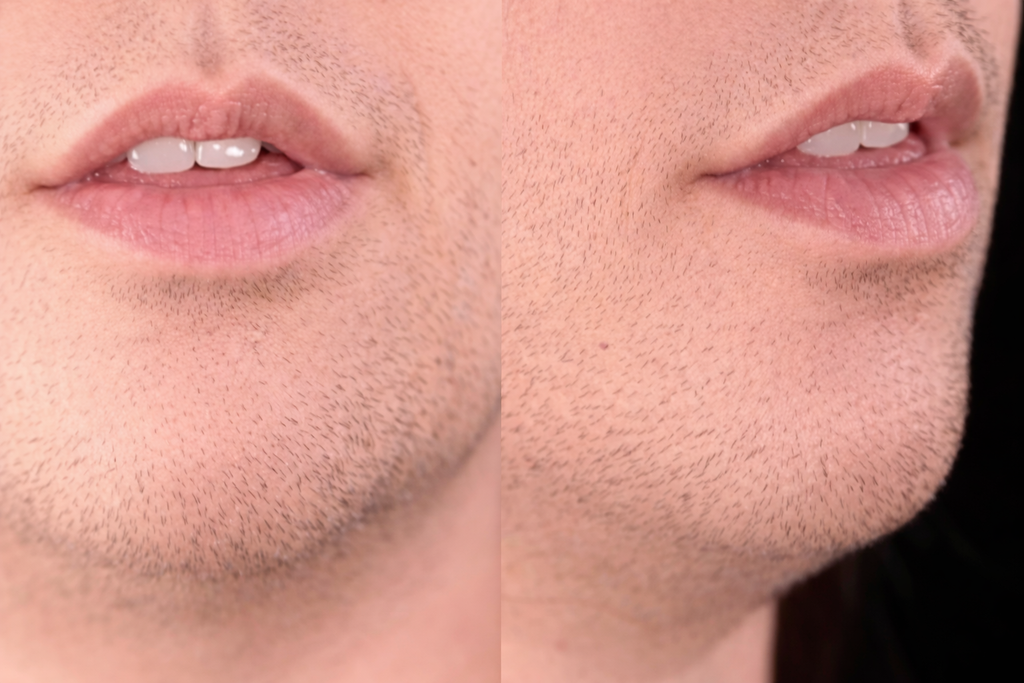
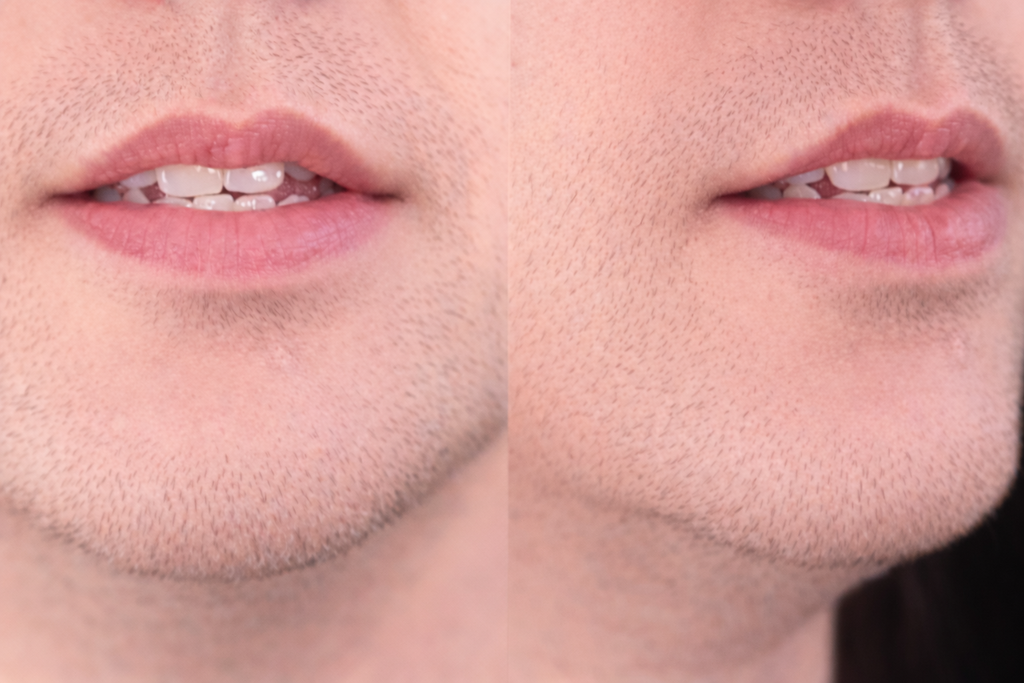
What separates think /θ/ from sink /s/ is exactly where you place your tongue tip. For /θ/, the tongue tip rests lightly between your upper and lower front teeth while air flows gently over it. For /s/, the tongue tip pulls back behind the teeth, pointing at the bumpy ridge on the roof of your mouth to create a sharp, hissing stream of air. Speakers of French, German, and Japanese often substitute /s/ for /θ/, turning think into sink.
How the two sounds differ.
3 small mouth adjustments. Get any one of them wrong and the sound slides into its neighbor.
Now you try.
Record yourself saying "Think" and "Sink" a few times. Listen back — your own ear is the best feedback for nailing the contrast.
Words that change with one sound.
Every pair below differs by exactly one sound: flip /θ/ to /s/ and the meaning flips with it. Tap any word for its full breakdown.
If your ear blurs them, here's why.
The soft TH /θ/ is a rare sound across the world's languages. If your native language doesn't have it, which is true for French, German, Japanese, and many dialects of Spanish, your brain hunts for the closest acoustic match it already knows. For many speakers, that match is /s/. The result: think becomes sink and mouth becomes mouse. /s/ is a high-pressure, hissing sound, while /θ/ is a low-pressure, gentle one. To fix this, you physically need to bring your tongue further forward than feels natural, letting it touch the edges of your front teeth to break the sharp hiss of the /s/.
Train the muscle, then the ear.
3 short drills. Do them out loud: feel the change inside your mouth before you try to hear it.
Use a mirror. Say think and physically watch your mouth. You should see the very tip of your tongue peeking between your teeth. If you can't see your tongue, you're probably making an /s/.
The finger test: Hold your index finger vertically against your lips (like a "shh" gesture). Say math. Your tongue tip should gently tap your finger on the TH. Now say mass. Your tongue should stay safely behind your teeth.
Read minimal pairs out loud, focusing on the air pressure: thick / sick, thumb / sum, path / pass. The /s/ should sound sharp and loud, while the /θ/ should sound softer and breathier.
Common questions about Think vs Sink.
Why do I sound like I'm saying "sink" when I try to say "think"?
Do Americans really stick their tongue out for the TH sound?
How can I stop my TH from sounding like an S or an F?

Master Think vs Sink with an AI coach.
SayWaader is the AI pronunciation coach for American English. Practice 5 minutes a day. Get a 5-axes accent assessment. Sound like you live here.