How to pronounce anything in American English

IPA /ˈɛniˌθəŋ/ Syllables 3 · eh·nee·thuhng Stress 1st syllable
EH·nee·thuhng
Start here

Americans pronounce anything as EH-nee-thuhng (/ˈɛniˌθəŋ/). Stress falls on the first syllable — keep everything else short and quick. You'll hear it in sentences like "Let me know if you need anything at all" or "Is there anything else I can help you with?" — more examples below.

Now you try.

Record yourself saying "anything" and play it back. The mic stays on your device — nothing's uploaded.

Ready when you are
Tap the mic to start
Preview your accent profile

Get your accent profile and 5-axes assessment.

Sounds
75%
Clarity
68%
Stress
78%
Intonation
65%
Fluency
62%

Overall assessment

Our AI coach listens to your recording and grades 5 dimensions of pronunciation — then tells you exactly what to fix next.

72% Noticeable accent

Common mistakes

Stressing the wrong syllable.

Stress falls on the first syllable, not the others. Stretch EH — keep everything else short and quick.

Pronouncing the unstressed syllable too fully.

Don't pronounce the second syllable too fully. The unstressed syllable reduces to a schwa — the lazy "uh" sound — in casual speech.

Unlock the full report in the app
Sound by sound

Every sound in "anything".

3 syllables, 6 sounds. Tap a syllable to jump to its row, then explore each sound's mouth shape and how it's made.

eh/ɛ/

Drop your jaw moderately. Touch the tongue tip behind the bottom front teeth and lift the mid-front part slightly toward the roof.
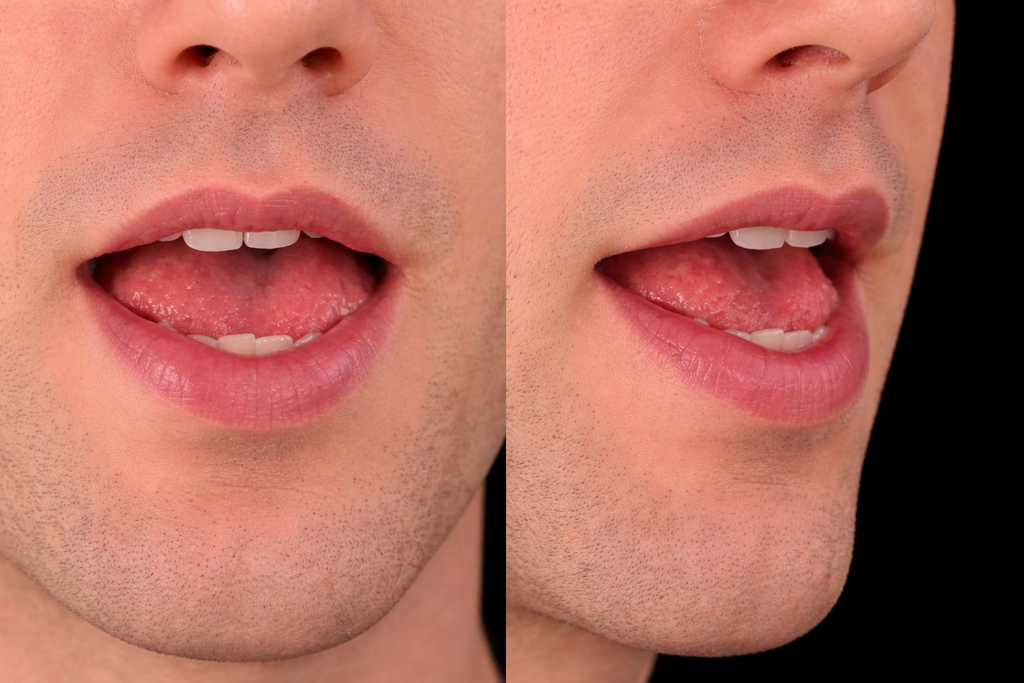
Mouth position for BED Vowel
n/n/

Touch the tip or front edge of your tongue to the roof of your mouth behind your teeth. Air flows through your nose.
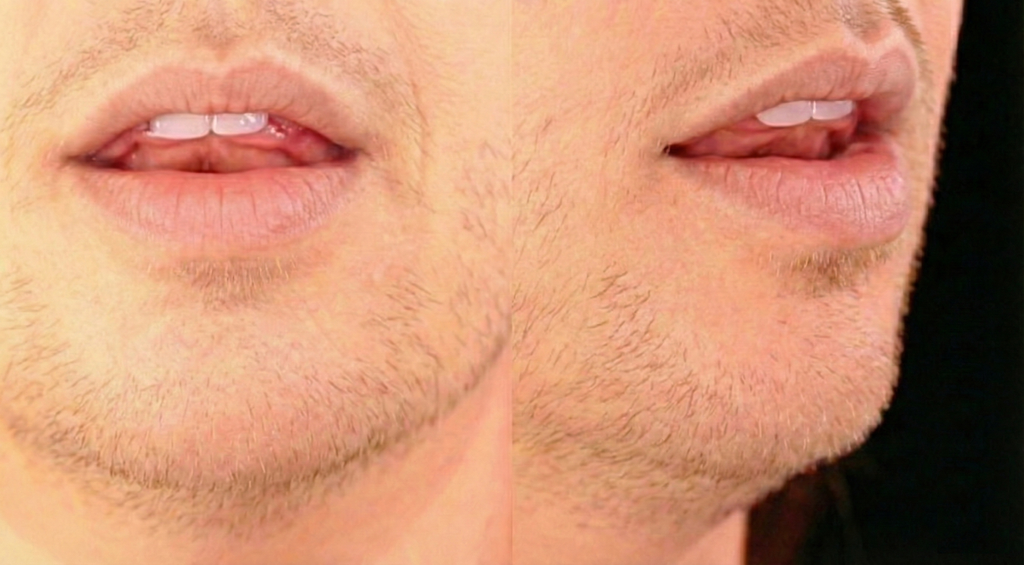
Mouth position for /n/ as in NET
ee/i/

Pull the corners of your lips back slightly. Arch the middle-front of your tongue high toward the roof of the mouth.
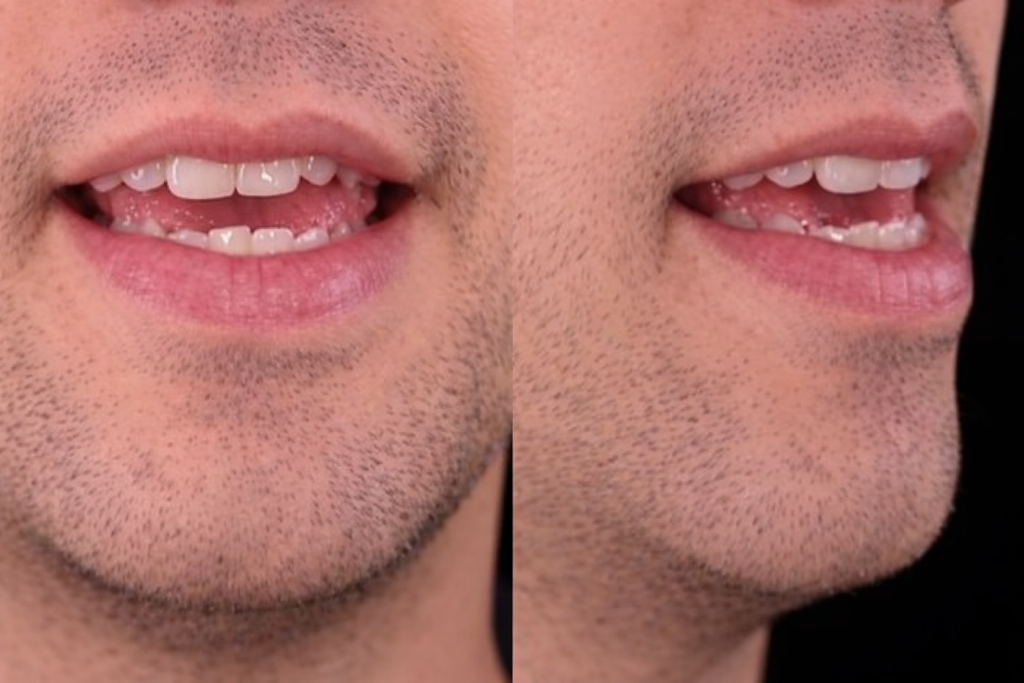
Mouth position for SEE Vowel
th/θ/

Place the very tip of your tongue slightly between your teeth. Blow air gently around it without voicing.
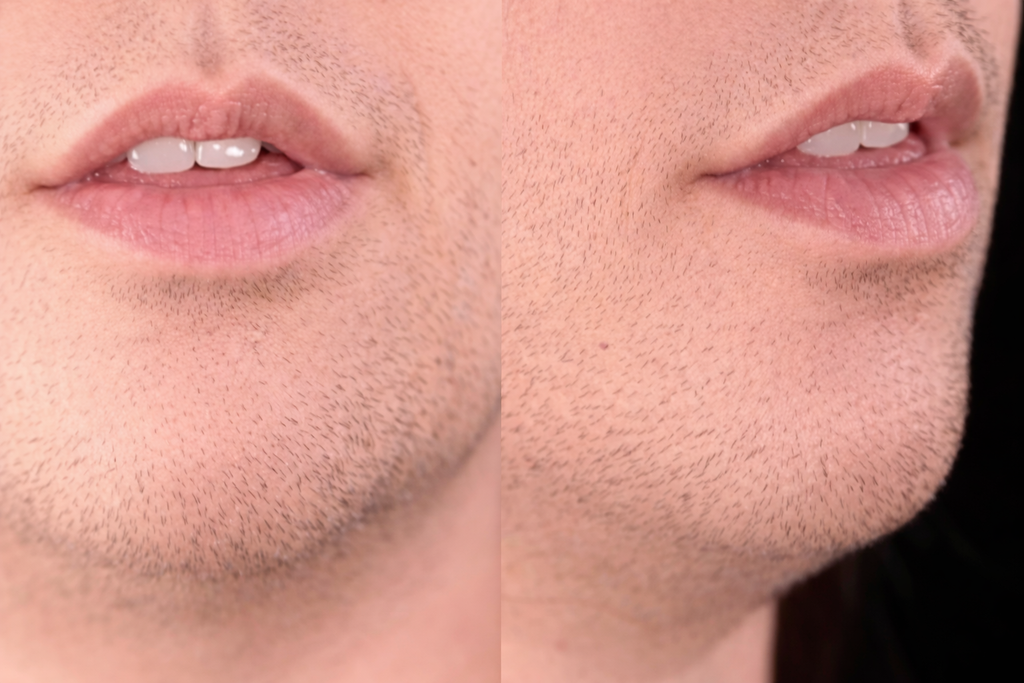
Mouth position for /θ/ as in THINK
uh/ʌ/

Relax your lips, jaw, and tongue completely. Drop your jaw slightly and keep the tongue neutral.
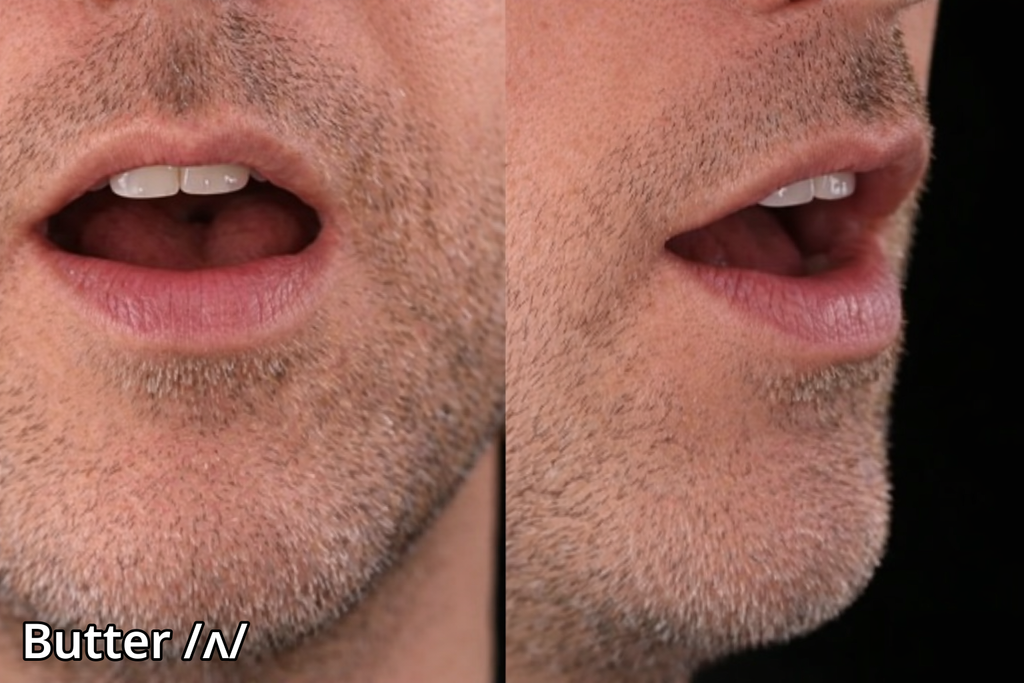
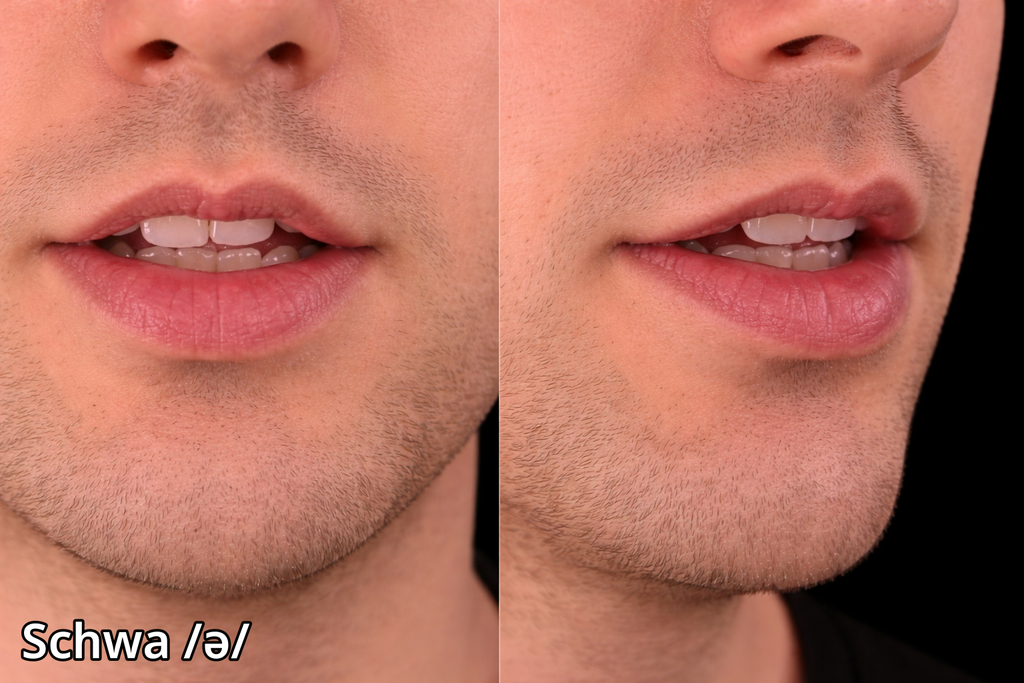
ng/ŋ/

Lift the back of your tongue to the soft palate. Lower your soft palate to let air flow through your nose.
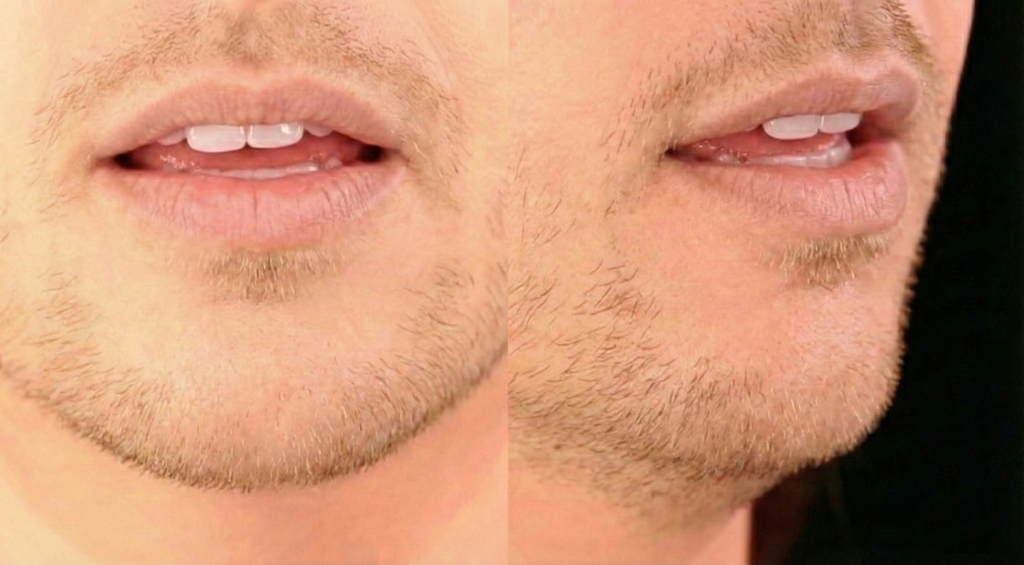
Mouth position for /ŋ/ as in SING
In real conversation

Hear "anything" in the wild.

Click any sentence to see the full breakdown — every link, every reduction, every flap-T.

"How was your weekend by the way? Did you do anything fun?"
HOW wuhz yer WEE·kehnd bahy dhuh WAY dihd yuh doo EH·nee·thuhng FUHN
"I always compare prices before putting anything in my cart."
ahy AHL·wayz kuhm·PAIR PRAHY·suhz buh·FOR PUU·duhng EH·nee·thuhng uhn mahy KART
"I cannot commit to anything until I know my work schedule."
ahy KA·naht kuh·MIHT tuh EH·nee·thuhng uhn·TIHL ahy NOH mahy WURK SKEH·jool
"Is there anything else I can help you with?"
ihz DHAIR EH·nee·thuhng EHLS ahy kuhn HEHLP yuh wihth
"Let me know if you need anything at all."
LEHT mee NOH ihf yoo NEED EH·nee·thuhng uht AHL
"We should review the contract carefully before signing anything."
wee shuud ruh·VYOO dhuh KAHN·trakt KAIR·fuh·lee buh·FOR SAHY·nuhng EH·nee·thuhng
Find another

Looking for a different word or sentence?

Search the entire library
/
Press / anywhere to focus the search box.
Watch out

Common pronunciation mistakes in American English.

The textbook way isn't wrong — it's just not how anyone actually says it.

01

Stressing the wrong syllable.

Stress falls on the first syllable, not the others. Stretch EH — keep everything else short and quick.

eh·NEE·THUHNGEH·nee·THUHNG
02

Pronouncing the unstressed syllable too fully.

Don't pronounce the second syllable too fully. The unstressed syllable reduces to a schwa — the lazy "uh" sound — in casual speech.

EH·nee·THUHNGEH·nee·THUHNG
Questions

Questions people ask about this.

How is "anything" stressed in American English?
Stress falls on the first syllable — say "EH" with a longer, fuller vowel and keep every other syllable short and quick. The respell "EH-nee-thuhng" marks the stressed syllable in capitals so the rhythm is easy to read at a glance.
Why does the third syllable in "anything" reduce to "uh"?
Unstressed syllables in American English collapse toward a schwa — a lazy, neutral "uh" sound. The full vowel is what textbooks teach, but in actual American speech every unstressed vowel reduces. The respell "EH-nee-thuhng" shows the reduced form so you can hear the casual rhythm directly.
Is the American pronunciation of "anything" different from British English?
American English uses different vowel shapes, a relaxed retroflex R, and connected-speech tricks like flap-T and glottal-stop T that British Received Pronunciation generally avoids. The respell "EH-nee-thuhng" reflects the casual American form; British dictionaries typically print a citation form with crisper consonants and different vowel choices.

Stop reading about "anything". Start saying it.

SayWaader is the AI pronunciation coach for American English. Practice 5 minutes a day. Get a 5-axes accent assessment. Sound like you live here.