s/s/
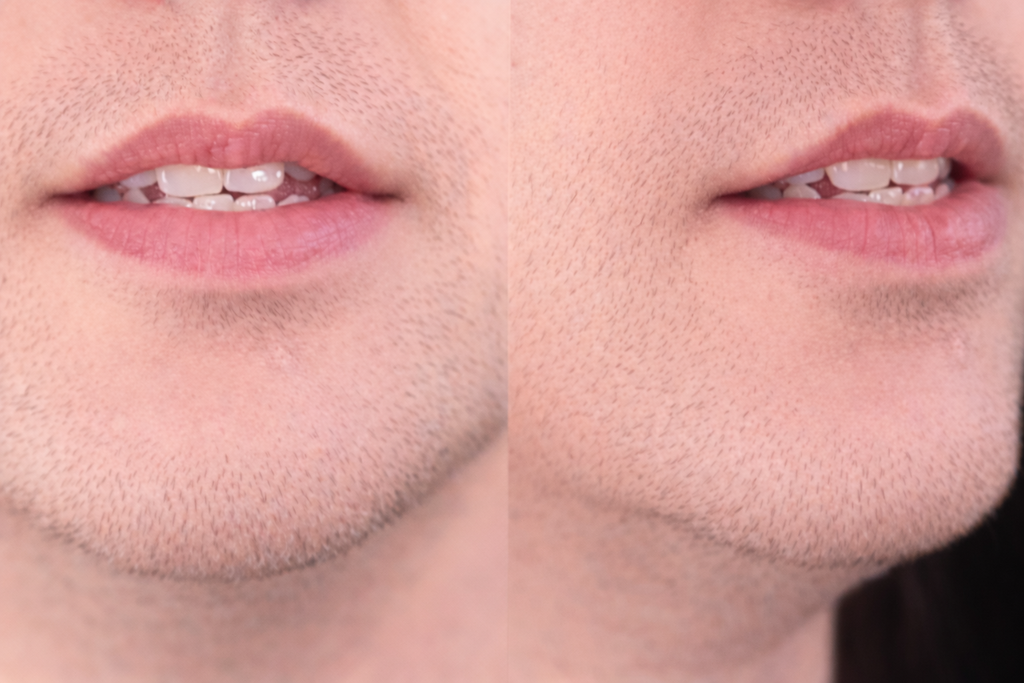
Place your tongue tip near the roof of your mouth behind your top teeth. Push air through the narrow gap. No voicing.
Americans pronounce cents as SEHNTS (/sɛnts/). In "cents", the "t" is squeezed between other consonants and drops out — the surrounding consonants flow together without it — most natural in flowing, casual speech; in careful or formal speech, the T may be lightly present. This is called the Silent T in Clusters, the kind of sound shift that makes everyday speech feel effortless. It comes out as SEHNTS. You'll hear it in sentences like "The bus fare increased by fifty cents starting this month".
Record yourself saying "cents" and play it back. The mic stays on your device — nothing's uploaded.
1 syllable, 5 sounds. Explore each sound's mouth shape and how it's made.
Place your tongue tip near the roof of your mouth behind your top teeth. Push air through the narrow gap. No voicing.
Drop your jaw moderately. Touch the tongue tip behind the bottom front teeth and lift the mid-front part slightly toward the roof.
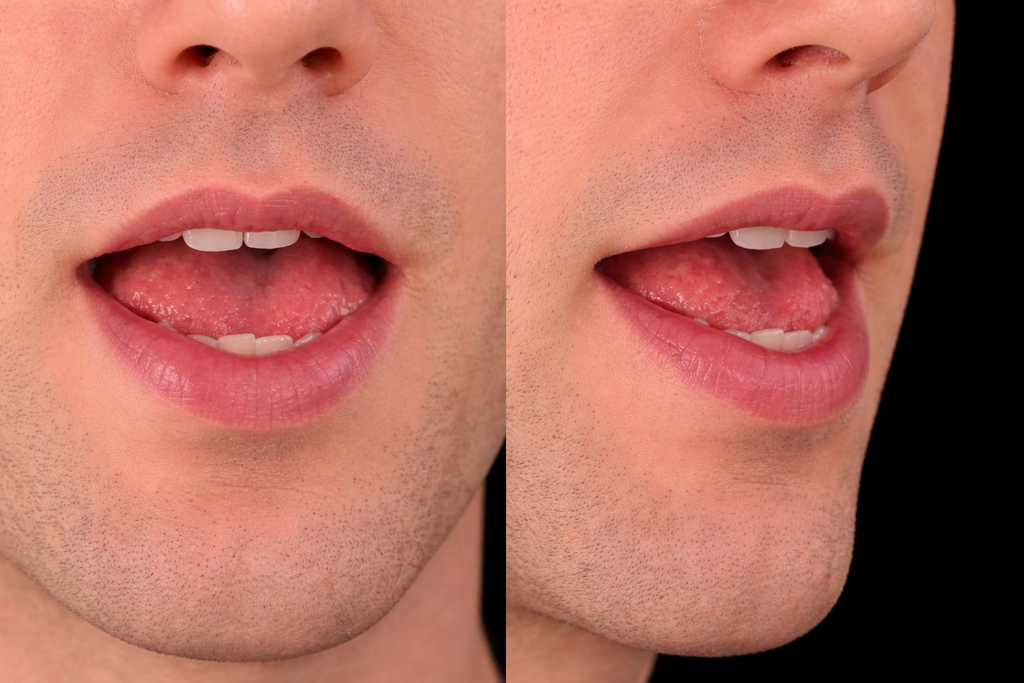
Touch the tip or front edge of your tongue to the roof of your mouth behind your teeth. Air flows through your nose.
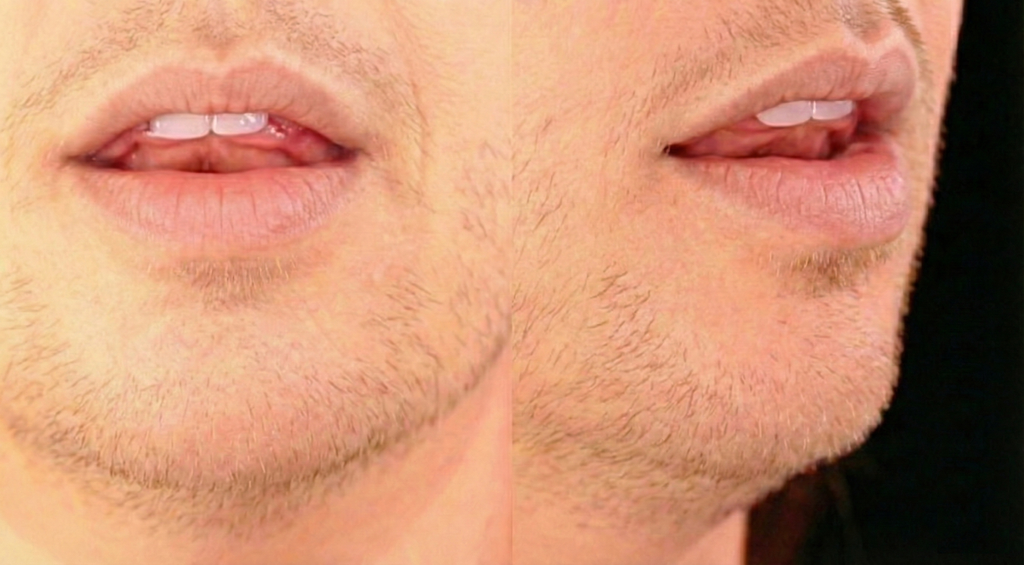
The T is skipped entirely. Your tongue doesn't make contact at the T position.
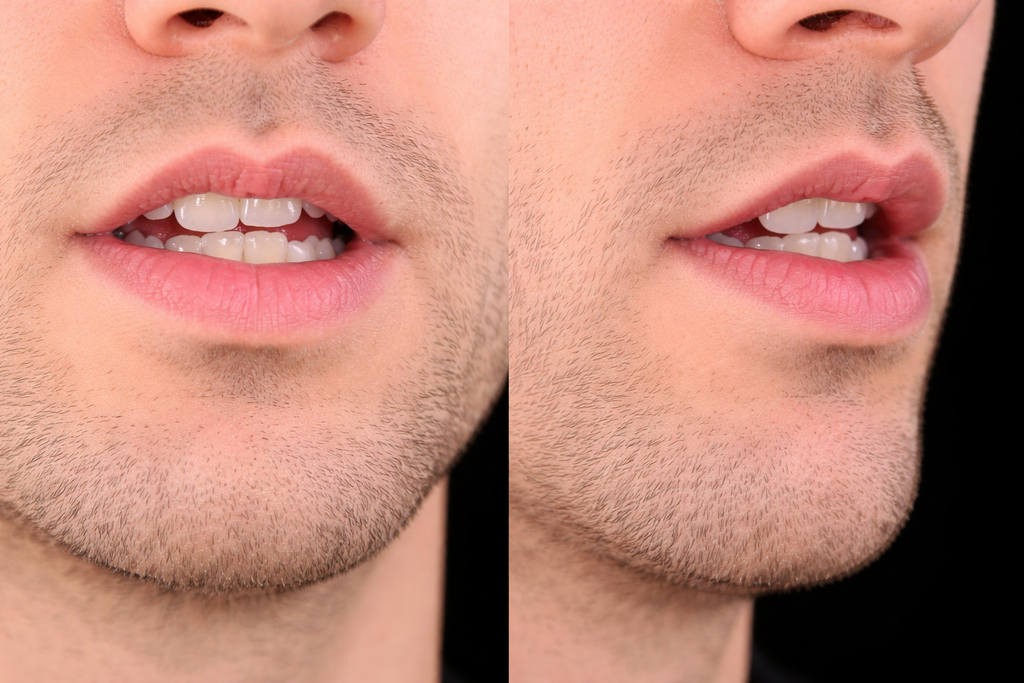
Place your tongue tip near the roof of your mouth behind your top teeth. Push air through the narrow gap. No voicing.
The textbook way isn't wrong — it's just not how anyone actually says it.
In "cents", the "t" is squeezed between other consonants and drops out — the surrounding consonants flow together without it — most natural in flowing, casual speech; in careful or formal speech, the T may be lightly present. /t/ is dropped entirely — the surrounding consonants flow together without the T.

SayWaader is the AI pronunciation coach for American English. Practice 5 minutes a day. Get a 5-axes accent assessment. Sound like you live here.