How to pronounce change in American English

IPA /tʃeɪndʒ/ Syllables 1 · chaynj Stress 1st syllable
CHAYNJ
Start here

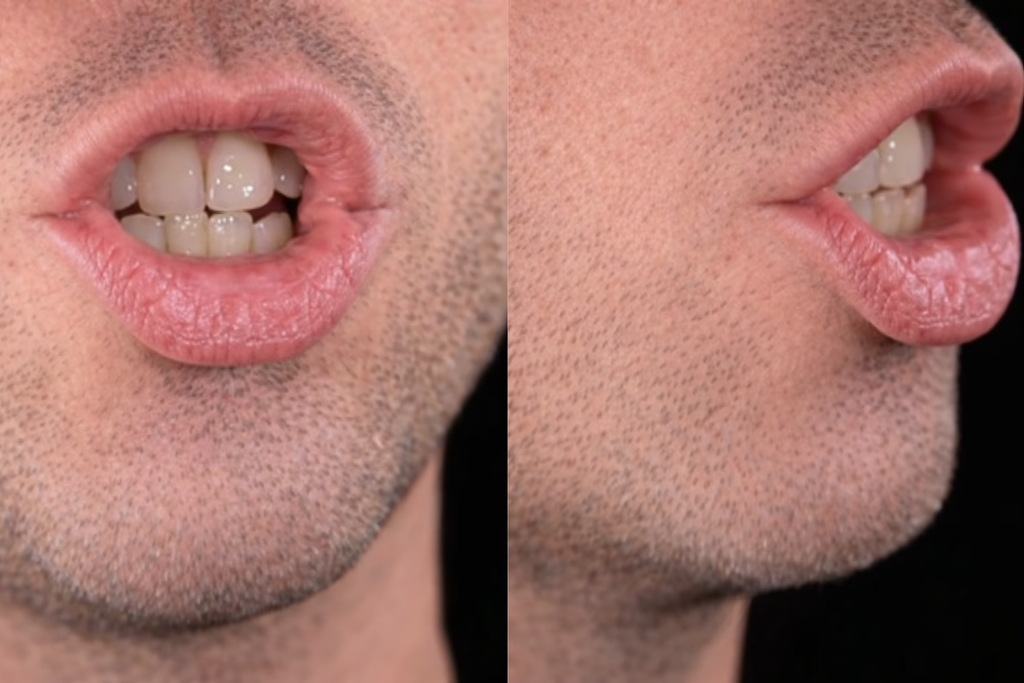
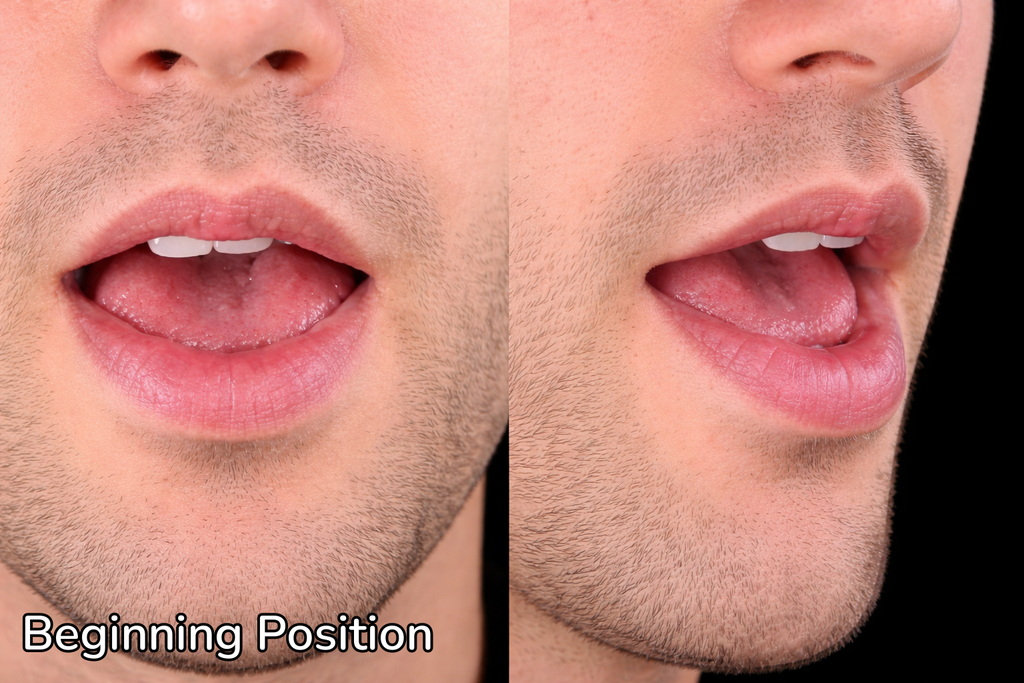
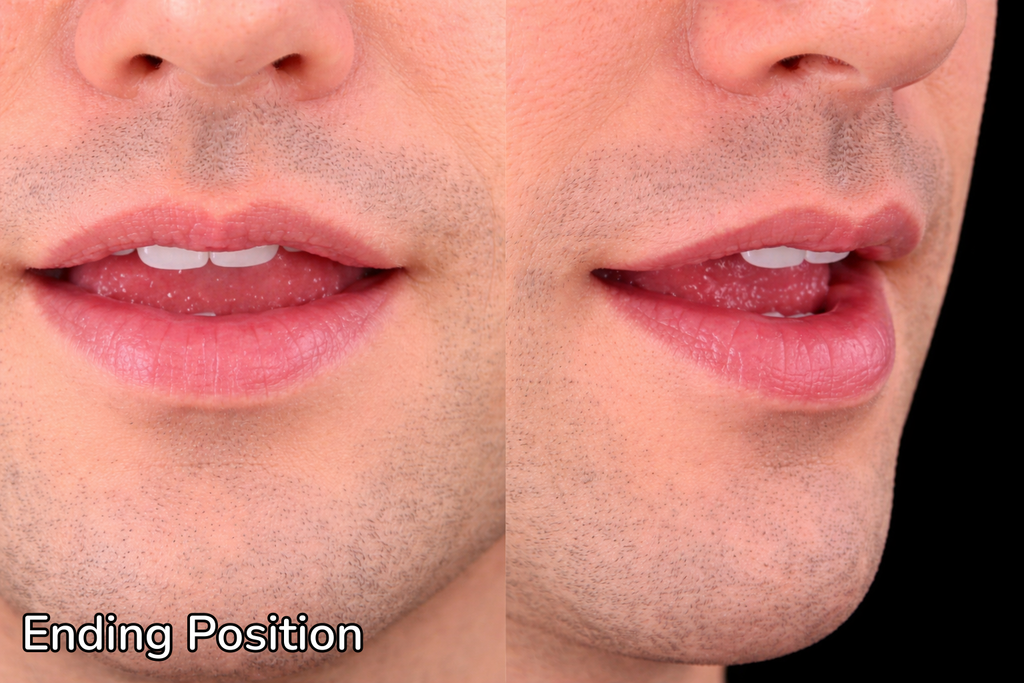
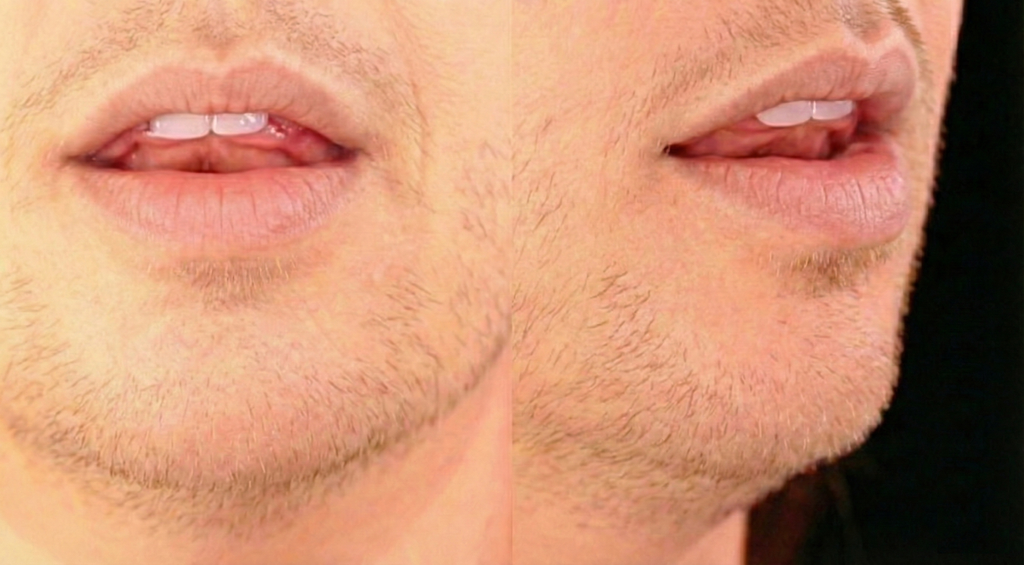
Americans pronounce change as CHAYNJ (/tʃeɪndʒ/).

Now you try.

Record yourself saying "change" and play it back. The mic stays on your device — nothing's uploaded.

Ready when you are
Tap the mic to start
Preview your accent profile

Get your accent profile and 5-axes assessment.

Sounds
75%
Clarity
68%
Stress
78%
Intonation
65%
Fluency
62%

Overall assessment

Our AI coach listens to your recording and grades 5 dimensions of pronunciation — then tells you exactly what to fix next.

72% Noticeable accent
Unlock the full report in the app
Why it sounds different

Why "change" sounds like CHAYNJ.

The "" at the end of "" flows directly into the vowel starting "" — the consonant migrates to the next word with no pause between. This is called the Consonant-to-Vowel Linking, how Americans glue words together so they sound like one phrase. It comes out as CHAYNJ.

In real conversation

Hear "change" in the wild.

Click any sentence to see the full breakdown — every link, every reduction, every flap-T.

"Check the chapter on change and challenge."
CHEHK dhuh CHAP·ter ahn CHAYNJ and CHA·luhnj
"Climate change is causing more frequent and severe weather events."
KLAHY·muht CHAYNJ ihz KAH·zuhng MOR FREE·kwuhnt and suh·VEER WEH·dher uh·VEHNTS
"Climate change is causing sea levels to rise globally."
KLAHY·muht CHAYNJ ihz KAH·zuhng SEE LEH·vuhlz tuh RAHYZ GLOH·buh·lee
"Global partnerships are essential for addressing climate change effectively."
GLOH·buhl PART·ner·shihps er uh·SEHN·shuhl fer uh·DREH·suhng KLAHY·muht CHAYNJ uh·FEHK·tuhv·lee
"He mixed the solutions in a beaker to observe the color change."
hee MIHKST dhuh suh·LOO·shuhnz ihn uh BEE·ker tuh uhb·ZURV dhuh KUH·ler CHAYNJ
"I always bring a jacket because the weather can change quickly."
ahy AHL·wayz BRIHNG uh JA·kuht buh·KUHZ dhuh WEH·dher kuhn CHAYNJ KWIH·klee
Questions

Questions people ask about this.

Is the American pronunciation of "change" different from British English?
American English uses different vowel shapes, a relaxed retroflex R, and connected-speech tricks like flap-T and glottal-stop T that British Received Pronunciation generally avoids. The respell "CHAYNJ" reflects the casual American form; British dictionaries typically print a citation form with crisper consonants and different vowel choices.

Stop reading about "change". Start saying it.

SayWaader is the AI pronunciation coach for American English. Practice 5 minutes a day. Get a 5-axes accent assessment. Sound like you live here.