k/k/
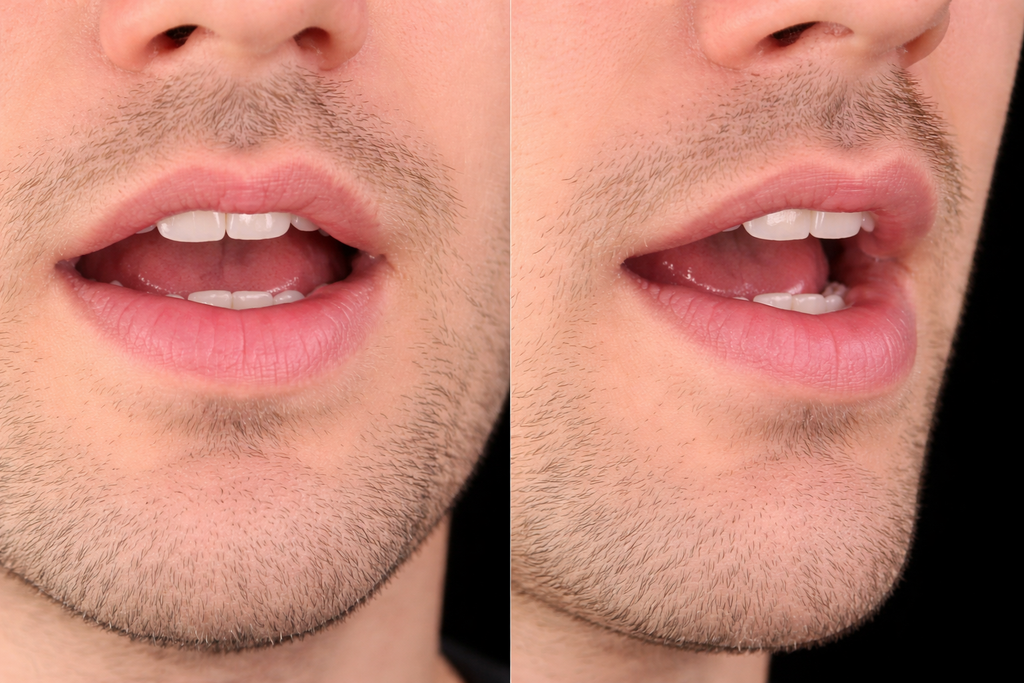
Raise the back of your tongue to touch the soft palate (velum). Stop the air, then release.
Americans pronounce convinced as kuhn-VIHNST (/kənˈvɪnst/). Stress falls on the second syllable — keep everything else short and quick. You'll hear it in sentences like "I am not entirely convinced that this is the right direction" or "Admittedly, I was initially skeptical, but now I am completely convinced" — more examples below.
Record yourself saying "convinced" and play it back. The mic stays on your device — nothing's uploaded.
2 syllables, 8 sounds. Tap a syllable to jump to its row, then explore each sound's mouth shape and how it's made.
Raise the back of your tongue to touch the soft palate (velum). Stop the air, then release.
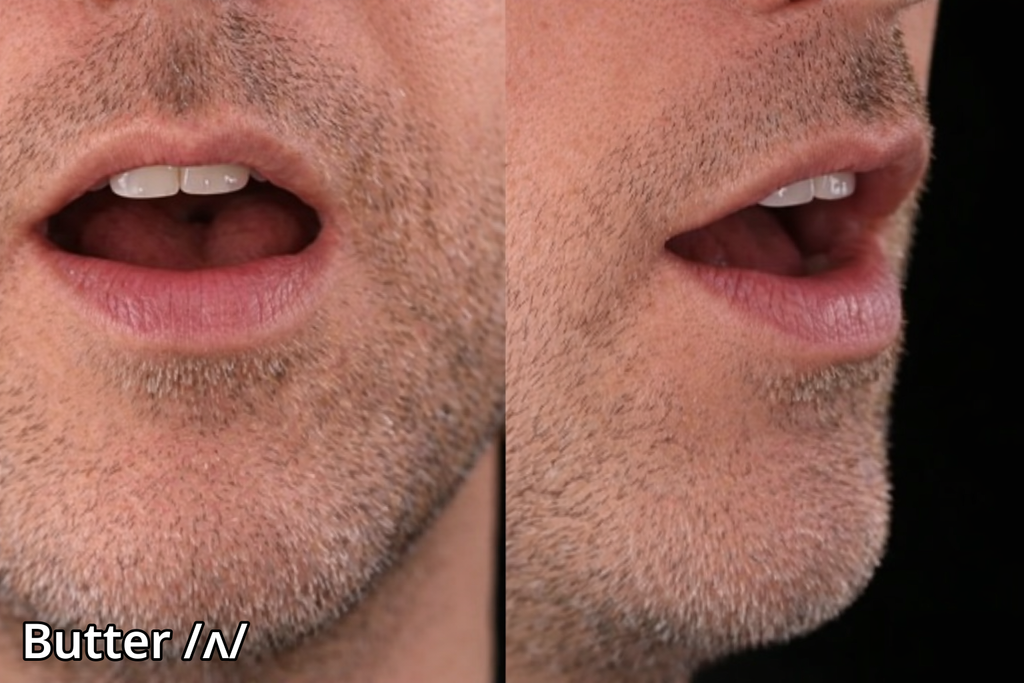
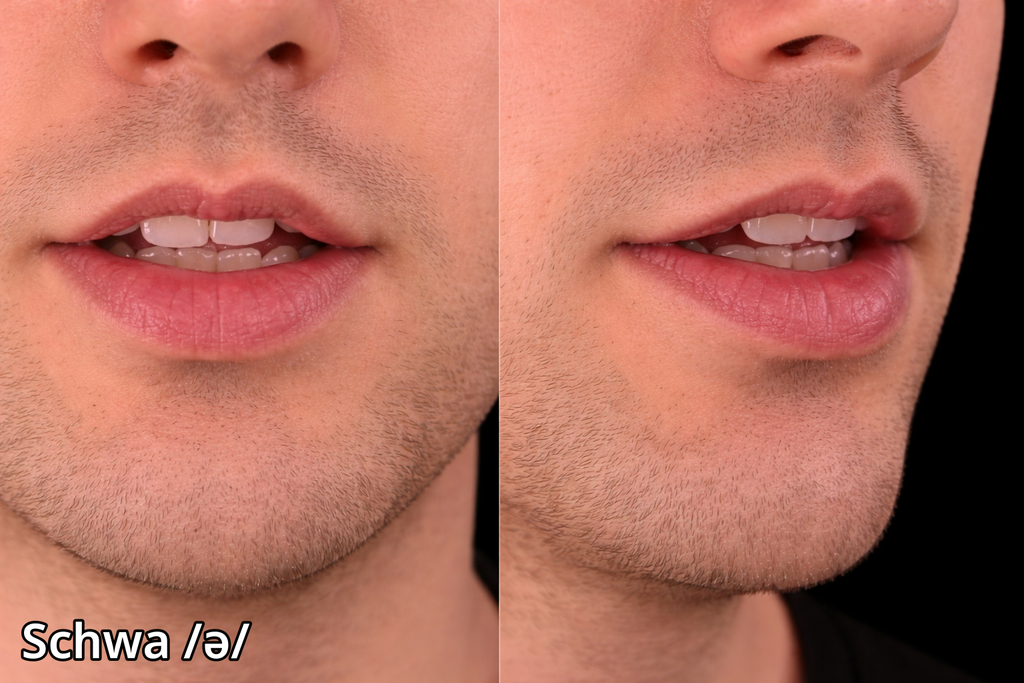
Relax your lips, jaw, and tongue completely. Drop your jaw slightly and keep the tongue neutral.
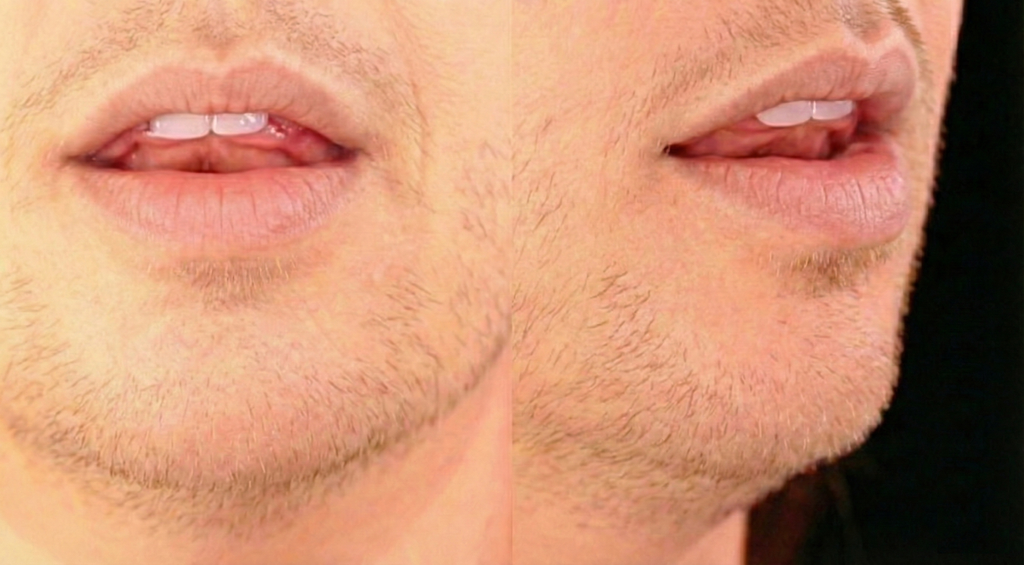
Touch the tip or front edge of your tongue to the roof of your mouth behind your teeth. Air flows through your nose.
Lift your bottom lip so its inner edge (where the wet part meets the dry part) touches the very bottom of your top front teeth. Add vocal cord vibration as you blow air through.
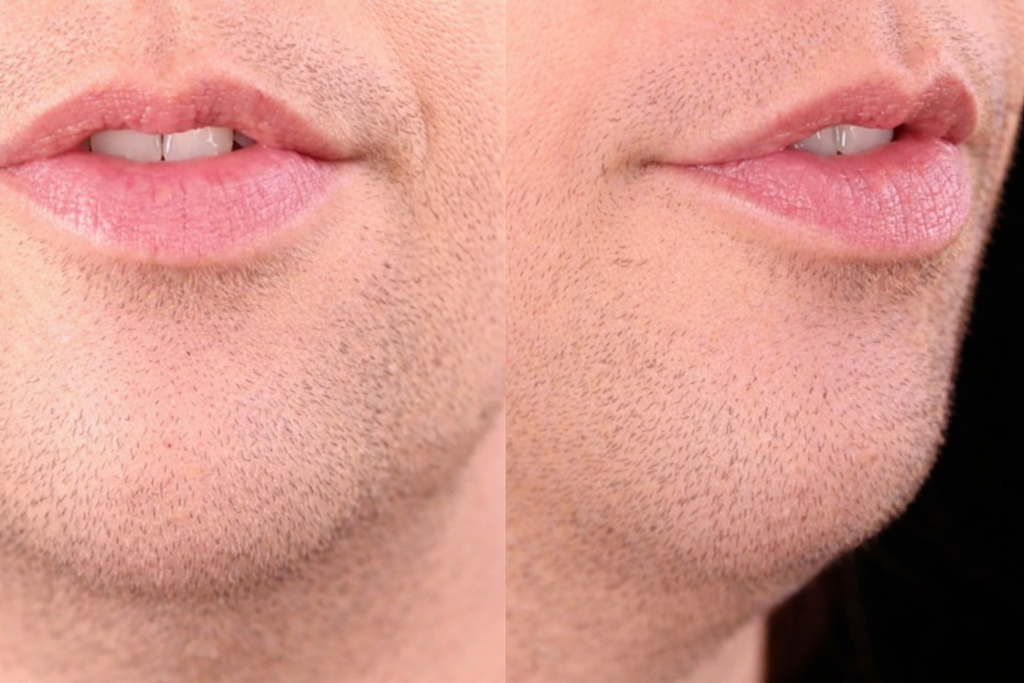
Drop your jaw slightly with relaxed lips. Touch the tongue tip behind the bottom front teeth and arch the top-front toward the roof.
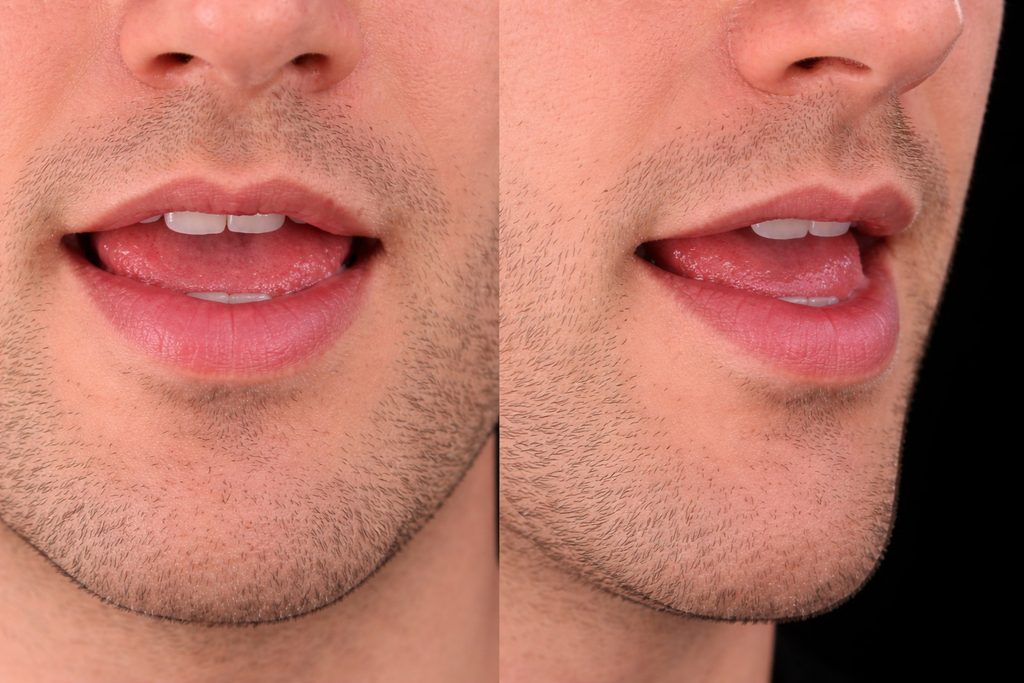
Touch the tip or front edge of your tongue to the roof of your mouth behind your teeth. Air flows through your nose.
Place your tongue tip near the roof of your mouth behind your top teeth. Push air through the narrow gap. No voicing.
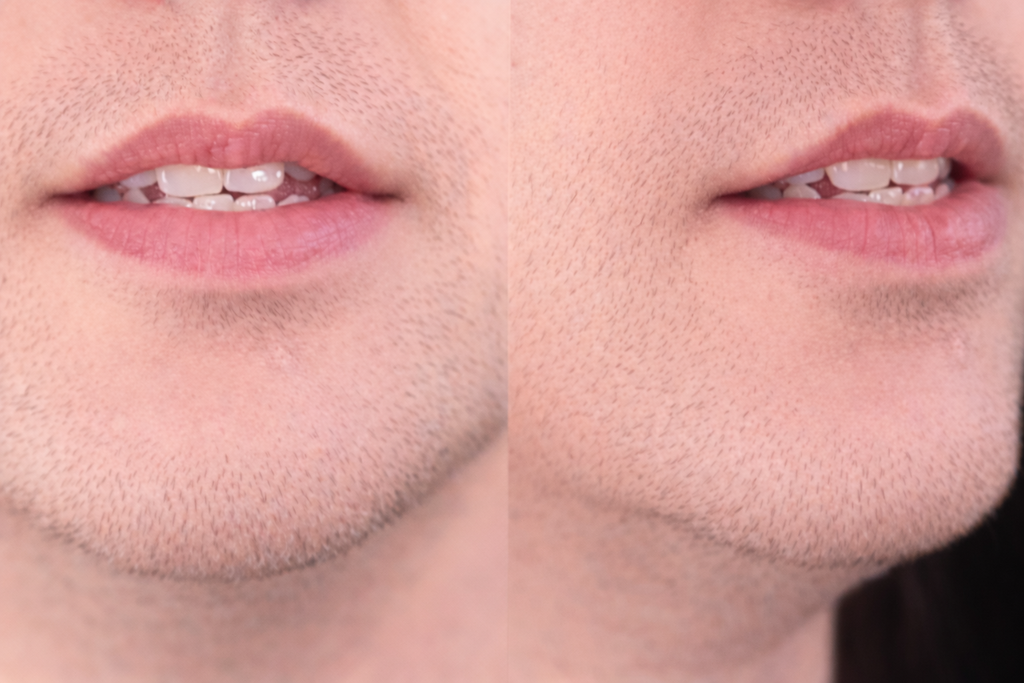
Touch the tip or front edge of your tongue to the roof of your mouth just behind your teeth. Keep your jaw relaxed. Stop the air, then release with a puff.
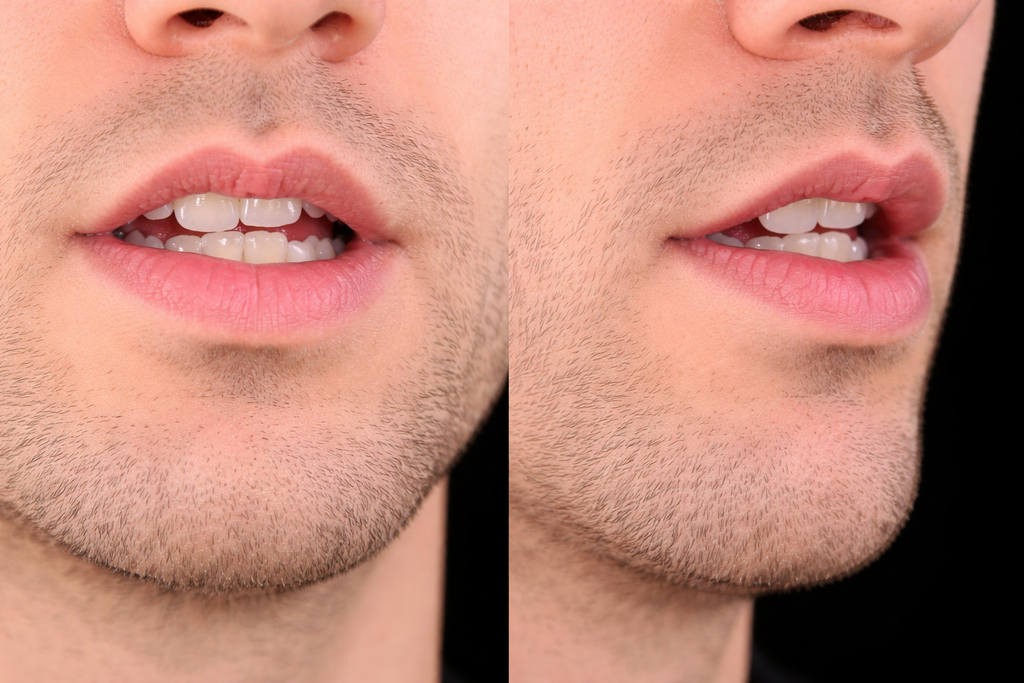
Click any sentence to see the full breakdown — every link, every reduction, every flap-T.
The textbook way isn't wrong — it's just not how anyone actually says it.
In "convinced", the "t" is not released — the articulators get into position but hold without the burst of air. Air stops but there's no release burst — the articulators hold position.
Stress falls on the second syllable, not the others. Stretch VIHNST — keep everything else short and quick.
Don't pronounce the first syllable too fully. The unstressed syllable reduces to a schwa — the lazy "uh" sound — in casual speech.

SayWaader is the AI pronunciation coach for American English. Practice 5 minutes a day. Get a 5-axes accent assessment. Sound like you live here.