d/d/
PalatalizedTongue pulls back slightly from the D position, blending into R. Sounds close to 'jr'.
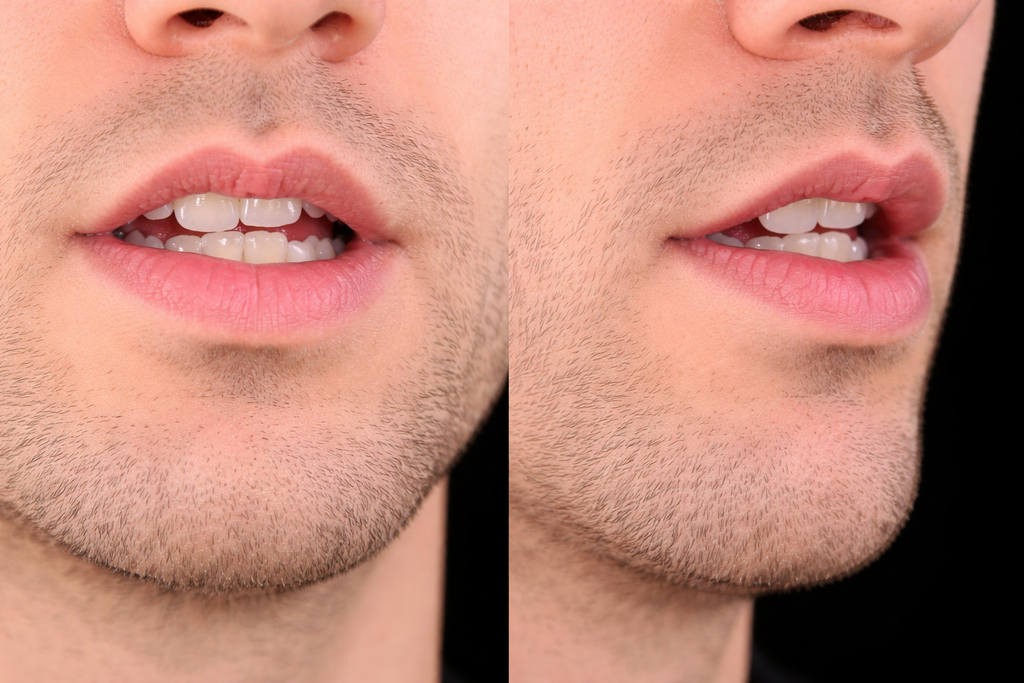
Americans pronounce drives as DRAHYVZ (/draɪvz/). In "drives", the "dr" cluster blends into a "jr" sound — a natural American English pronunciation. This is called the DR Sounds Like JR, and it's one of the defining features of casual American English. It comes out as DRAHYVZ. You'll hear it in sentences like "Her brother drives a bright red car" or "Her brother drives a dark green car" — more examples below.
Record yourself saying "drives" and play it back. The mic stays on your device — nothing's uploaded.
1 syllable, 5 sounds. Explore each sound's mouth shape and how it's made.
Tongue pulls back slightly from the D position, blending into R. Sounds close to 'jr'.
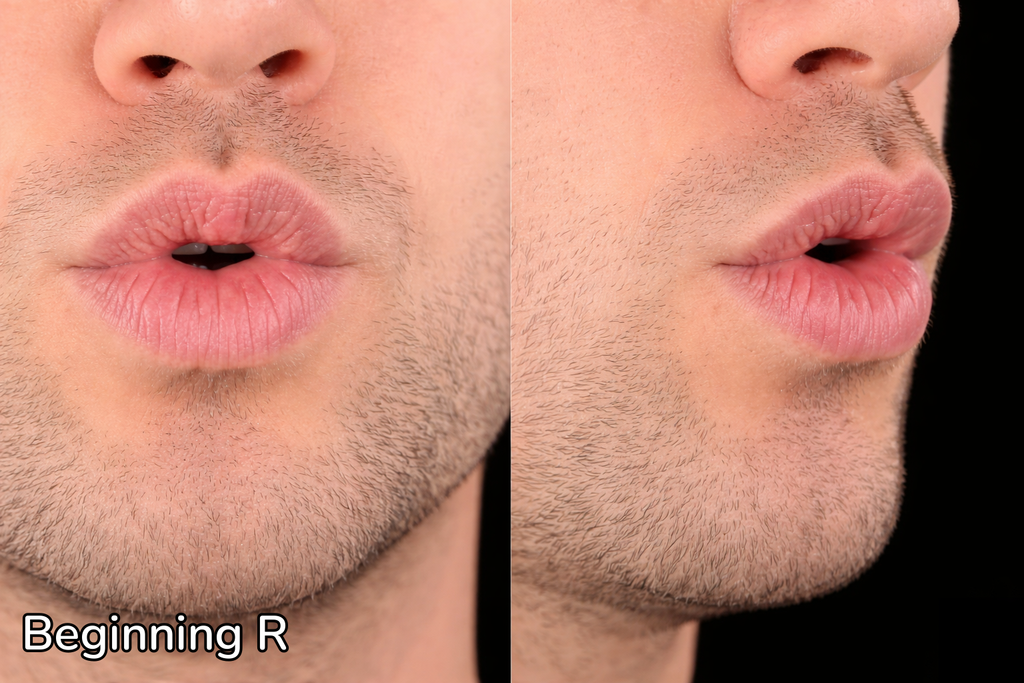
Curl or bunch your tongue without letting the tip touch the roof of your mouth. Brace the sides of your tongue against your upper back teeth, and round your lips slightly.
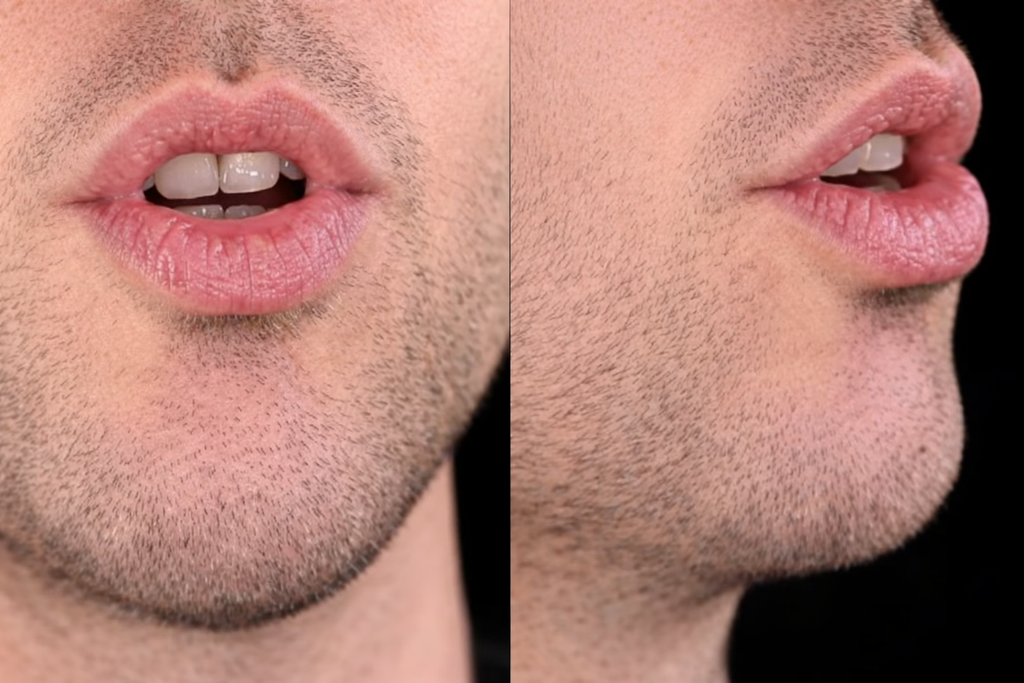
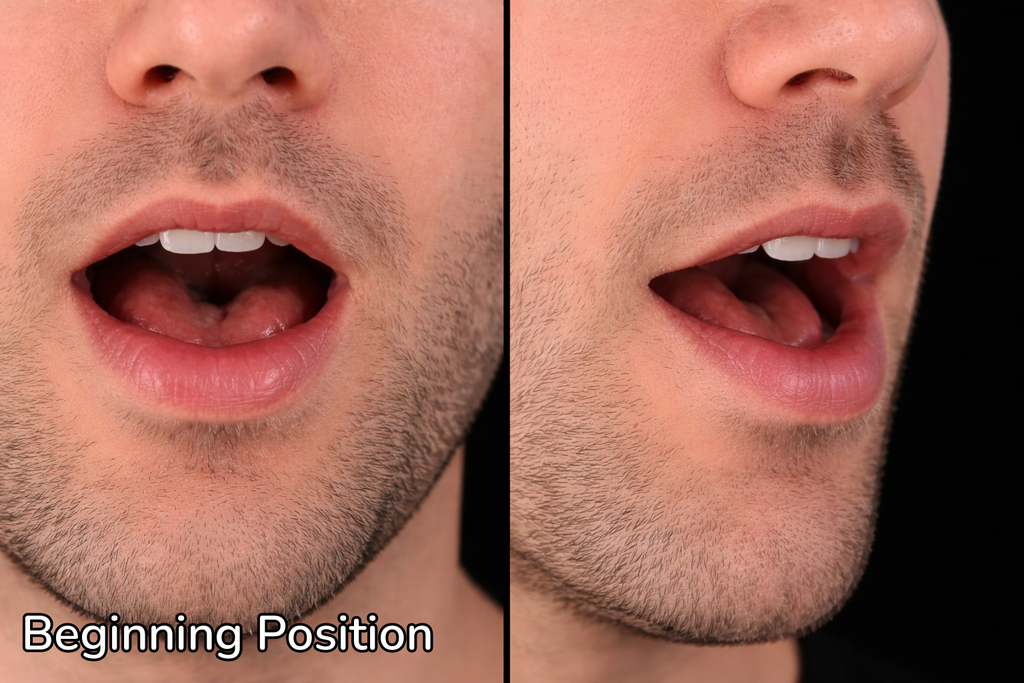
Start with your jaw open wide and your tongue resting low and flat. Glide the front of your tongue up toward the roof of your mouth as your jaw closes halfway.
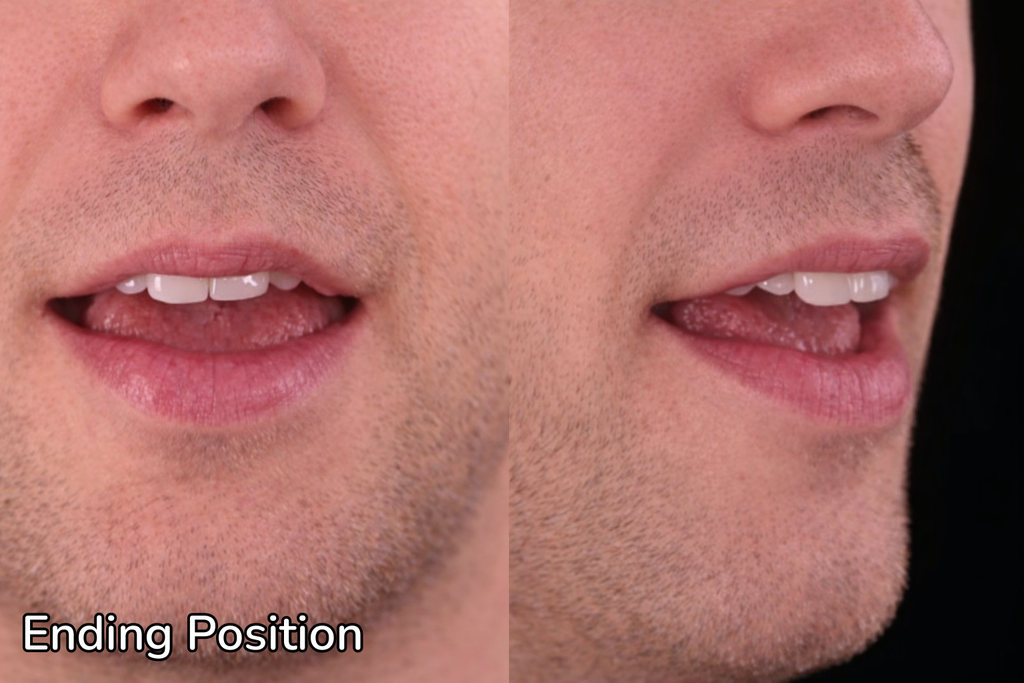
Lift your bottom lip so its inner edge (where the wet part meets the dry part) touches the very bottom of your top front teeth. Add vocal cord vibration as you blow air through.
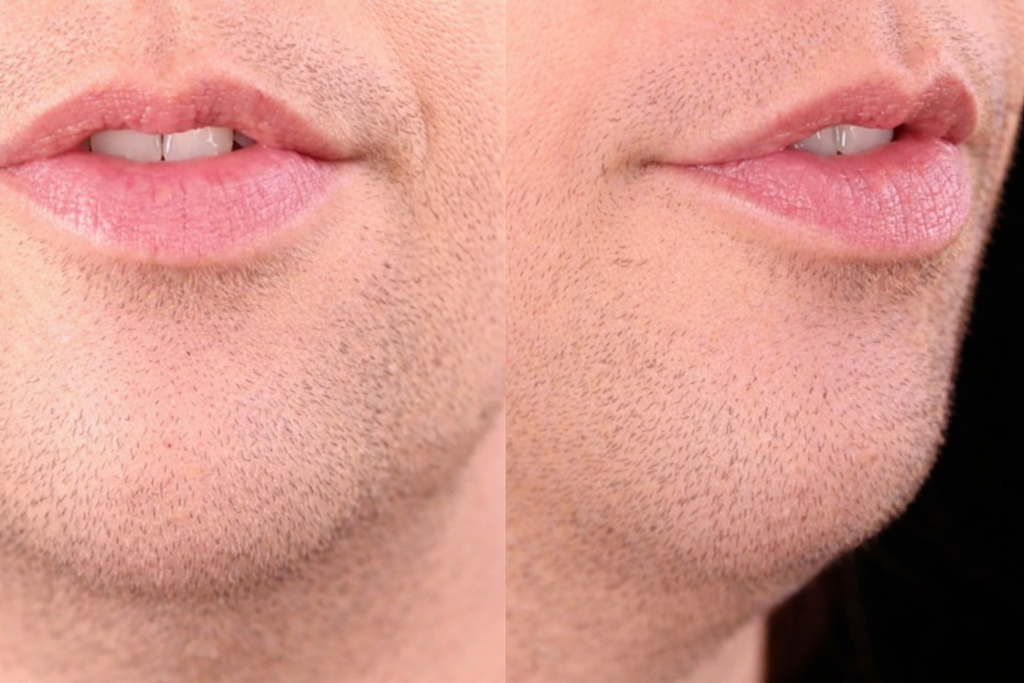
Same position as S, but add vocal cord vibration. Feel the buzz.
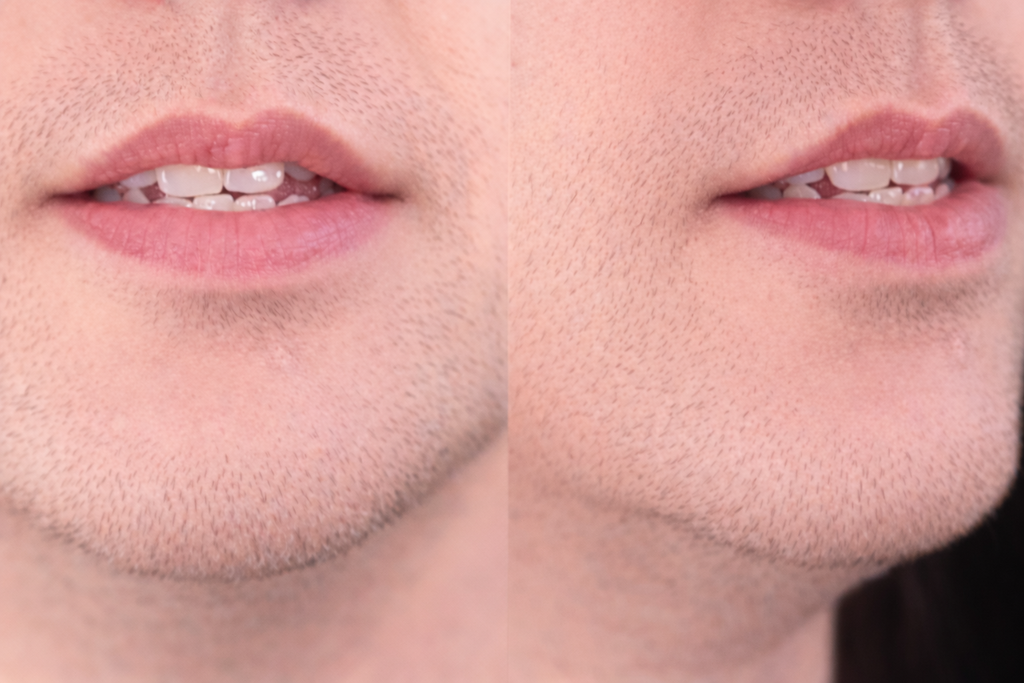
Click any sentence to see the full breakdown — every link, every reduction, every flap-T.
The textbook way isn't wrong — it's just not how anyone actually says it.
In "drives", the "dr" cluster blends into a "jr" sound — a natural American English pronunciation. /d/ shifts toward /dʒ/ ("j"), so DR sounds like "jr".

SayWaader is the AI pronunciation coach for American English. Practice 5 minutes a day. Get a 5-axes accent assessment. Sound like you live here.