eh/ɛ/
Drop your jaw moderately. Touch the tongue tip behind the bottom front teeth and lift the mid-front part slightly toward the roof.
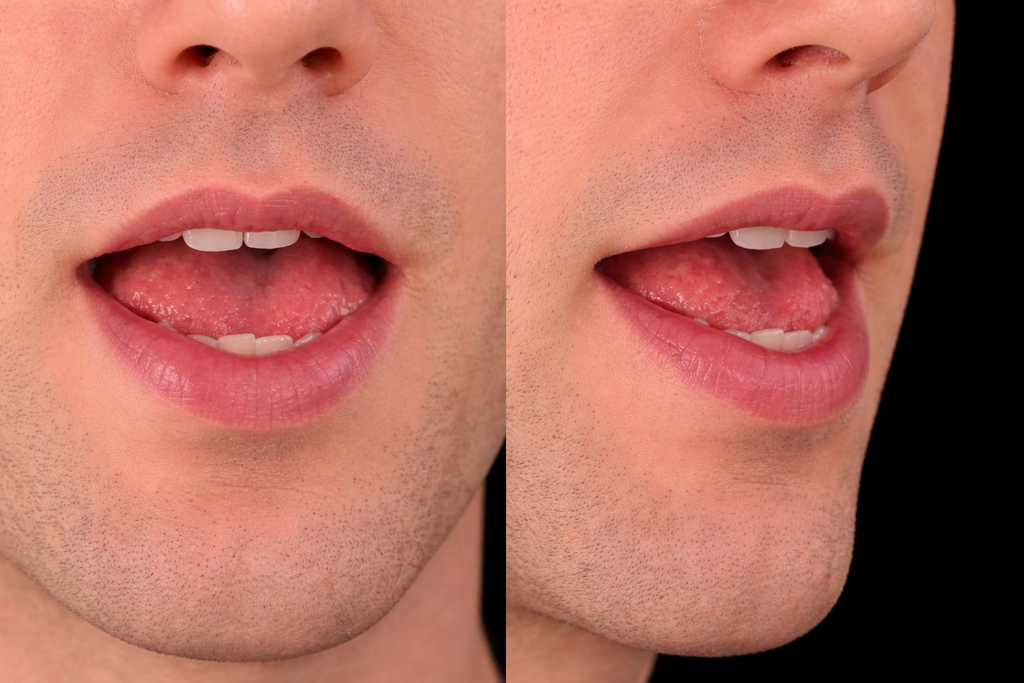
Americans pronounce end as EHND (/ɛnd/). You'll hear it in sentences like "Where did you end up parking the car?" or "The project is due at the end of the day" — more examples below.
Record yourself saying "end" and play it back. The mic stays on your device — nothing's uploaded.
1 syllable, 3 sounds. Explore each sound's mouth shape and how it's made.
Drop your jaw moderately. Touch the tongue tip behind the bottom front teeth and lift the mid-front part slightly toward the roof.
Touch the tip or front edge of your tongue to the roof of your mouth behind your teeth. Air flows through your nose.
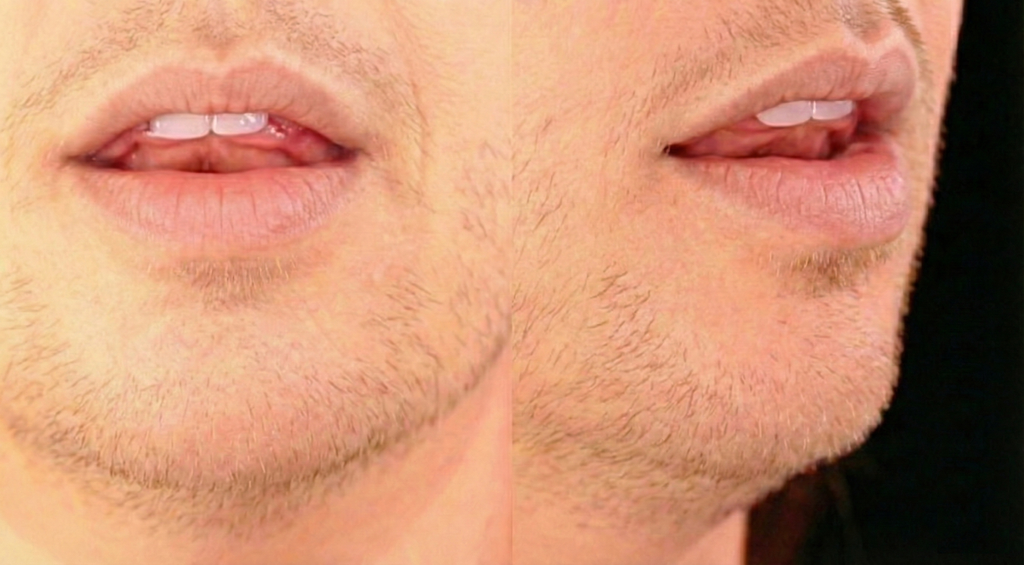
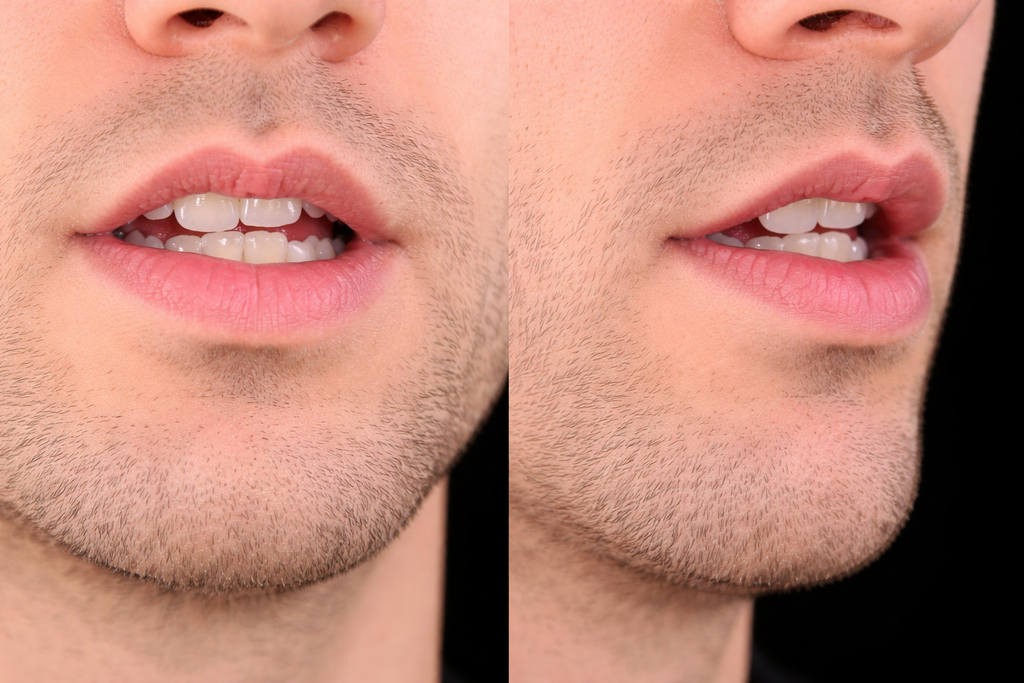
Touch the tip of your tongue to the roof of your mouth just behind your teeth. Add vocal cord vibration as you release.
Click any sentence to see the full breakdown — every link, every reduction, every flap-T.

SayWaader is the AI pronunciation coach for American English. Practice 5 minutes a day. Get a 5-axes accent assessment. Sound like you live here.