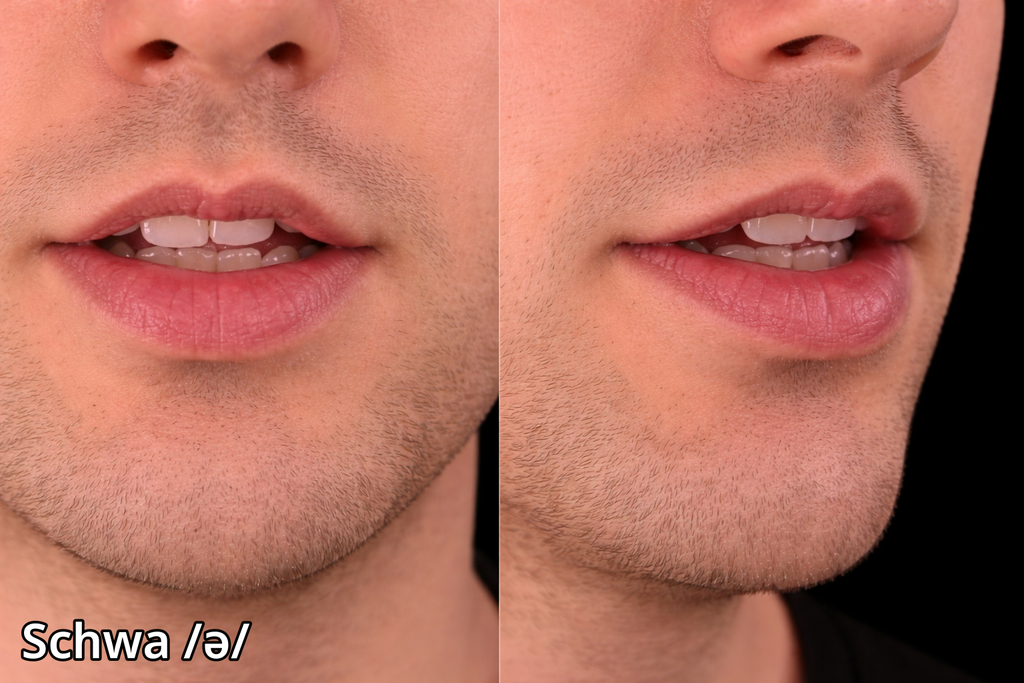
How to pronounce needed in American English

IPA /ˈnidəd/ Syllables 2 · nee·duhd Stress 1st syllable
NEE·duhd
Start here

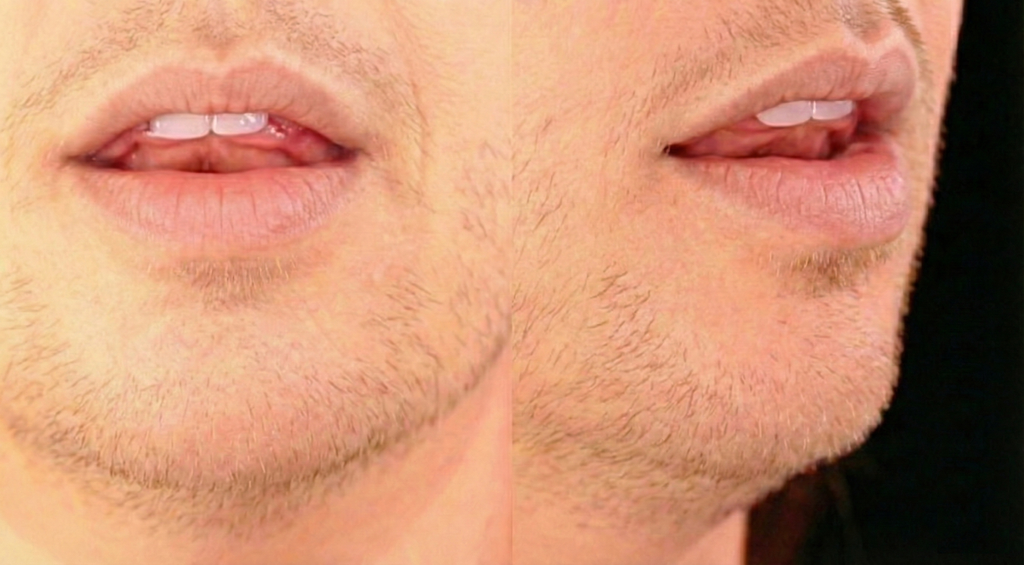
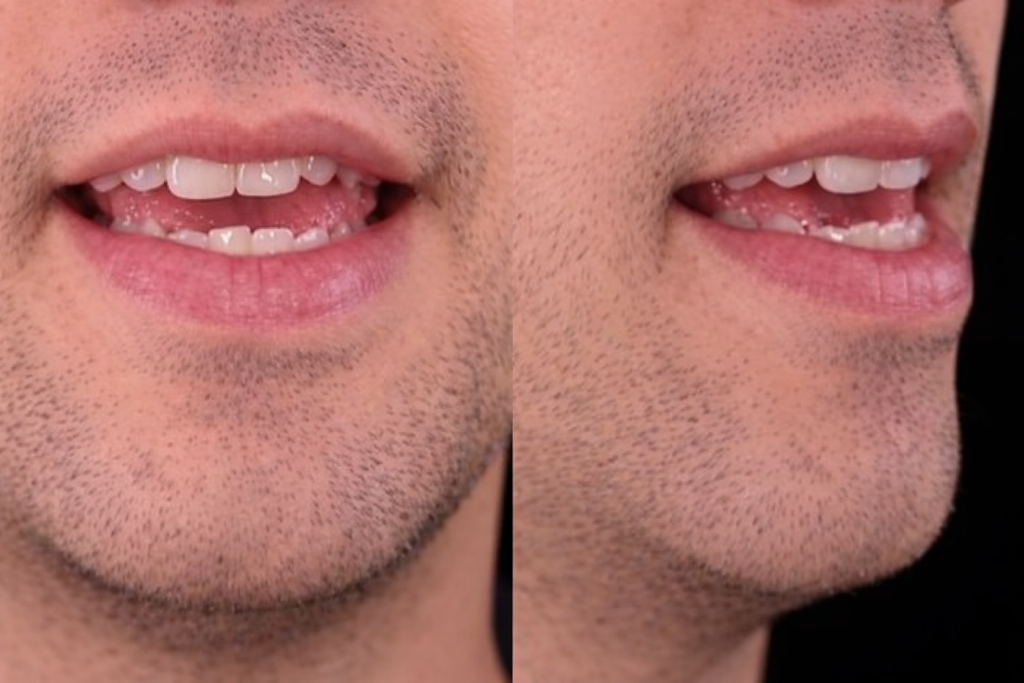
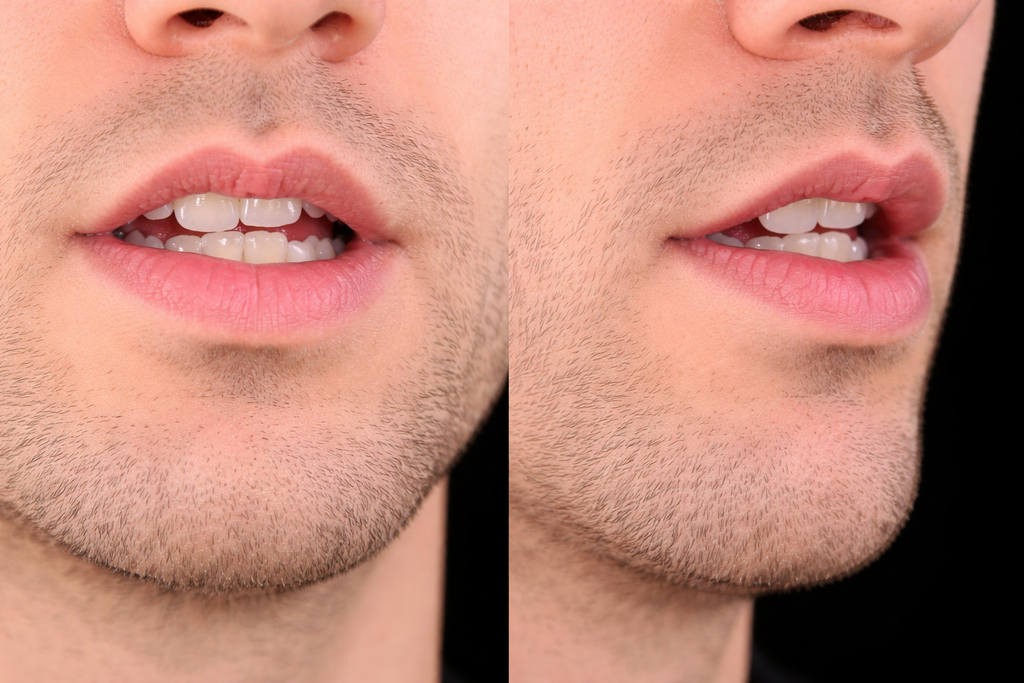
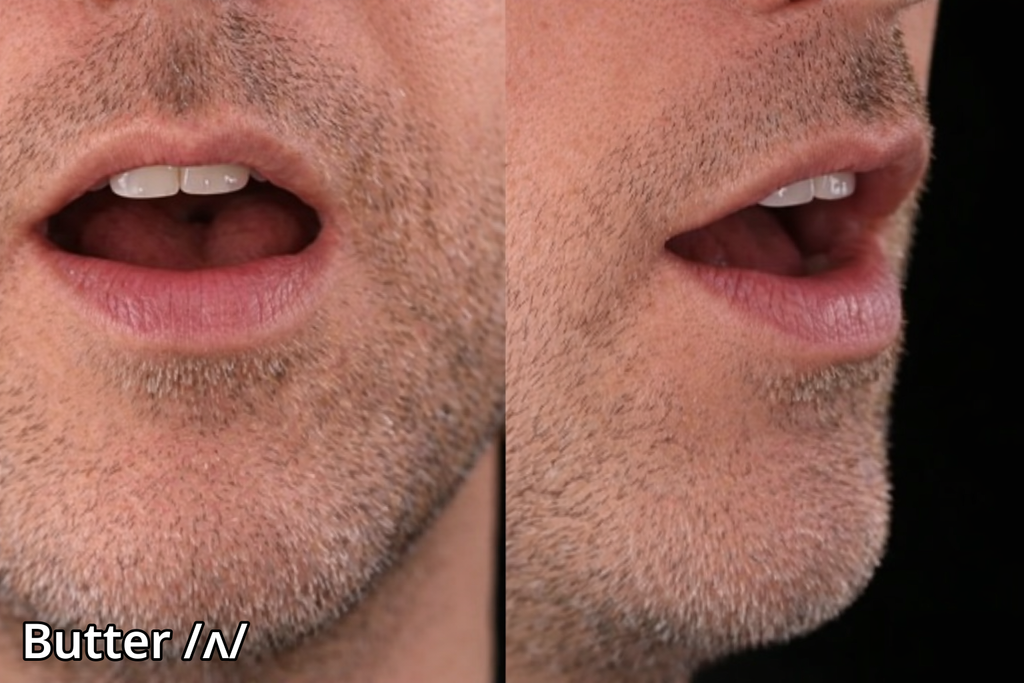
Americans pronounce needed as NEE-duhd (/ˈnidəd/). The T between vowels softens into a quick D-like flap, so it sounds closer to a D than a crisp T. Stress falls on the first syllable — keep everything else short and quick.

Now you try.

Record yourself saying "needed" and play it back. The mic stays on your device — nothing's uploaded.

Ready when you are
Tap the mic to start
Preview your accent profile

Get your accent profile and 5-axes assessment.

Sounds
75%
Clarity
68%
Stress
78%
Intonation
65%
Fluency
62%

Overall assessment

Our AI coach listens to your recording and grades 5 dimensions of pronunciation — then tells you exactly what to fix next.

72% Noticeable accent

Common mistakes

Saying a hard "T" in the middle.

In "needed", the "t" between vowels sounds like a quick "d" — the tongue briefly taps the ridge behind the upper teeth. /t/ or /d/ becomes a quick tap [ɾ] — sounds like a soft D. The tongue briefly taps the ridge behind the upper teeth.

Releasing the final consonant with a puff of air.

In "needed", the "" is not released — the articulators get into position but hold without the burst of air. Air stops but there's no release burst — the articulators hold position.

Unlock the full report in the app
Why it sounds different

Why "needed" sounds like NEE·duhd.

In "needed", the "t" between vowels sounds like a quick "d" — the tongue briefly taps the ridge behind the upper teeth. This is called the Flap T, and it's why Americans sound more relaxed than the textbook. So instead of NEE·tuht, you get NEE·duhd.

In real conversation

Hear "needed" in the wild.

Click any sentence to see the full breakdown — every link, every reduction, every flap-T.

"He grabbed a cart instead of a basket because we needed a lot."
hee GRABD uh KART uhn·STEHD uhv uh BA·skuht buh·KUHZ wee NEE·duhd uh LAHT
"He hurt his knee while jogging and needed to see a doctor."
hee HURT hihz NEE WAHYL JAH·guhng and NEE·duhd tuh SEE uh DAHK·ter
"He needed a certified copy of his birth certificate."
hee NEE·duhd uh SUR·tuh·fahyd KAH·pee uhv hihz BURTH ser·TIH·fuh·kuht
"I think we can all agree that more information is needed."
ahy thihngk wee kuhn AHL uh·GREE dhuht MOR ihn·fer·MAY·shuhn ihz NEE·duhd
"Please forgive me for not being there when you needed me."
PLEEZ fer·GIHV mee fer NAHT BEE·uhng DHAIR wehn yoo NEE·duhd mee
"The contract includes a clause for early termination if needed."
dhuh KAHN·trakt uhn·KLOODZ uh KLAHZ fer UR·lee tur·muh·NAY·shuhn ihf NEE·duhd
Watch out

Common pronunciation mistakes in American English.

The textbook way isn't wrong — it's just not how anyone actually says it.

01

Saying a hard "T" in the middle.

In "needed", the "t" between vowels sounds like a quick "d" — the tongue briefly taps the ridge behind the upper teeth. /t/ or /d/ becomes a quick tap [ɾ] — sounds like a soft D. The tongue briefly taps the ridge behind the upper teeth.

NEE-tuhtNEE·duhd
02

Releasing the final consonant with a puff of air.

In "needed", the "" is not released — the articulators get into position but hold without the burst of air. Air stops but there's no release burst — the articulators hold position.

neededNEE·duhd
03

Stressing the wrong syllable.

Stress falls on the first syllable, not the others. Stretch NEE — keep everything else short and quick.

nee·DUHDNEE·duhd
04

Pronouncing the unstressed syllable too fully.

Don't pronounce the first syllable too fully. The unstressed syllable reduces to a schwa — the lazy "uh" sound — in casual speech.

NEE·DUHDNEE·duhd
Questions

Questions people ask about this.

How is "needed" stressed in American English?
Stress falls on the first syllable — say "NEE" with a longer, fuller vowel and keep every other syllable short and quick. The respell "NEE-duhd" marks the stressed syllable in capitals so the rhythm is easy to read at a glance.
Why doesn't the T sound like a T in "needed"?
In American English, when /t/ sits between two vowels with the second one unstressed, it turns into a quick D-like flap. So "needed" sounds closer to "NEE-duhd" than to a crisp-T pronunciation. This is the flap-T rule, one of the most distinctive sounds of casual American speech.
Why does the second syllable in "needed" reduce to "uh"?
Unstressed syllables in American English collapse toward a schwa — a lazy, neutral "uh" sound. The full vowel is what textbooks teach, but in actual American speech every unstressed vowel reduces. The respell "NEE-duhd" shows the reduced form so you can hear the casual rhythm directly.
Is the American pronunciation of "needed" different from British English?
American English uses different vowel shapes, a relaxed retroflex R, and connected-speech tricks like flap-T and glottal-stop T that British Received Pronunciation generally avoids. The respell "NEE-duhd" reflects the casual American form; British dictionaries typically print a citation form with crisper consonants and different vowel choices.

Stop reading about "needed". Start saying it.

SayWaader is the AI pronunciation coach for American English. Practice 5 minutes a day. Get a 5-axes accent assessment. Sound like you live here.