n/n/
Touch the tip or front edge of your tongue to the roof of your mouth behind your teeth. Air flows through your nose.
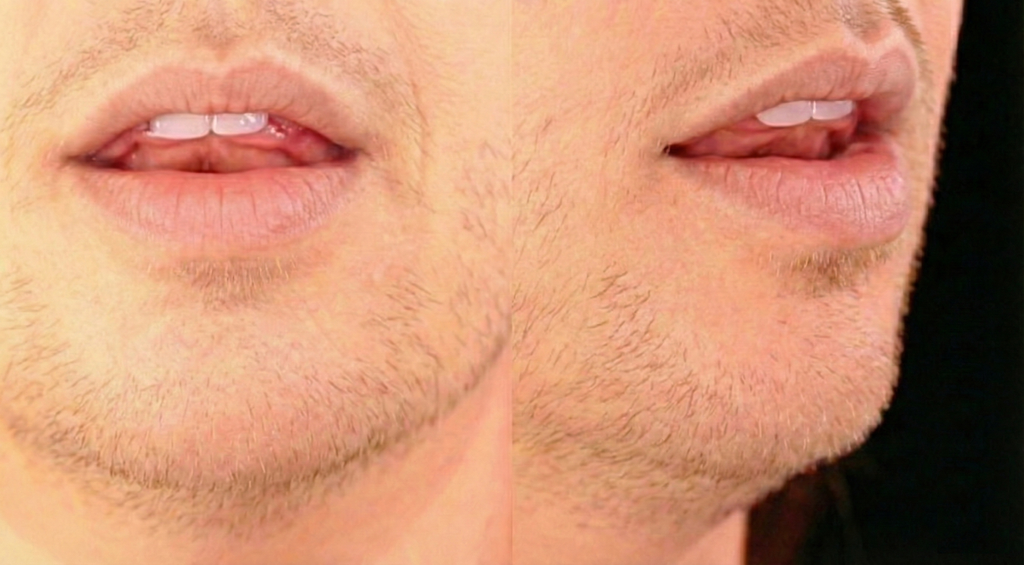
Americans pronounce nineteenth as NAHYN-teenth (/ˈnaɪnˌtinθ/). In "nineteenth", the "t" right after N is dropped — the tongue skips the T stop and moves directly from the N position to the next sound. This is called the Silent T after N, the kind of sound shift that makes everyday speech feel effortless. It comes out as NAHYN·TEENTH. Stress falls on the first syllable — keep everything else short and quick. You'll hear it in sentences like "She is a fan of classic literature from the nineteenth century".
Record yourself saying "nineteenth" and play it back. The mic stays on your device — nothing's uploaded.
2 syllables, 7 sounds. Tap a syllable to jump to its row, then explore each sound's mouth shape and how it's made.
Touch the tip or front edge of your tongue to the roof of your mouth behind your teeth. Air flows through your nose.
Start with your jaw open wide and your tongue resting low and flat. Glide the front of your tongue up toward the roof of your mouth as your jaw closes halfway.
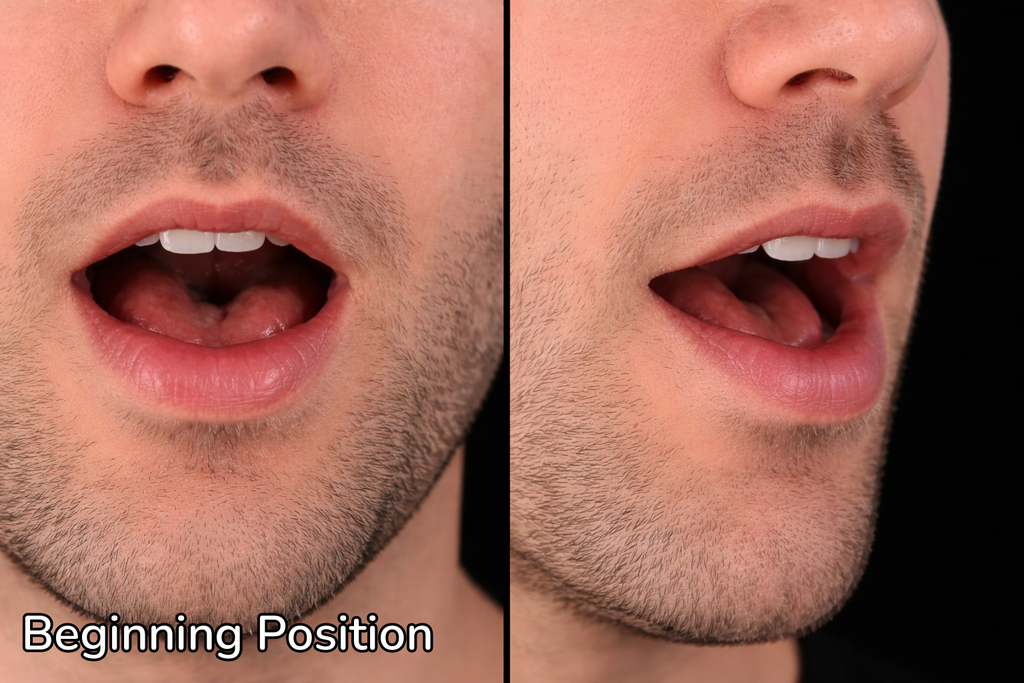
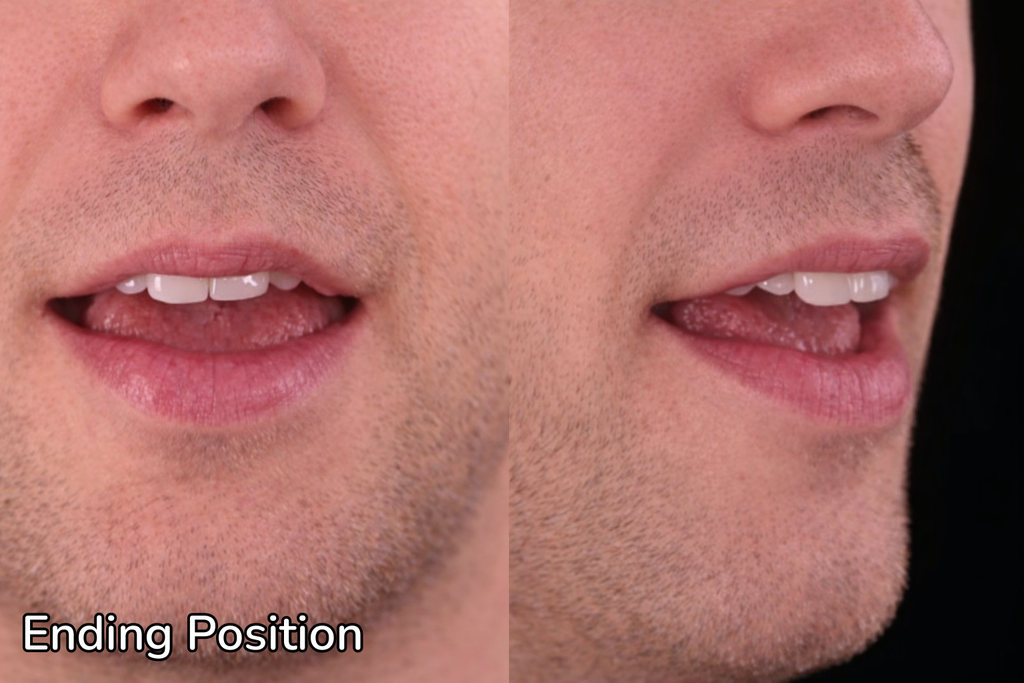
Touch the tip or front edge of your tongue to the roof of your mouth behind your teeth. Air flows through your nose.
The T is skipped entirely. Your tongue doesn't make contact at the T position.
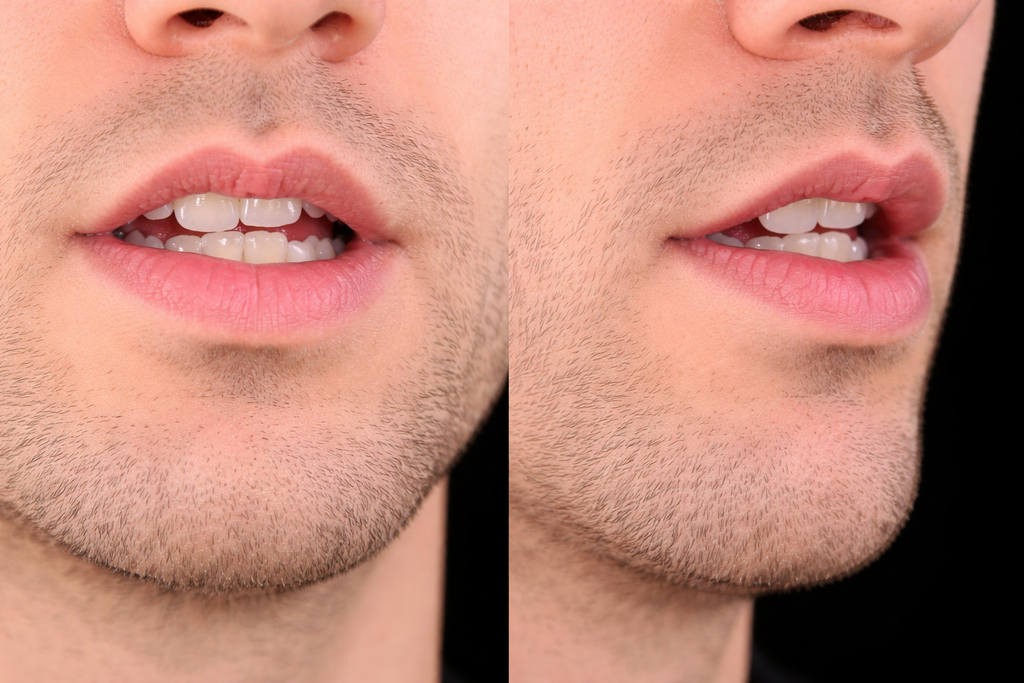
Pull the corners of your lips back slightly. Arch the middle-front of your tongue high toward the roof of the mouth.
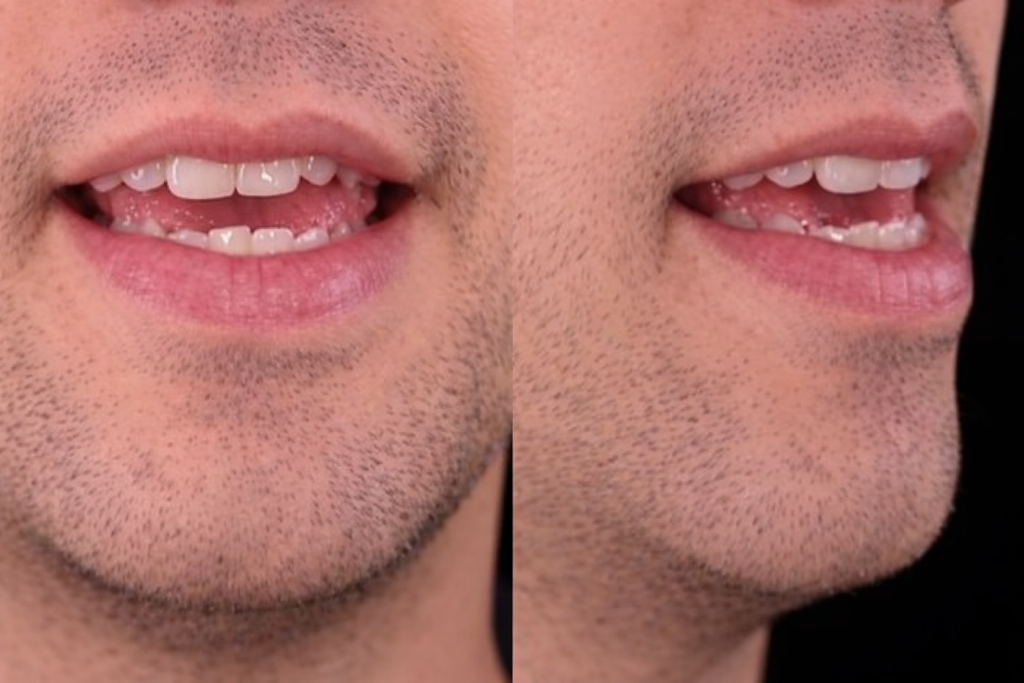
Touch the tip or front edge of your tongue to the roof of your mouth behind your teeth. Air flows through your nose.
Place the very tip of your tongue slightly between your teeth. Blow air gently around it without voicing.
The textbook way isn't wrong — it's just not how anyone actually says it.
In "nineteenth", the "t" right after N is dropped — the tongue skips the T stop and moves directly from the N position to the next sound. /t/ is completely silent — the tongue skips the T stop and moves directly from the N position to the next sound.
Stress falls on the first syllable, not the others. Stretch NAHYN — keep everything else short and quick.

SayWaader is the AI pronunciation coach for American English. Practice 5 minutes a day. Get a 5-axes accent assessment. Sound like you live here.