r/r/
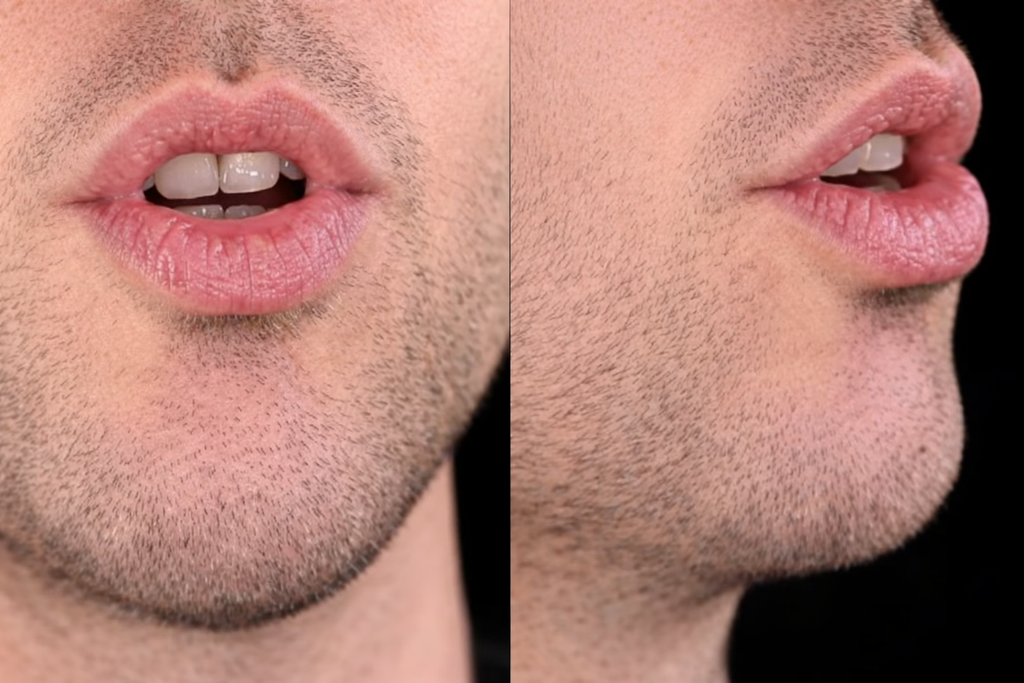
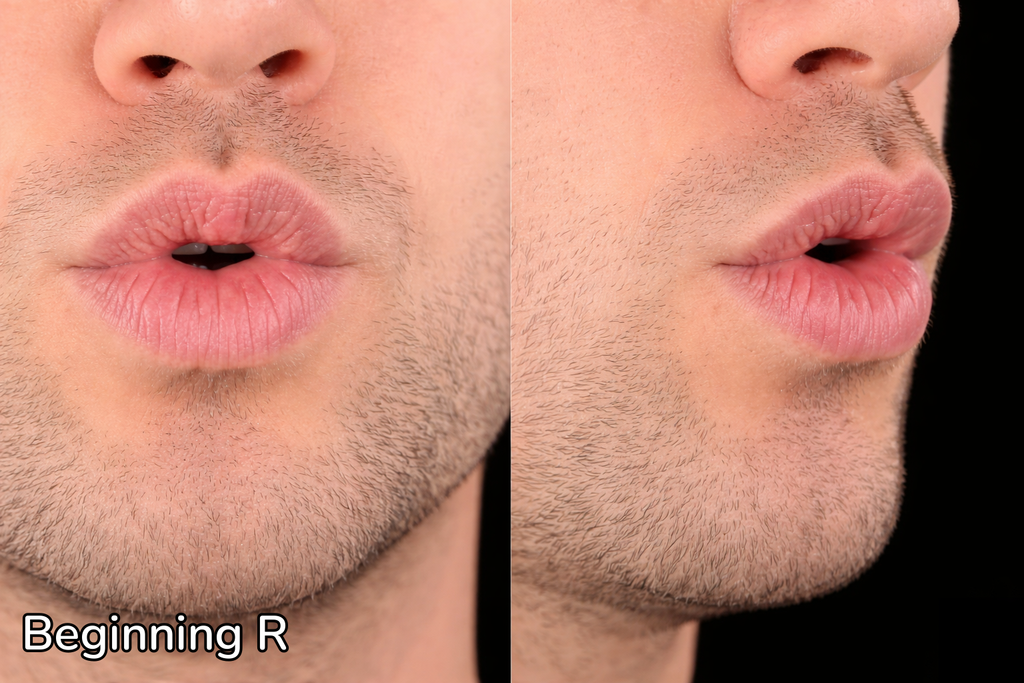
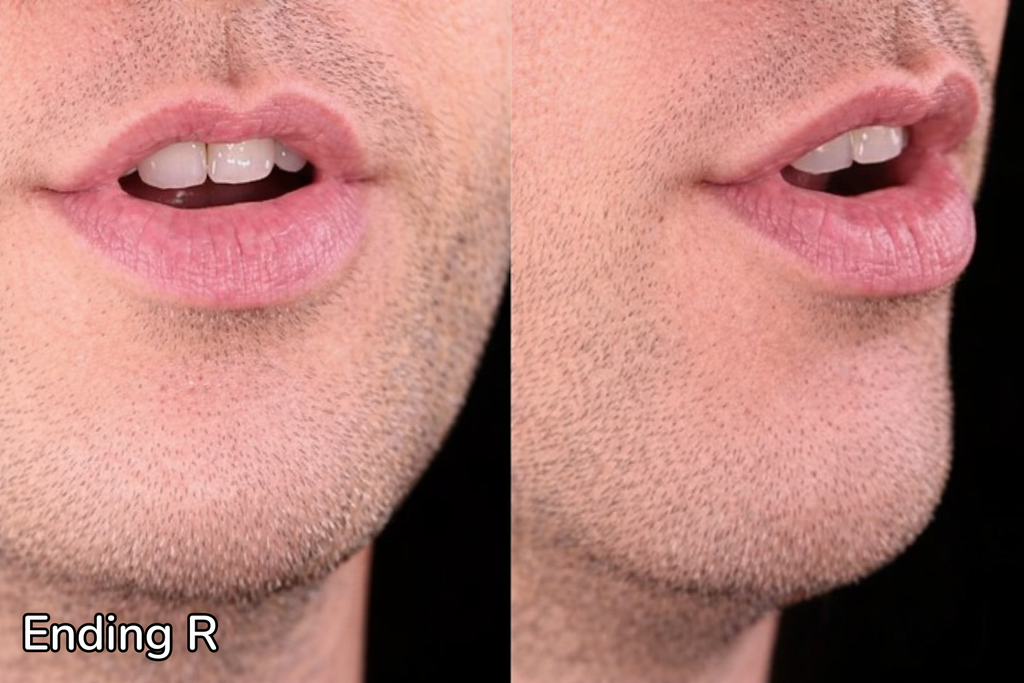
Curl or bunch your tongue without letting the tip touch the roof of your mouth. Brace the sides of your tongue against your upper back teeth, and round your lips slightly.
Americans pronounce robbery as RAH-buh-ree (/ˈrɑbəri/). Stress falls on the first syllable — keep everything else short and quick. You'll hear it in sentences like "He was sentenced to five years in prison for the robbery".
Record yourself saying "robbery" and play it back. The mic stays on your device — nothing's uploaded.
3 syllables, 6 sounds. Tap a syllable to jump to its row, then explore each sound's mouth shape and how it's made.
Curl or bunch your tongue without letting the tip touch the roof of your mouth. Brace the sides of your tongue against your upper back teeth, and round your lips slightly.
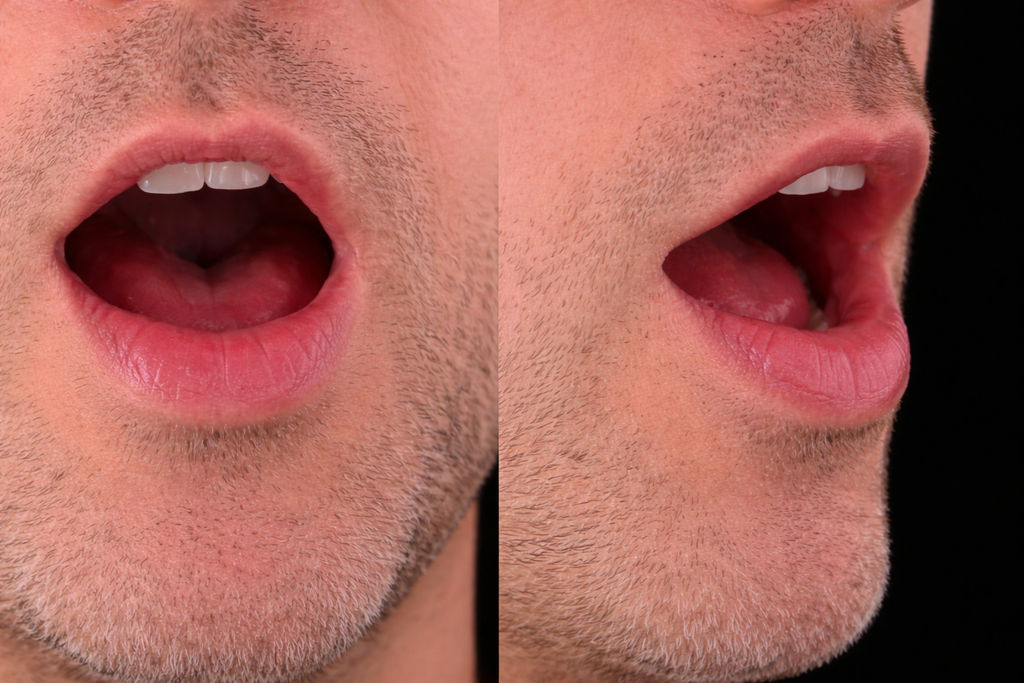
Relax your lips and drop your jaw significantly. The tongue tip lightly touches behind the bottom front teeth and the back part of the tongue presses down a little to create more dark space in the back of the mouth.
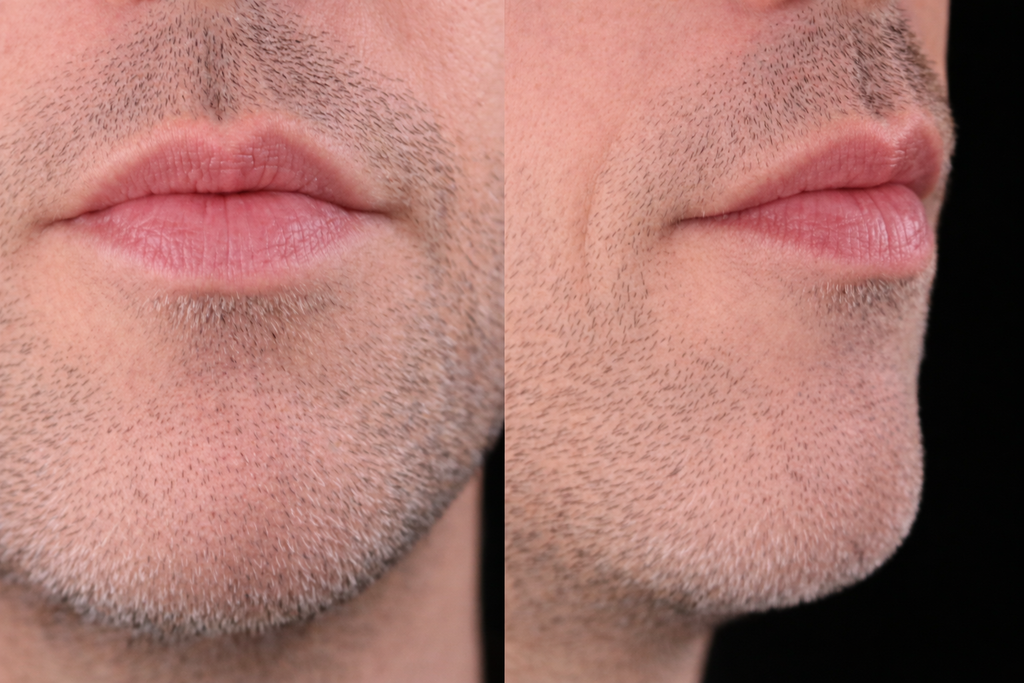
Press your lips together, add vocal cord vibration, then release.
Relax your lips, jaw, and tongue completely. Drop your jaw slightly and keep the tongue neutral.
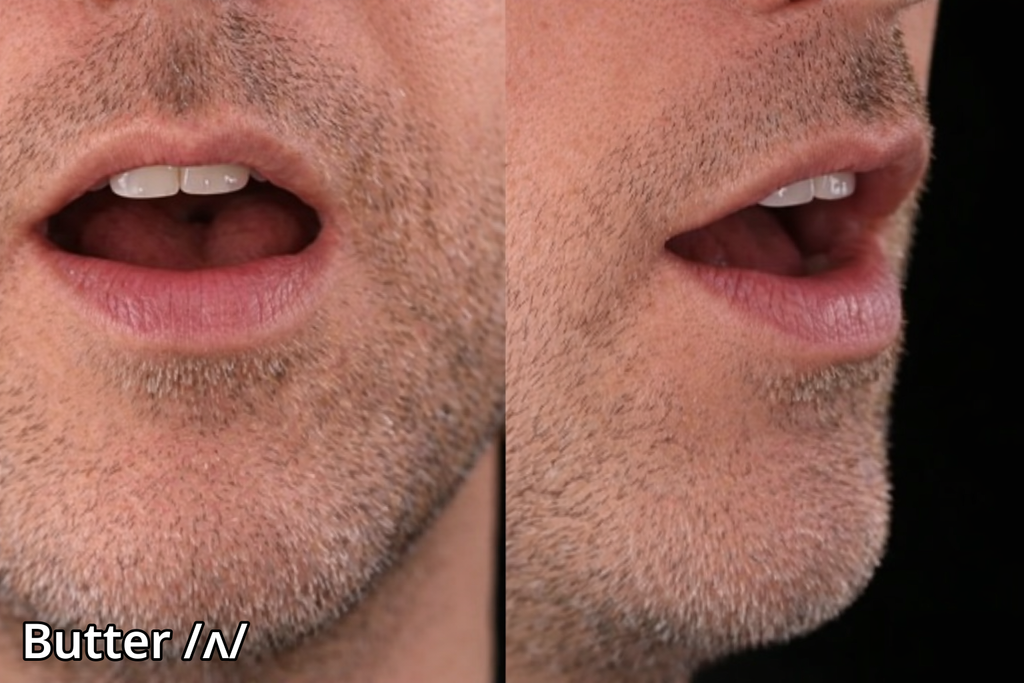
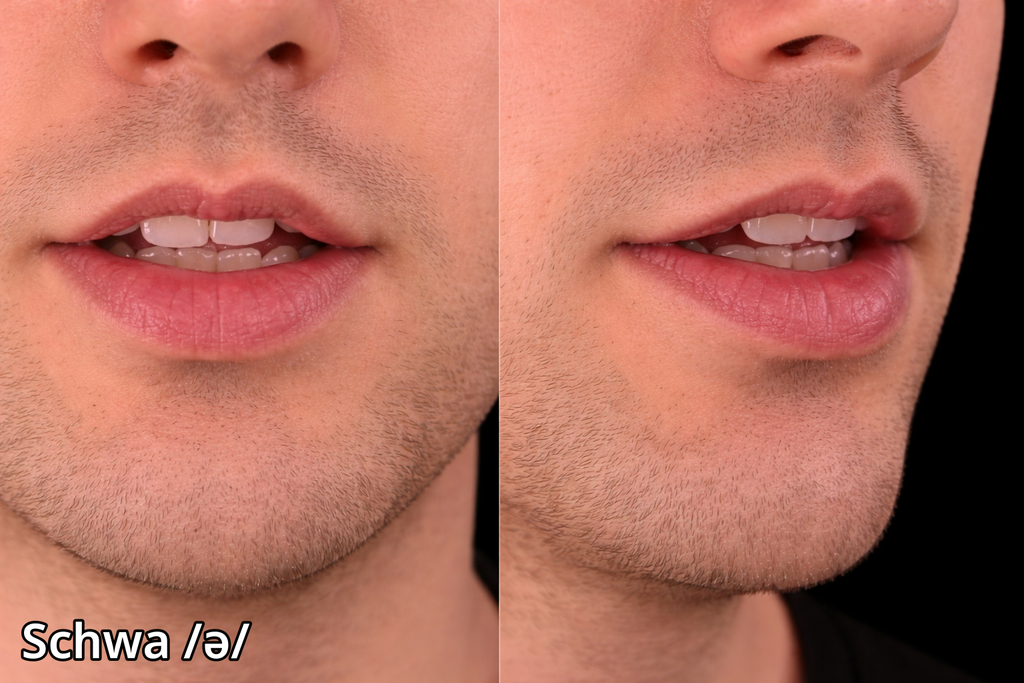
The schwa before R disappears — R becomes the vowel of the syllable. This is the 'er' sound without a distinct vowel before it.
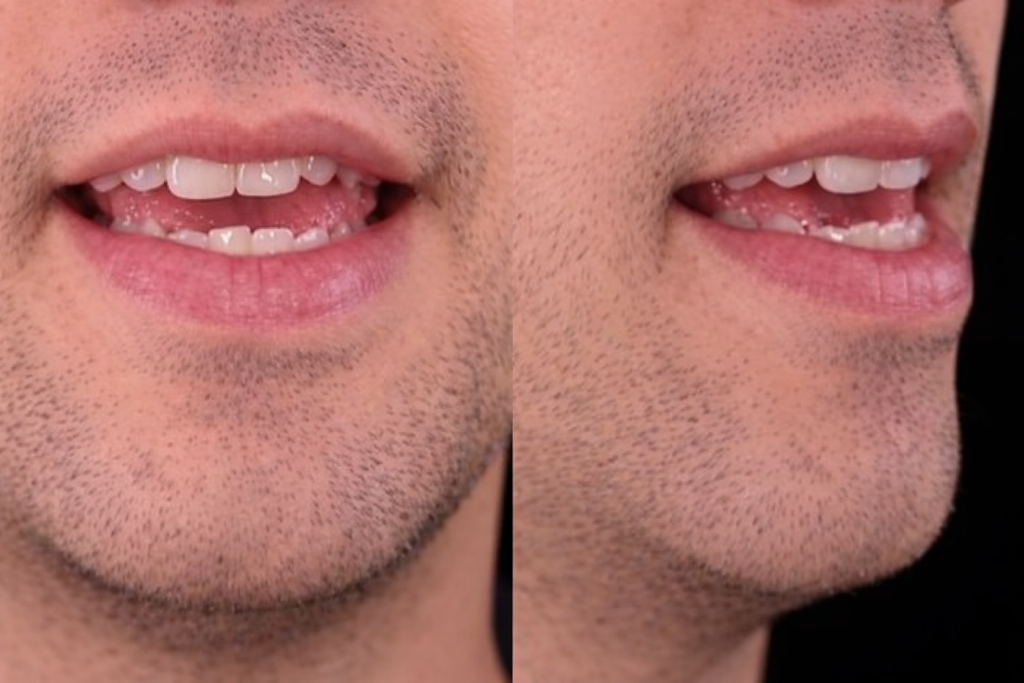
Pull the corners of your lips back slightly. Arch the middle-front of your tongue high toward the roof of the mouth.
The textbook way isn't wrong — it's just not how anyone actually says it.
Stress falls on the first syllable, not the others. Stretch RAH — keep everything else short and quick.
Don't pronounce the first syllable too fully. The unstressed syllable reduces to a schwa — the lazy "uh" sound — in casual speech.

SayWaader is the AI pronunciation coach for American English. Practice 5 minutes a day. Get a 5-axes accent assessment. Sound like you live here.