s/s/
Place your tongue tip near the roof of your mouth behind your top teeth. Push air through the narrow gap. No voicing.
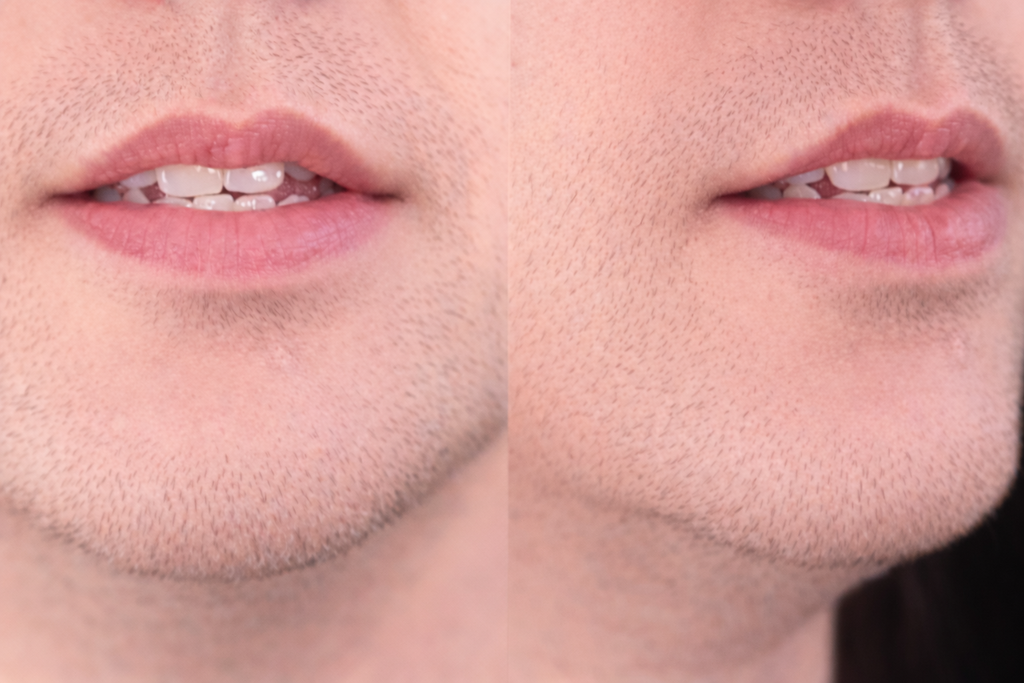
Americans pronounce swam as SWAM (/swæm/). In "swam", the "a" vowel before M or N raises and fronts toward [eə] — the tongue pulls up and forward, breaking the vowel into a tense glide as it anticipates the nasal. This is called the Cat-Vowel Before M/N, and it's why Americans sound more relaxed than the textbook. It comes out as SWAM. You'll hear it in sentences like "The white whale swam where water was warm" or "The dolphin gathered in a pod and swam near the boat" — more examples below.
Record yourself saying "swam" and play it back. The mic stays on your device — nothing's uploaded.
1 syllable, 4 sounds. Explore each sound's mouth shape and how it's made.
Place your tongue tip near the roof of your mouth behind your top teeth. Push air through the narrow gap. No voicing.
Round your lips into a tight circle. Lift the back of your tongue toward the soft palate and add voice.
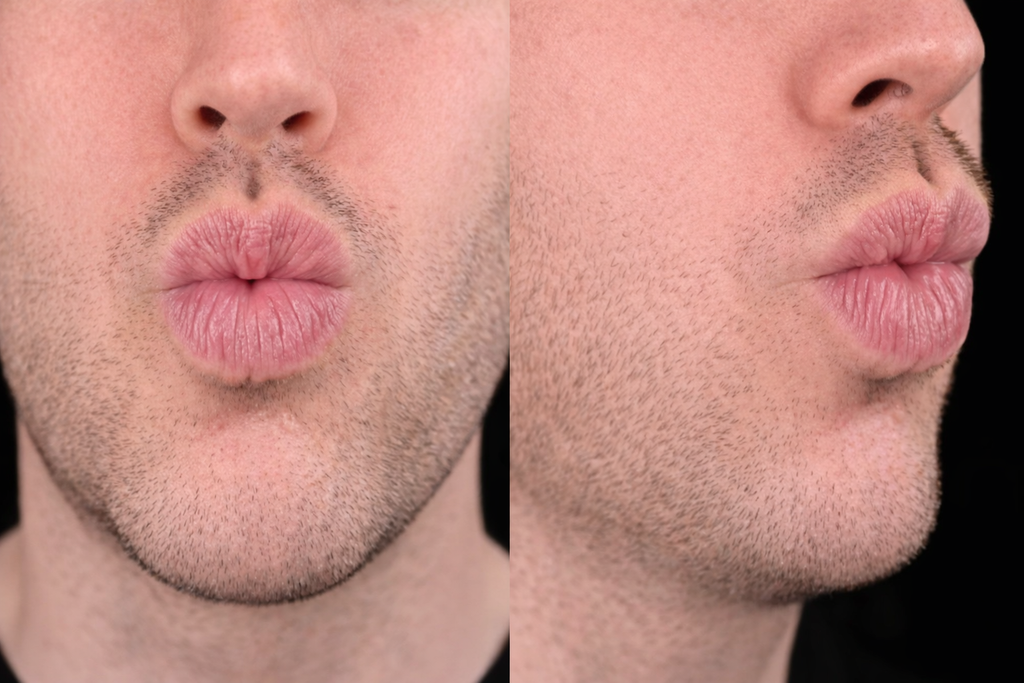
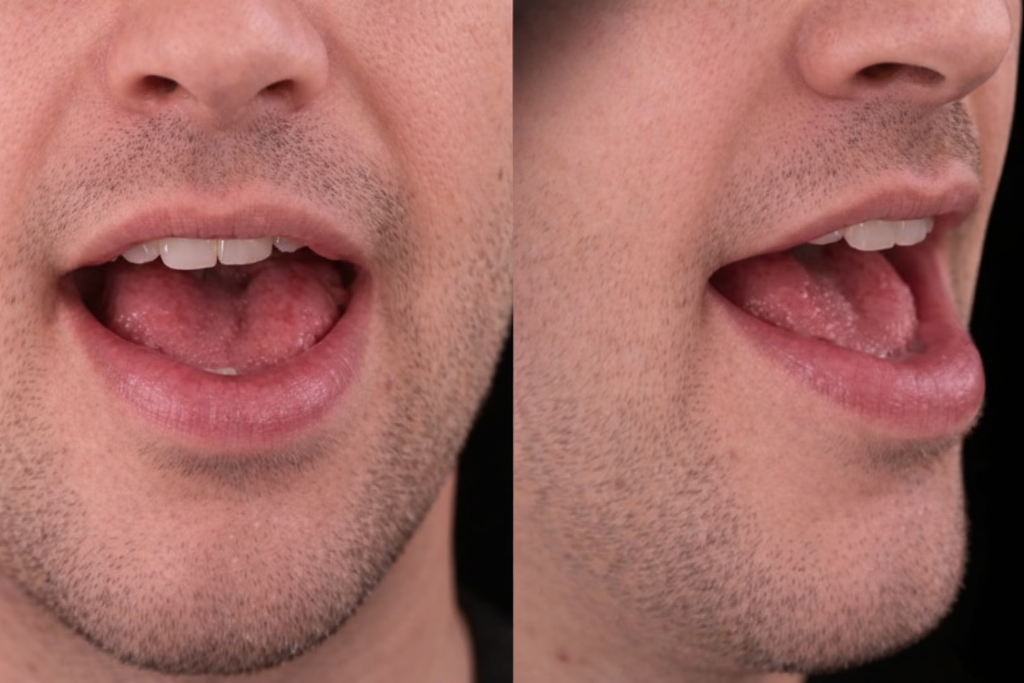
The tongue relaxes down in the back and the corners of the lips relax before the consonant. This adds a schwa-like 'uh' relaxation after the /æ/. Think of it as 'relaxing out of the vowel' — it is no longer a pure /æ/ sound.
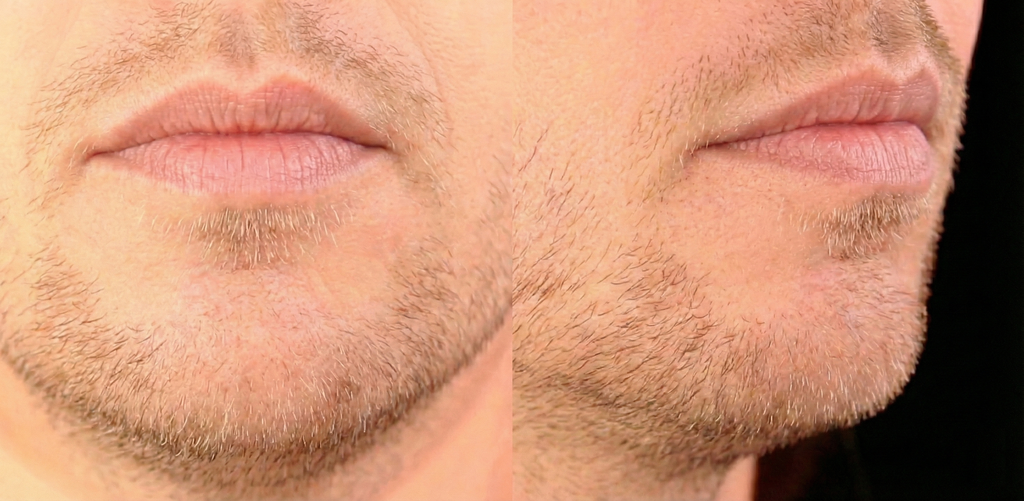
Press your lips together. Air flows through your nose. Vocal cords vibrate.
Click any sentence to see the full breakdown — every link, every reduction, every flap-T.
The textbook way isn't wrong — it's just not how anyone actually says it.
In "swam", the "a" vowel before M or N raises and fronts toward [eə] — the tongue pulls up and forward, breaking the vowel into a tense glide as it anticipates the nasal. The "/æ/" vowel raises and fronts before M or N — tongue pulls up and forward, producing a tense [eə] glide (between /e/ and /ə/). Not a pure /æ/.

SayWaader is the AI pronunciation coach for American English. Practice 5 minutes a day. Get a 5-axes accent assessment. Sound like you live here.