How to pronounce despite in American English

IPA /dəˈspaɪt/ Syllables 2 · duh·spahyt Stress 2nd syllable
duh·SPAHYT
Start here

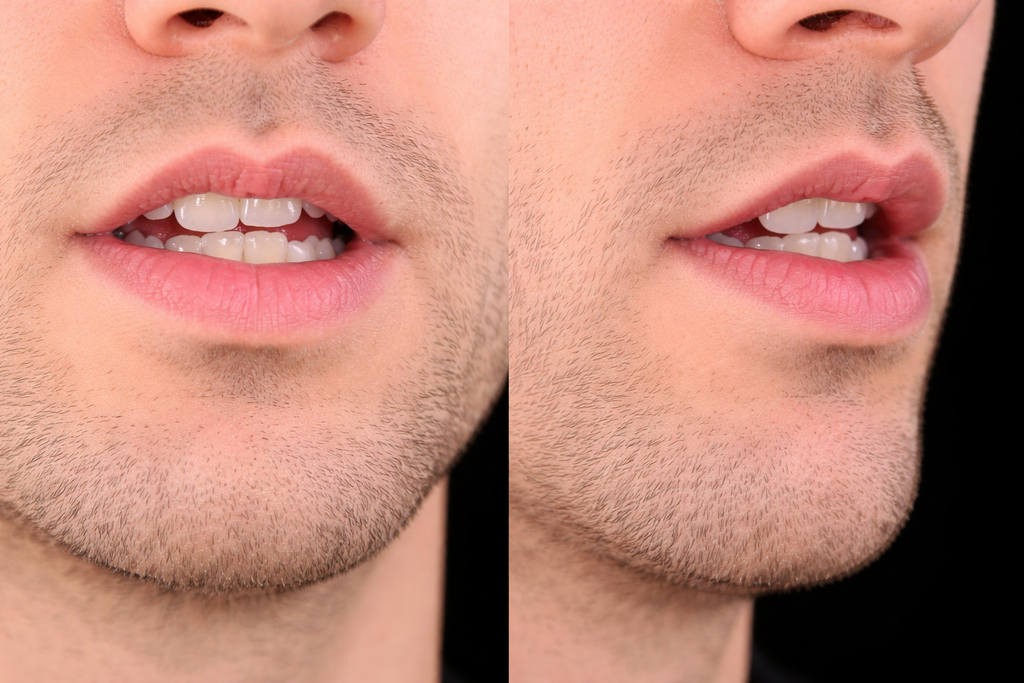
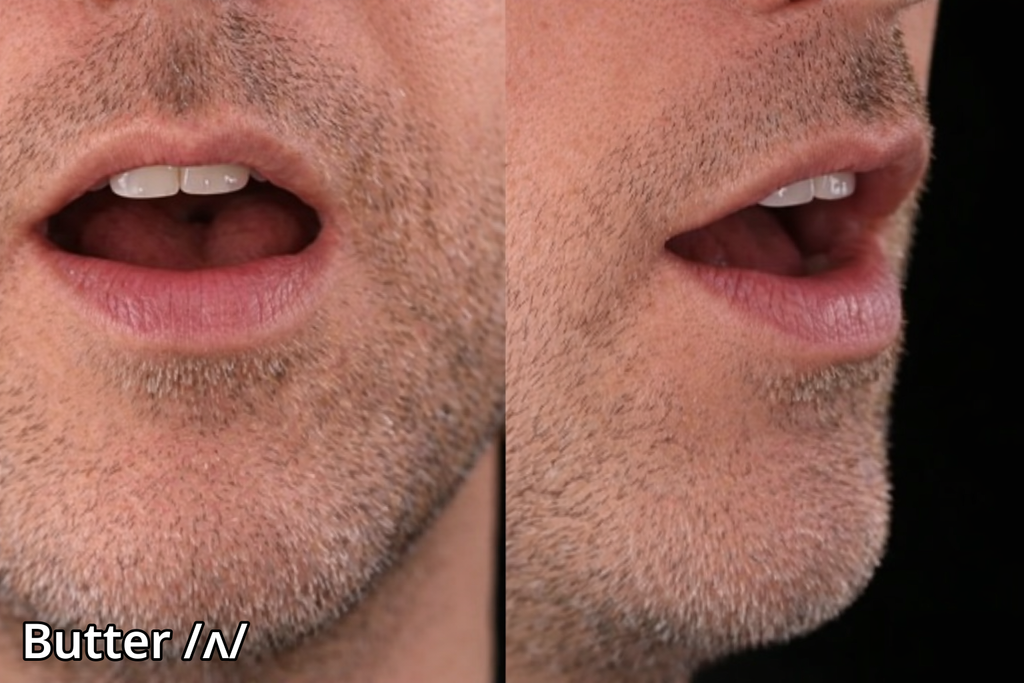
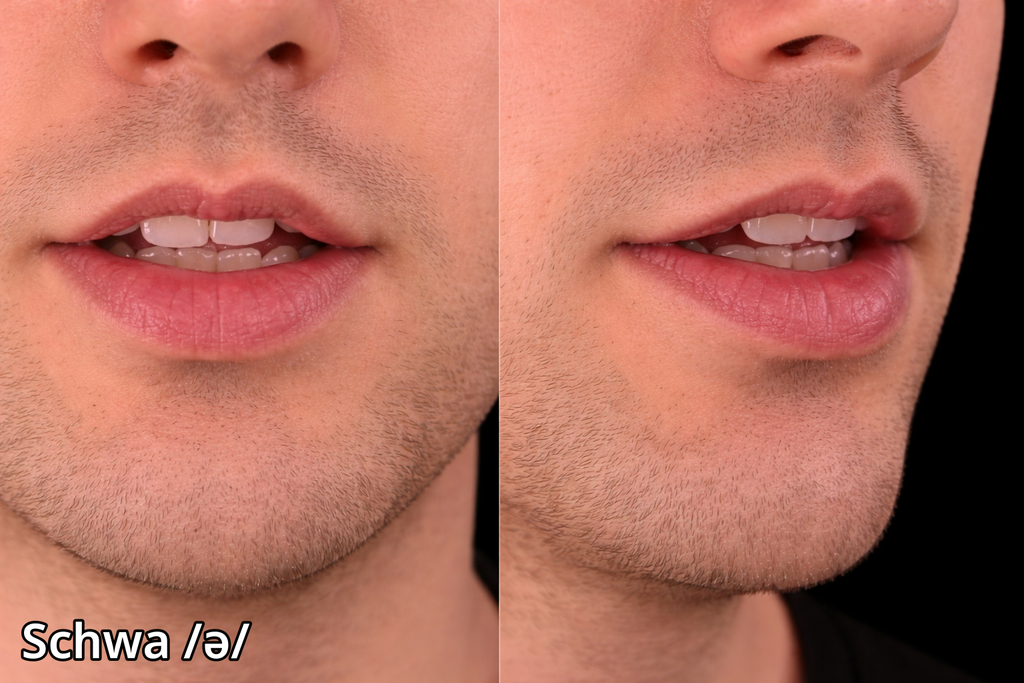
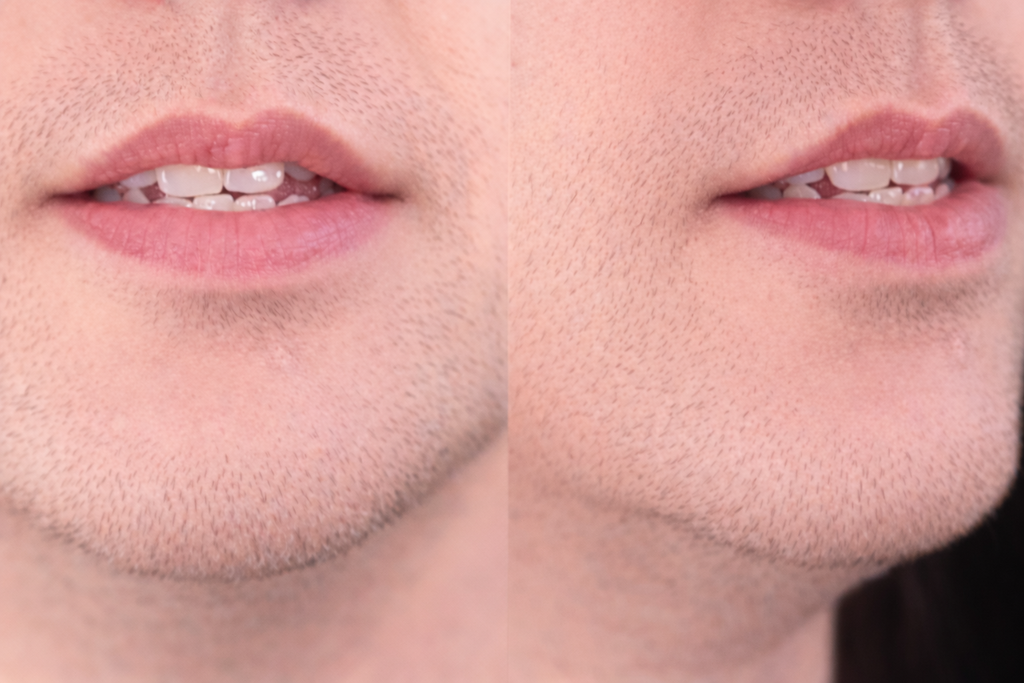
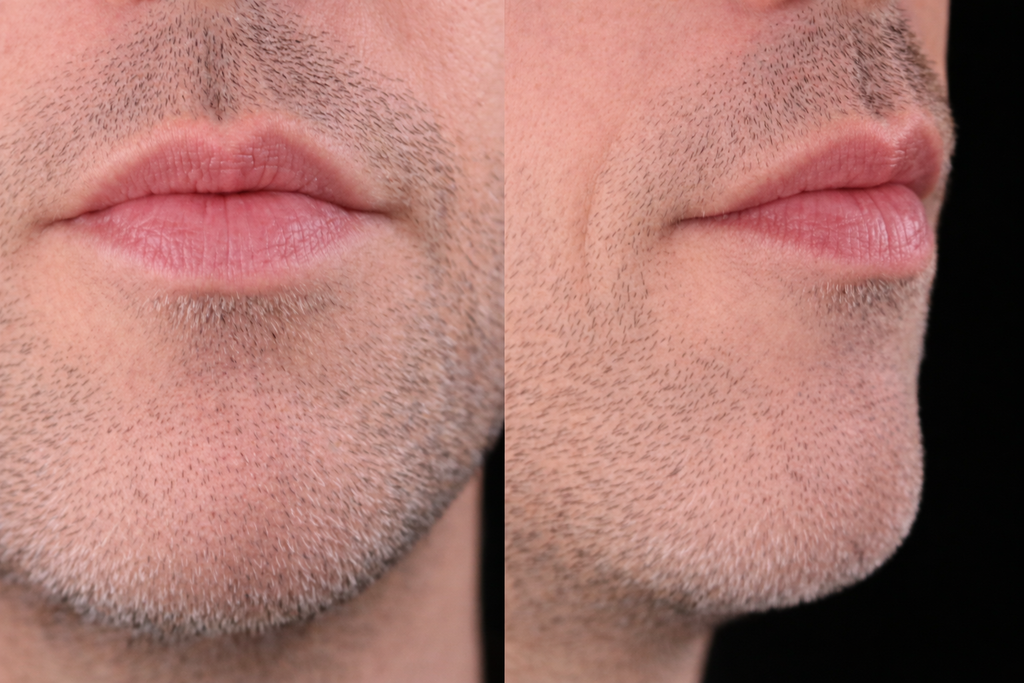
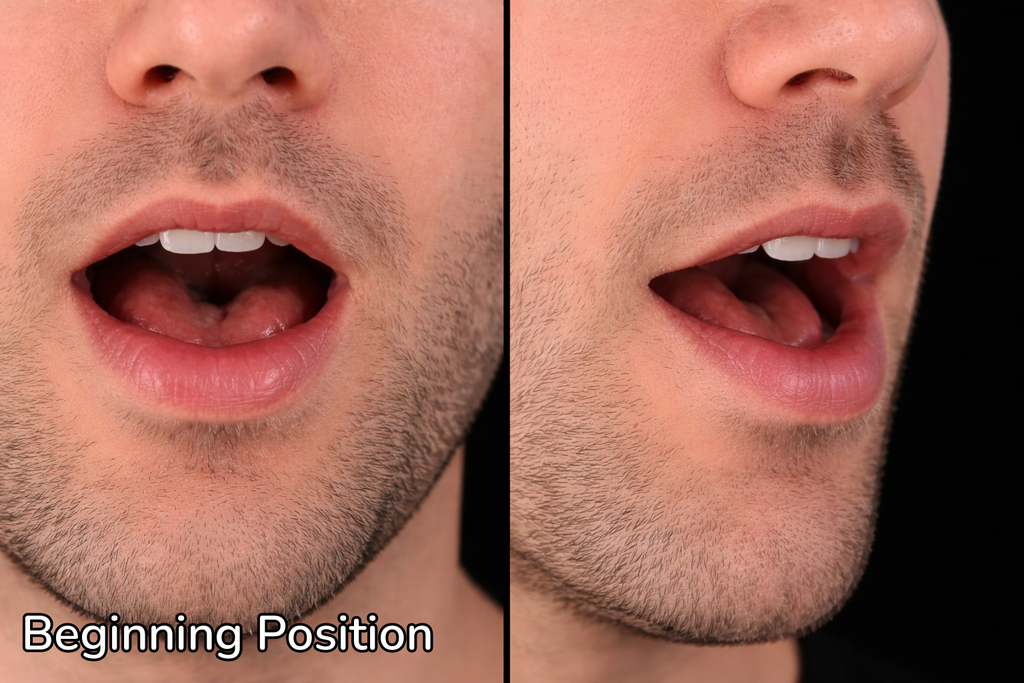
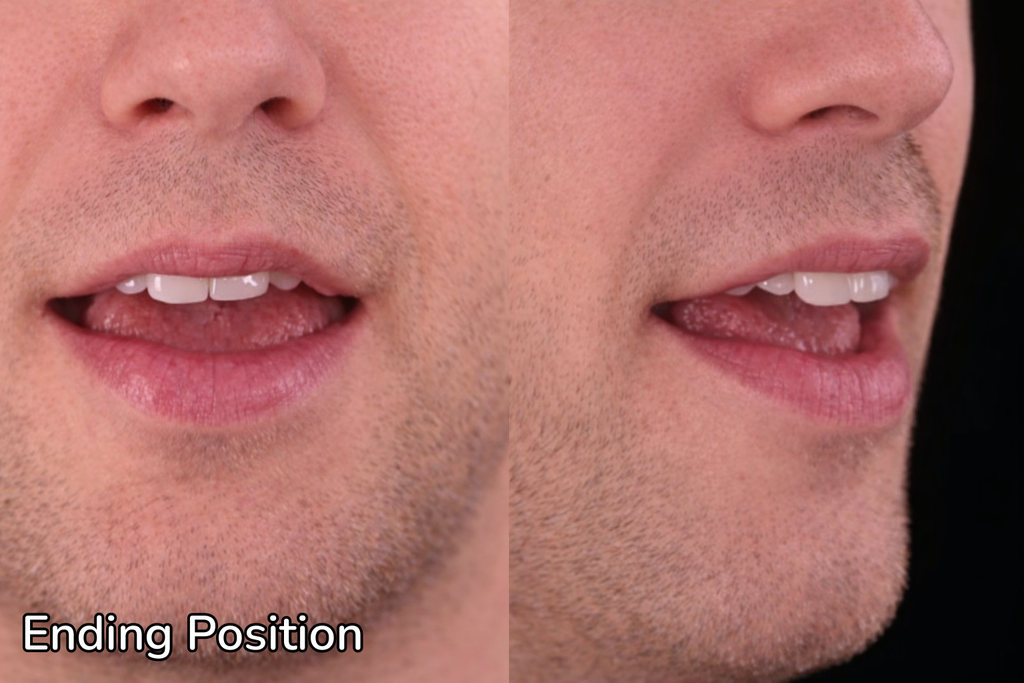
Americans pronounce despite as duh-SPAHYT (/dəˈspaɪt/). The unstressed syllable reduces to a lazy schwa — almost a quick "uh" — instead of being pronounced fully. Stress falls on the second syllable — keep everything else short and quick.

Now you try.

Record yourself saying "despite" and play it back. The mic stays on your device — nothing's uploaded.

Ready when you are
Tap the mic to start
Preview your accent profile

Get your accent profile and 5-axes assessment.

Sounds
75%
Clarity
68%
Stress
78%
Intonation
65%
Fluency
62%

Overall assessment

Our AI coach listens to your recording and grades 5 dimensions of pronunciation — then tells you exactly what to fix next.

72% Noticeable accent

Common mistakes

Releasing the final consonant with a puff of air.

In "despite", the "" is not released — the articulators get into position but hold without the burst of air. Air stops but there's no release burst — the articulators hold position.

Stressing the wrong syllable.

Stress falls on the second syllable, not the others. Stretch SPAHYT — keep everything else short and quick.

Unlock the full report in the app
Why it sounds different

Why "despite" sounds like duh·SPAHYT.

In "despite", the "" is not released — the articulators get into position but hold without the burst of air. This is called the Unreleased Stops, a hallmark of natural-sounding American speech. It comes out as duh·SPAHYT.

In real conversation

Hear "despite" in the wild.

Click any sentence to see the full breakdown — every link, every reduction, every flap-T.

"Diplomatic channels remain open despite the ongoing disagreements."
dih·pluh·MA·tuhk CHA·nuhlz ruh·MAYN OH·puhn duh·SPAHYT dhee AHN·goh·uhng dih·suh·GREE·muhnts
"He showed remarkable resilience despite facing numerous setbacks."
hee SHOHD ruh·MAR·kuh·buhl ruh·ZIHL·yuhns duh·SPAHYT FAY·suhng NOO·muh·ruhs SEHT·baks
"Thank you for being patient with me despite my shortcomings."
THANGK yoo fer BEE·uhng PAY·shuhnt wihth mee duh·SPAHYT mahy SHORT·kuh·muhngz
"The governor signed the executive order despite strong opposition."
dhuh GUH·ver·ner SAHYND dhee uhg·ZEH·kyuh·tuhv OR·der duh·SPAHYT STRAHNG ah·puh·ZIH·shuhn
"The stock portfolio has performed well despite the market volatility."
dhuh STAHK port·FOH·lee·oh huhz per·FORMD wehl duh·SPAHYT dhuh MAR·kuht vah·luh·TIH·luh·tee
"The team spirit remained high despite the tough loss."
dhuh TEEM SPIH·ruht ruh·MAYND HAHY duh·SPAHYT dhuh TUHF LAHS
Watch out

Common pronunciation mistakes in American English.

The textbook way isn't wrong — it's just not how anyone actually says it.

01

Releasing the final consonant with a puff of air.

In "despite", the "" is not released — the articulators get into position but hold without the burst of air. Air stops but there's no release burst — the articulators hold position.

despiteduh·SPAHYT
02

Stressing the wrong syllable.

Stress falls on the second syllable, not the others. Stretch SPAHYT — keep everything else short and quick.

DUH·spahytduh·SPAHYT
03

Pronouncing the first syllable too fully.

Don't pronounce the first syllable too fully. The unstressed syllable reduces to a schwa — the lazy "uh" sound — in casual speech.

DUH·SPAHYTduh·SPAHYT
Questions

Questions people ask about this.

How is "despite" stressed in American English?
Stress falls on the second syllable — say "SPAHYT" with a longer, fuller vowel and keep every other syllable short and quick. The respell "duh-SPAHYT" marks the stressed syllable in capitals so the rhythm is easy to read at a glance.
Why does the first syllable in "despite" reduce to "uh"?
Unstressed syllables in American English collapse toward a schwa — a lazy, neutral "uh" sound. The full vowel is what textbooks teach, but in actual American speech every unstressed vowel reduces. The respell "duh-SPAHYT" shows the reduced form so you can hear the casual rhythm directly.
Is the American pronunciation of "despite" different from British English?
American English uses different vowel shapes, a relaxed retroflex R, and connected-speech tricks like flap-T and glottal-stop T that British Received Pronunciation generally avoids. The respell "duh-SPAHYT" reflects the casual American form; British dictionaries typically print a citation form with crisper consonants and different vowel choices.

Stop reading about "despite". Start saying it.

SayWaader is the AI pronunciation coach for American English. Practice 5 minutes a day. Get a 5-axes accent assessment. Sound like you live here.