How to pronounce hide in American English

IPA /haɪd/ Syllables 1 · hahyd Stress 1st syllable
HAHYD
Start here

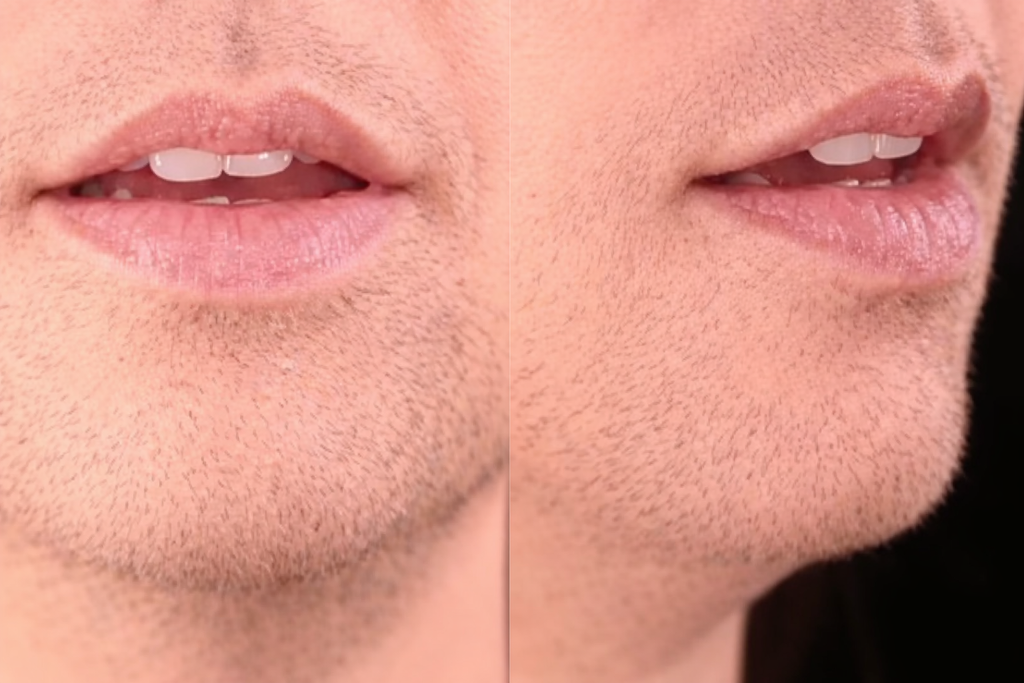
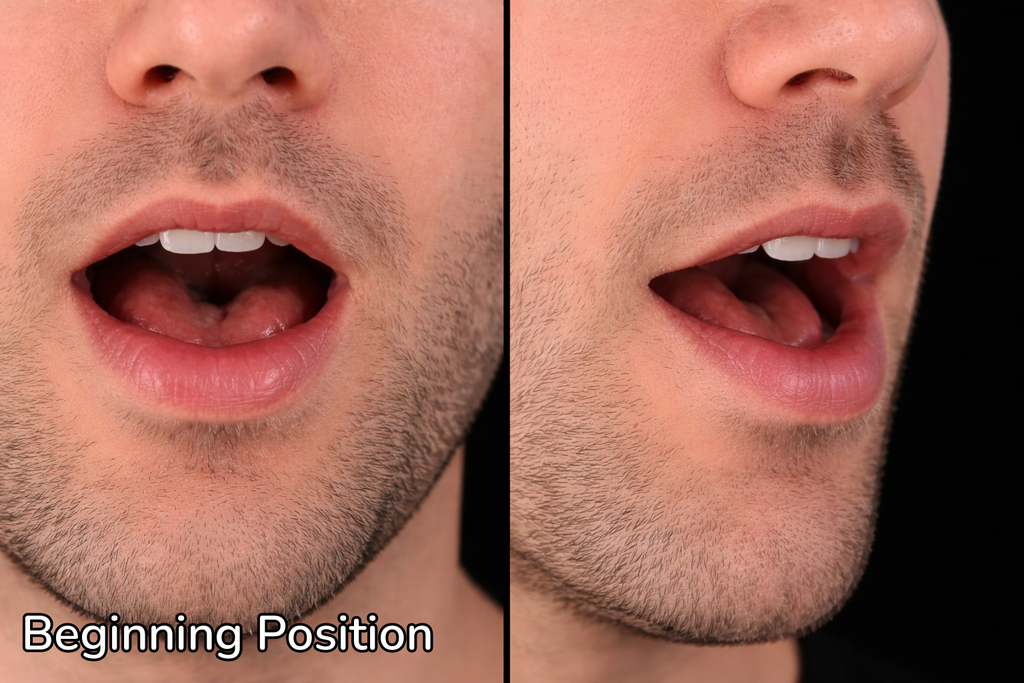
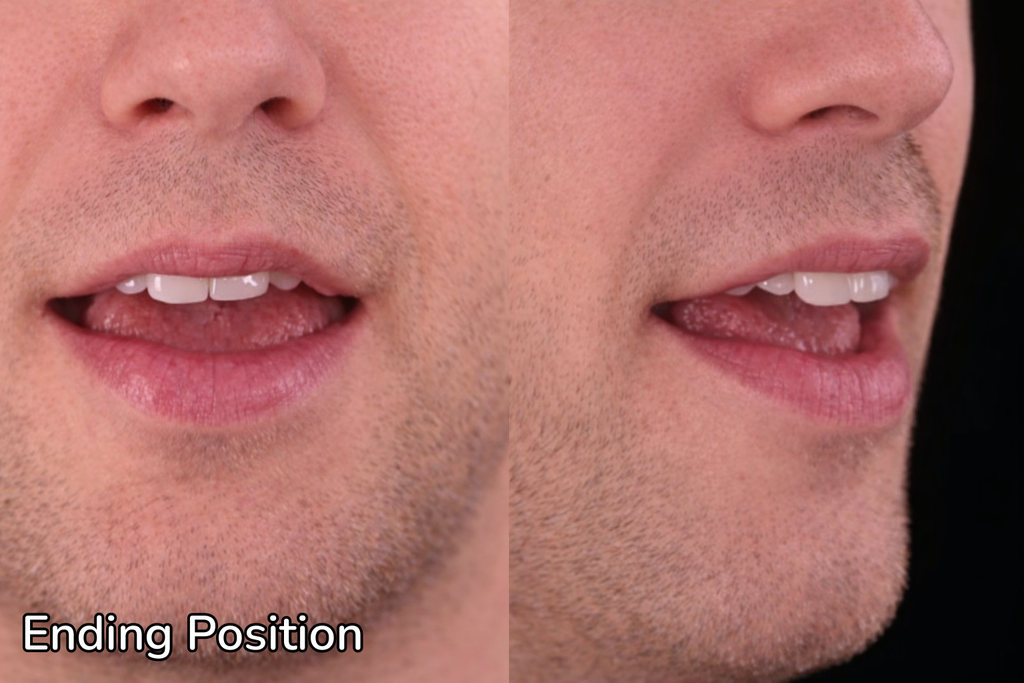
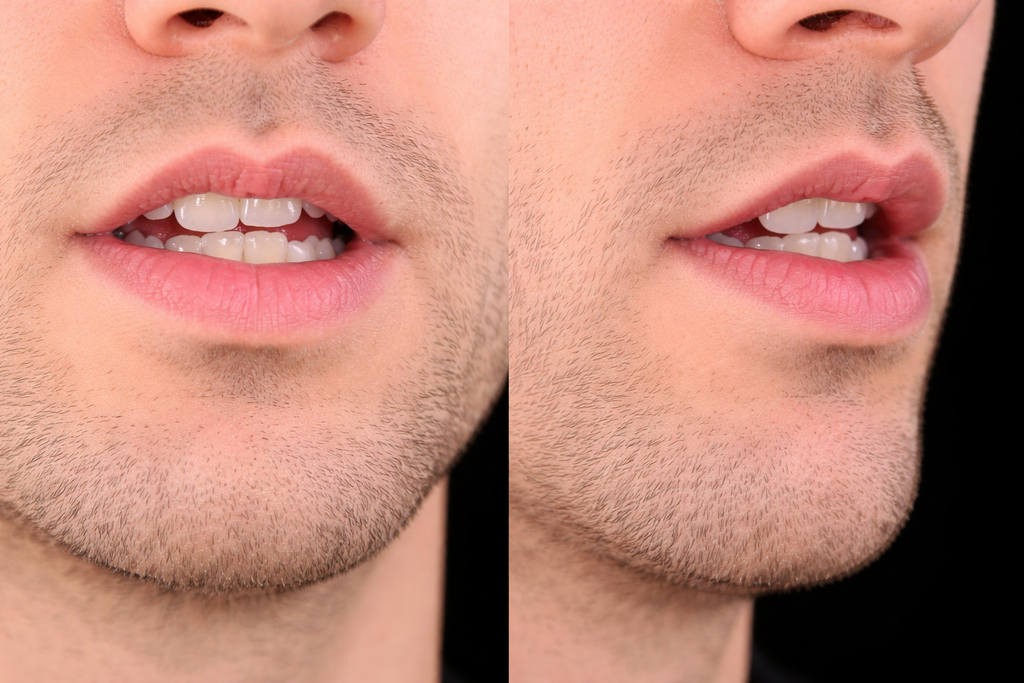
Americans pronounce hide as HAHYD (/haɪd/).

Now you try.

Record yourself saying "hide" and play it back. The mic stays on your device — nothing's uploaded.

Ready when you are
Tap the mic to start
Preview your accent profile

Get your accent profile and 5-axes assessment.

Sounds
75%
Clarity
68%
Stress
78%
Intonation
65%
Fluency
62%

Overall assessment

Our AI coach listens to your recording and grades 5 dimensions of pronunciation — then tells you exactly what to fix next.

72% Noticeable accent

Common mistakes

Releasing the final consonant with a puff of air.

In "hide", the "" is not released — the articulators get into position but hold without the burst of air. Air stops but there's no release burst — the articulators hold position.

Unlock the full report in the app
Why it sounds different

Why "hide" sounds like HAHYD.

In "hide", the "" is not released — the articulators get into position but hold without the burst of air. This is called the Unreleased Stops, a small move that separates 'classroom' from 'native'. It comes out as HAHYD.

In real conversation

Hear "hide" in the wild.

Click any sentence to see the full breakdown — every link, every reduction, every flap-T.

"Hide behind the house."
HAHYD buh·HAHYND dhuh HOWS
"The octopus uses camouflage to hide from predators."
dhee AHK·tuh·puhs YOO·zuhz KA·muh·flahzh tuh HAHYD fruhm PREH·duh·terz
"The truth is that I have nothing to hide."
dhuh TROOTH ihz dhat ahy hav NUH·thuhng tuh HAHYD
Watch out

Common pronunciation mistakes in American English.

The textbook way isn't wrong — it's just not how anyone actually says it.

01

Releasing the final consonant with a puff of air.

In "hide", the "" is not released — the articulators get into position but hold without the burst of air. Air stops but there's no release burst — the articulators hold position.

hideHAHYD
Questions

Questions people ask about this.

Is the American pronunciation of "hide" different from British English?
American English uses different vowel shapes, a relaxed retroflex R, and connected-speech tricks like flap-T and glottal-stop T that British Received Pronunciation generally avoids. The respell "HAHYD" reflects the casual American form; British dictionaries typically print a citation form with crisper consonants and different vowel choices.

Stop reading about "hide". Start saying it.

SayWaader is the AI pronunciation coach for American English. Practice 5 minutes a day. Get a 5-axes accent assessment. Sound like you live here.