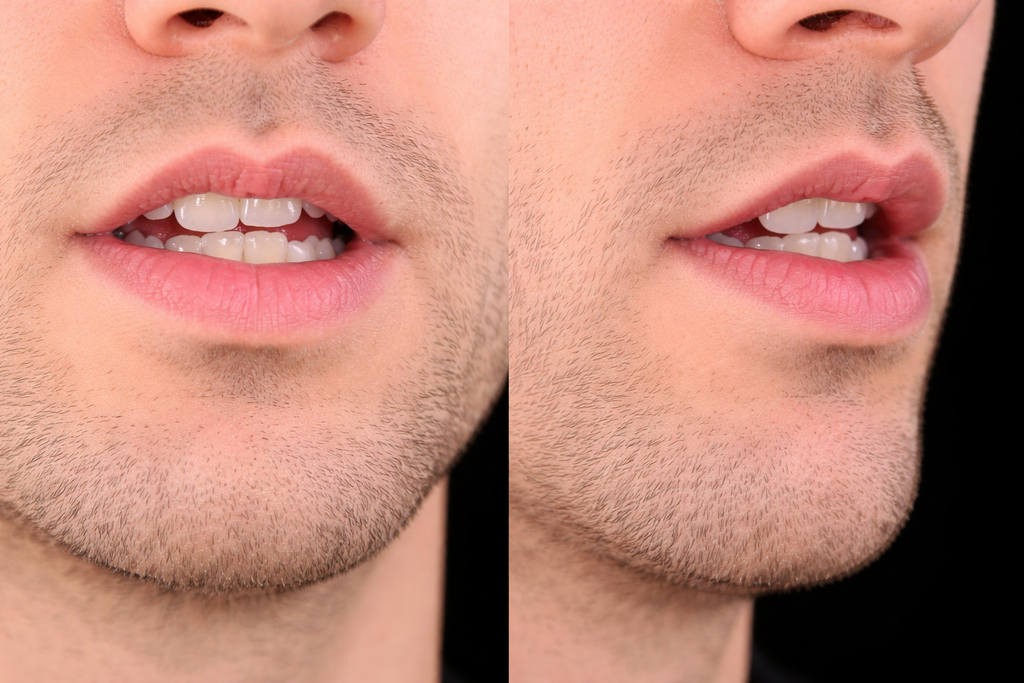
How to pronounce increased in American English

IPA /ənˈkrist/ Syllables 2 · uhn·kreest Stress 2nd syllable
uhn·KREEST
Start here

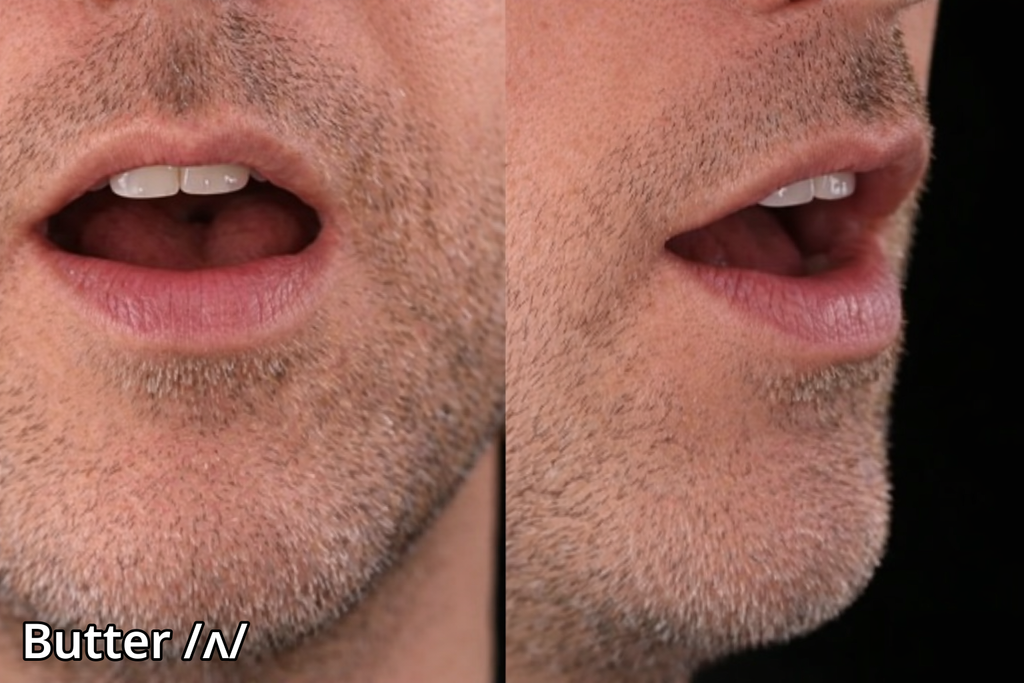
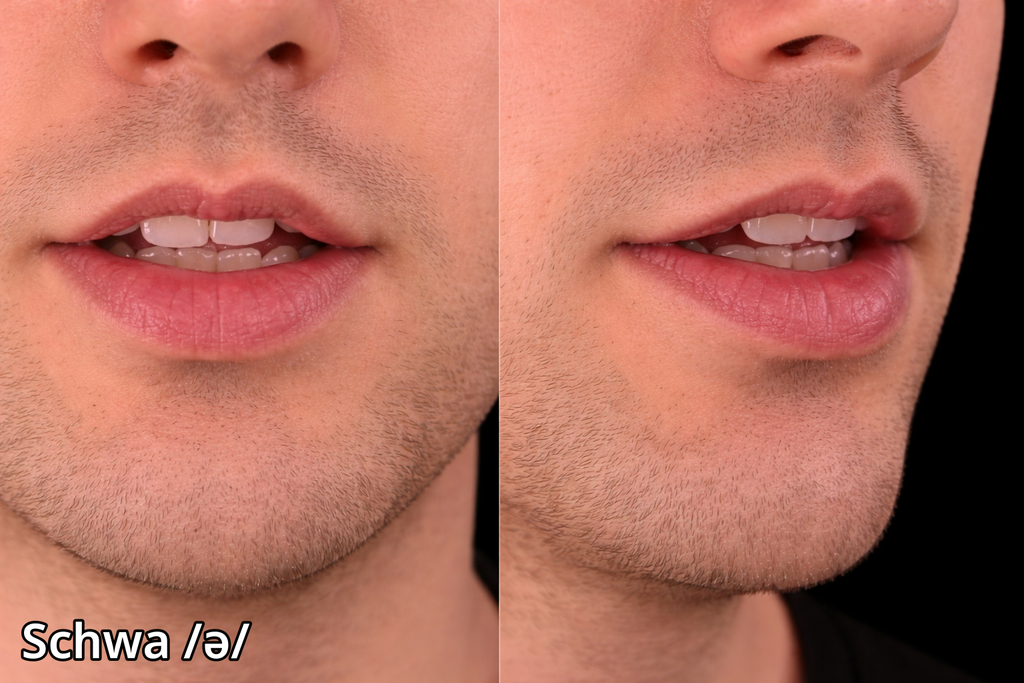
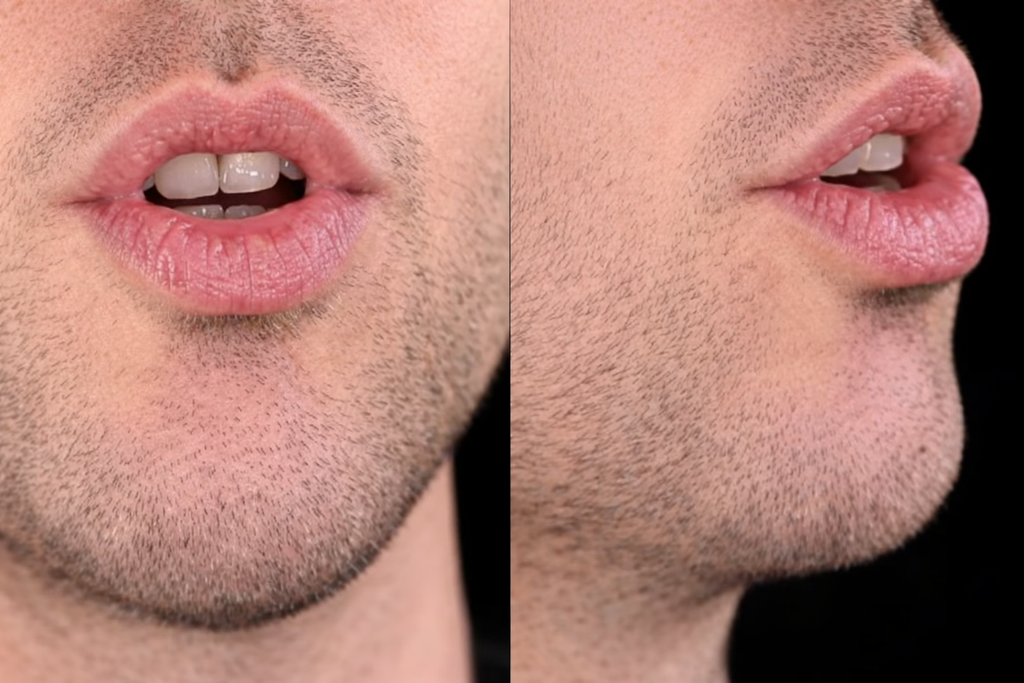
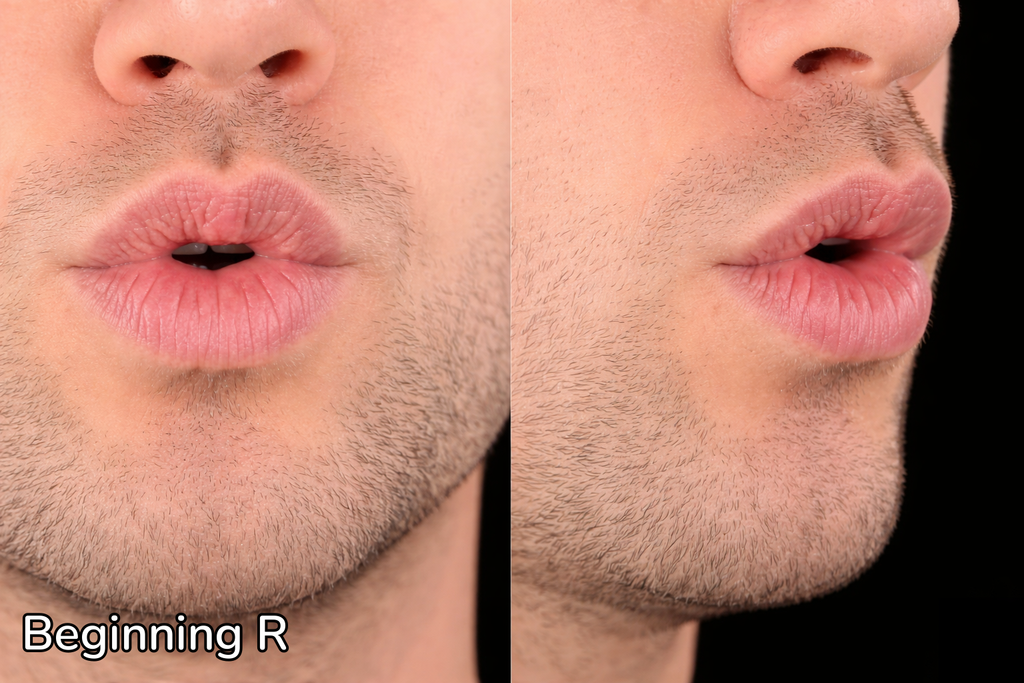
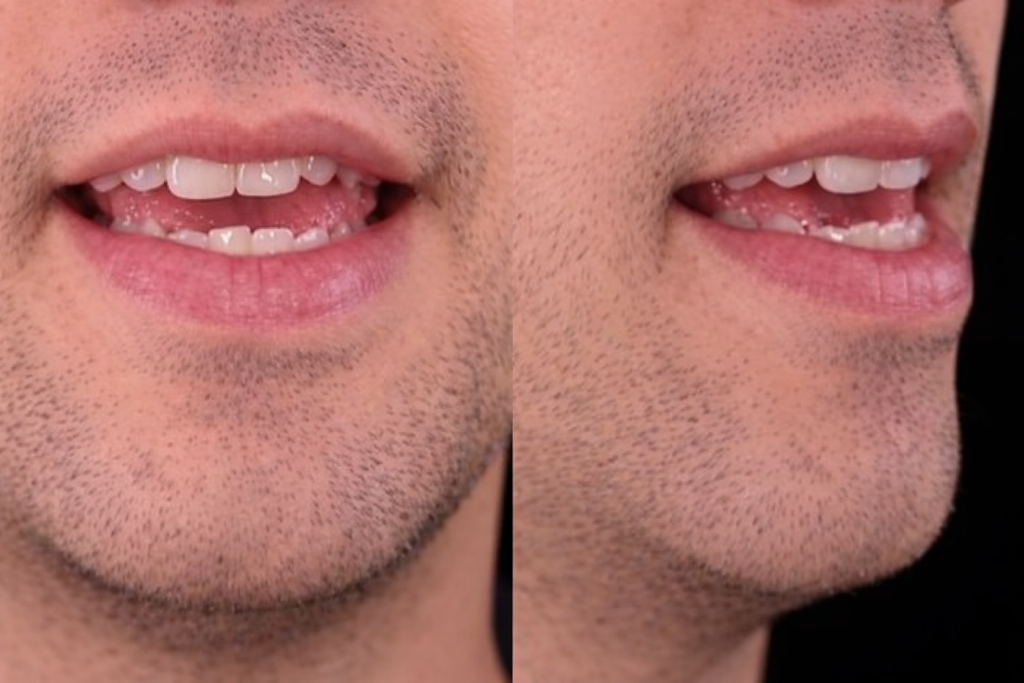
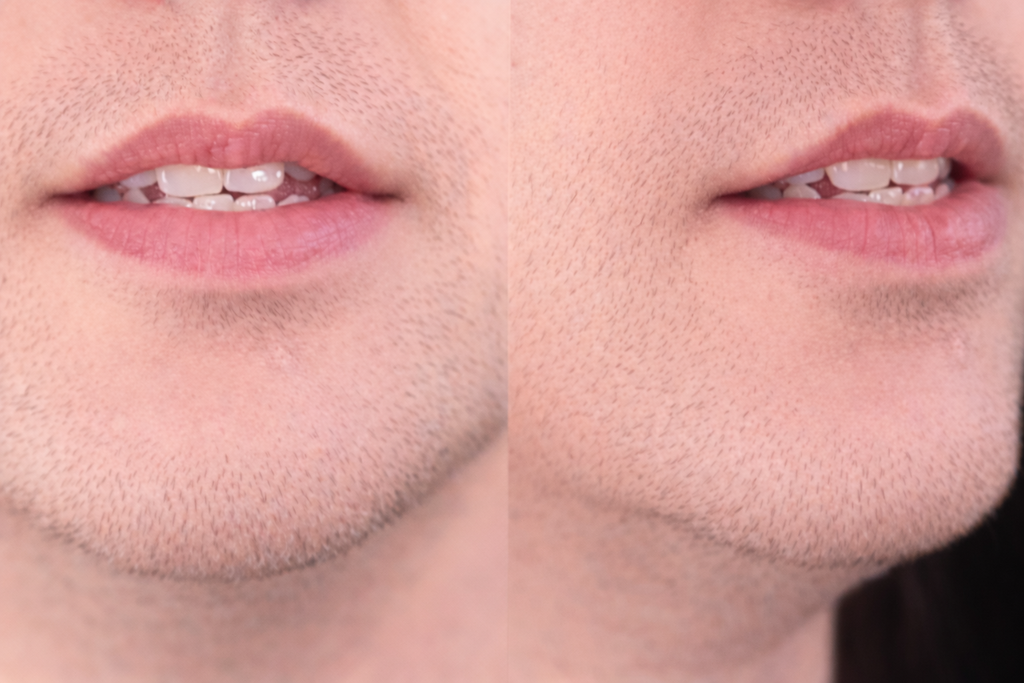
Americans pronounce increased as uhn-KREEST (/ənˈkrist/). The unstressed syllable reduces to a lazy schwa — almost a quick "uh" — instead of being pronounced fully. Stress falls on the second syllable — keep everything else short and quick.

Now you try.

Record yourself saying "increased" and play it back. The mic stays on your device — nothing's uploaded.

Ready when you are
Tap the mic to start
Preview your accent profile

Get your accent profile and 5-axes assessment.

Sounds
75%
Clarity
68%
Stress
78%
Intonation
65%
Fluency
62%

Overall assessment

Our AI coach listens to your recording and grades 5 dimensions of pronunciation — then tells you exactly what to fix next.

72% Noticeable accent

Common mistakes

Stressing the wrong syllable.

Stress falls on the second syllable, not the others. Stretch KREEST — keep everything else short and quick.

Pronouncing the first syllable too fully.

Don't pronounce the first syllable too fully. The unstressed syllable reduces to a schwa — the lazy "uh" sound — in casual speech.

Unlock the full report in the app
Why it sounds different

Why "increased" sounds like uhn·KREEST.

The "" at the end of "" flows directly into the vowel starting "" — the consonant migrates to the next word with no pause between. This is called the Consonant-to-Vowel Linking, a tiny act of laziness that makes the rhythm feel right. It comes out as uhn·KREEST.

In real conversation

Hear "increased" in the wild.

Click any sentence to see the full breakdown — every link, every reduction, every flap-T.

"Cybersecurity threats have increased significantly in recent years."
sahy·ber·suh·KYUUR·uh·tee THREHTS huhv uhn·KREEST suhg·NIH·fuh·kuhnt·lee ihn REE·suhnt YEERZ
"Foreign investment in the technology sector has increased dramatically."
FOR·uhn ihn·VEHST·muhnt ihn dhuh tehk·NAH·luh·jee SEHK·ter huhz uhn·KREEST druh·MA·duh·klee
"Mental health awareness has increased significantly in recent years."
MEHN·tuhl HEHLTH uh·WAIR·nuhs huhz uhn·KREEST suhg·NIH·fuh·kuhnt·lee uhn REE·suhnt YEERZ
"Political polarization has increased dramatically in recent years."
puh·LIH·duh·kuhl poh·luh·ruh·ZAY·shuhn huhz uhn·KREEST druh·MA·duh·klee ihn REE·suhnt YEERZ
"Solar and wind power installations have increased exponentially."
SOH·ler and WIHND POW·er ihn·stuh·LAY·shuhnz huhv uhn·KREEST ehk·spuh·NEHN·shuh·lee
"The bus fare increased by fifty cents starting this month."
dhuh BUHS FAIR uhn·KREEST bahy FIHF·tee SEHNTS STAR·tuhng dhihs muhnth
Watch out

Common pronunciation mistakes in American English.

The textbook way isn't wrong — it's just not how anyone actually says it.

01

Stressing the wrong syllable.

Stress falls on the second syllable, not the others. Stretch KREEST — keep everything else short and quick.

UHN·kreestuhn·KREEST
02

Pronouncing the first syllable too fully.

Don't pronounce the first syllable too fully. The unstressed syllable reduces to a schwa — the lazy "uh" sound — in casual speech.

UHN·KREESTuhn·KREEST
Questions

Questions people ask about this.

How is "increased" stressed in American English?
Stress falls on the second syllable — say "KREEST" with a longer, fuller vowel and keep every other syllable short and quick. The respell "uhn-KREEST" marks the stressed syllable in capitals so the rhythm is easy to read at a glance.
Why does the first syllable in "increased" reduce to "uh"?
Unstressed syllables in American English collapse toward a schwa — a lazy, neutral "uh" sound. The full vowel is what textbooks teach, but in actual American speech every unstressed vowel reduces. The respell "uhn-KREEST" shows the reduced form so you can hear the casual rhythm directly.
Is the American pronunciation of "increased" different from British English?
American English uses different vowel shapes, a relaxed retroflex R, and connected-speech tricks like flap-T and glottal-stop T that British Received Pronunciation generally avoids. The respell "uhn-KREEST" reflects the casual American form; British dictionaries typically print a citation form with crisper consonants and different vowel choices.

Stop reading about "increased". Start saying it.

SayWaader is the AI pronunciation coach for American English. Practice 5 minutes a day. Get a 5-axes accent assessment. Sound like you live here.