m/m/
Press your lips together. Air flows through your nose. Vocal cords vibrate.
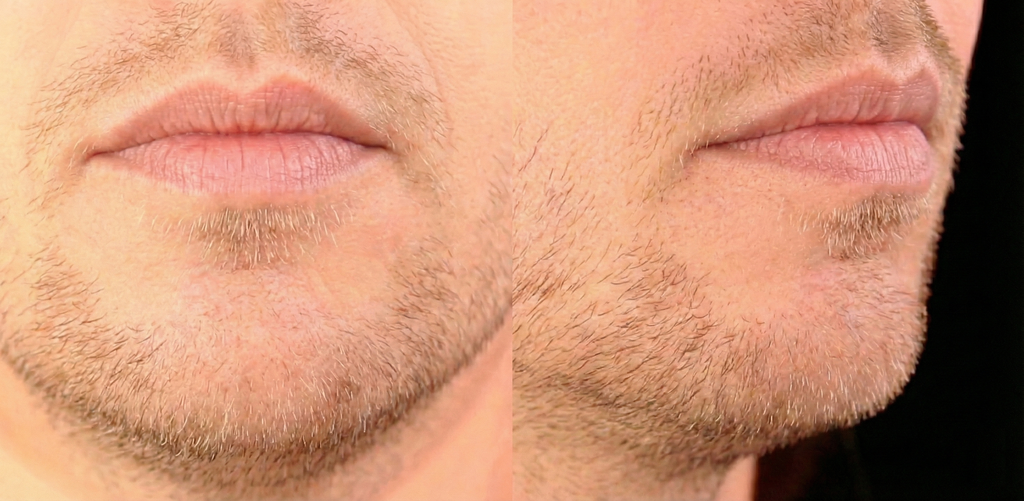
Americans pronounce missed as MIHST (/mɪst/). You'll hear it in sentences like "Many members missed the Monday morning memo" or "She missed the bus and had to wait for the next one" — more examples below.
Record yourself saying "missed" and play it back. The mic stays on your device — nothing's uploaded.
1 syllable, 4 sounds. Explore each sound's mouth shape and how it's made.
Press your lips together. Air flows through your nose. Vocal cords vibrate.
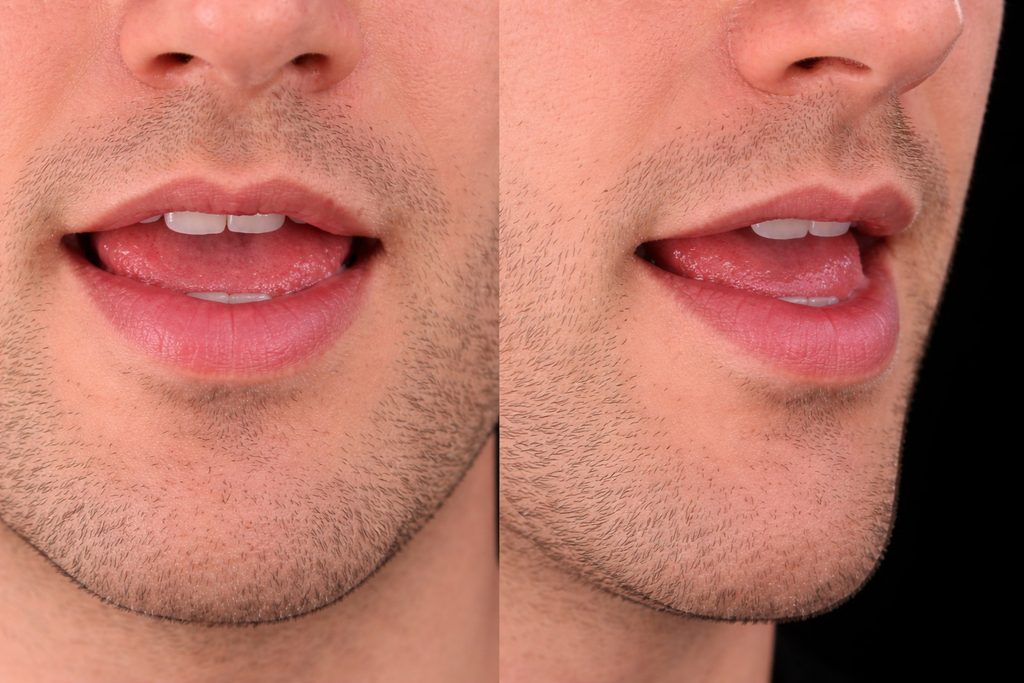
Drop your jaw slightly with relaxed lips. Touch the tongue tip behind the bottom front teeth and arch the top-front toward the roof.
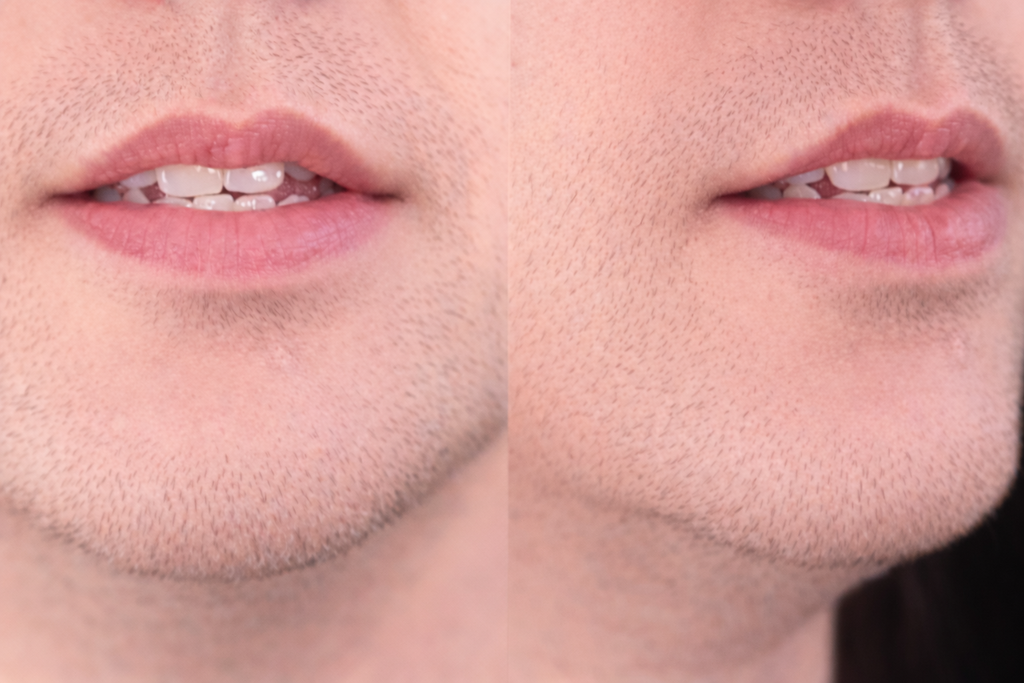
Place your tongue tip near the roof of your mouth behind your top teeth. Push air through the narrow gap. No voicing.
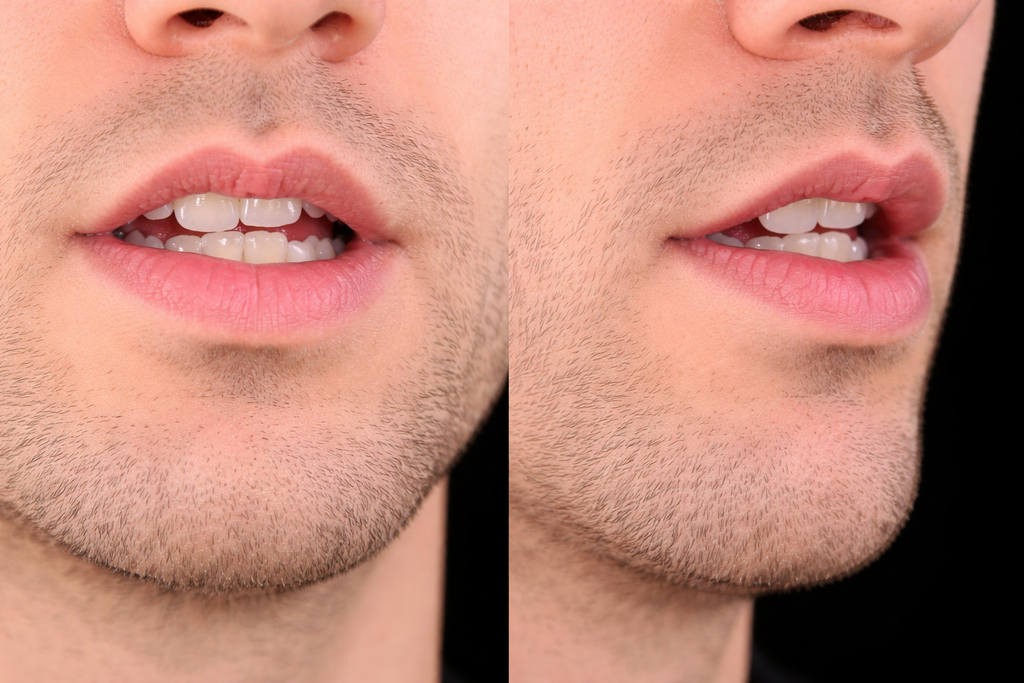
Touch the tip or front edge of your tongue to the roof of your mouth just behind your teeth. Keep your jaw relaxed. Stop the air, then release with a puff.
Click any sentence to see the full breakdown — every link, every reduction, every flap-T.

SayWaader is the AI pronunciation coach for American English. Practice 5 minutes a day. Get a 5-axes accent assessment. Sound like you live here.