How to pronounce filters in American English

IPA /ˈfɪltərz/ Syllables 2 · fihl·terz Stress 1st syllable
FIHL·terz
Start here

Americans pronounce filters as FIHL-terz (/ˈfɪltərz/). The L in "filters" is a dark L — the back of the tongue rises toward the soft palate, adding a small "uh" quality before the L. This is called the Dark L vs Light L, and it's one of the defining features of casual American English. It comes out as FIHL·terz. Stress falls on the first syllable — keep everything else short and quick. You'll hear it in sentences like "The clam filters food from the water as it passes by".

Now you try.

Record yourself saying "filters" and play it back. The mic stays on your device — nothing's uploaded.

Ready when you are
Tap the mic to start
Preview your accent profile

Get your accent profile and 5-axes assessment.

Sounds
75%
Clarity
68%
Stress
78%
Intonation
65%
Fluency
62%

Overall assessment

Our AI coach listens to your recording and grades 5 dimensions of pronunciation — then tells you exactly what to fix next.

72% Noticeable accent

Common mistakes

Treating every L the same.

The L in "filters" is a dark L — the back of the tongue rises toward the soft palate, adding a small "uh" quality before the L. Dark L adds a small schwa-like "uh" before the L. The back of the tongue lifts toward the soft palate.

Stressing the wrong syllable.

Stress falls on the first syllable, not the others. Stretch FIHL — keep everything else short and quick.

Unlock the full report in the app
Sound by sound

Every sound in "filters".

2 syllables, 6 sounds. Tap a syllable to jump to its row, then explore each sound's mouth shape and how it's made.

f/f/

Lift your bottom lip to touch the very bottom of your top front teeth. Blow air through this contact point without voicing.
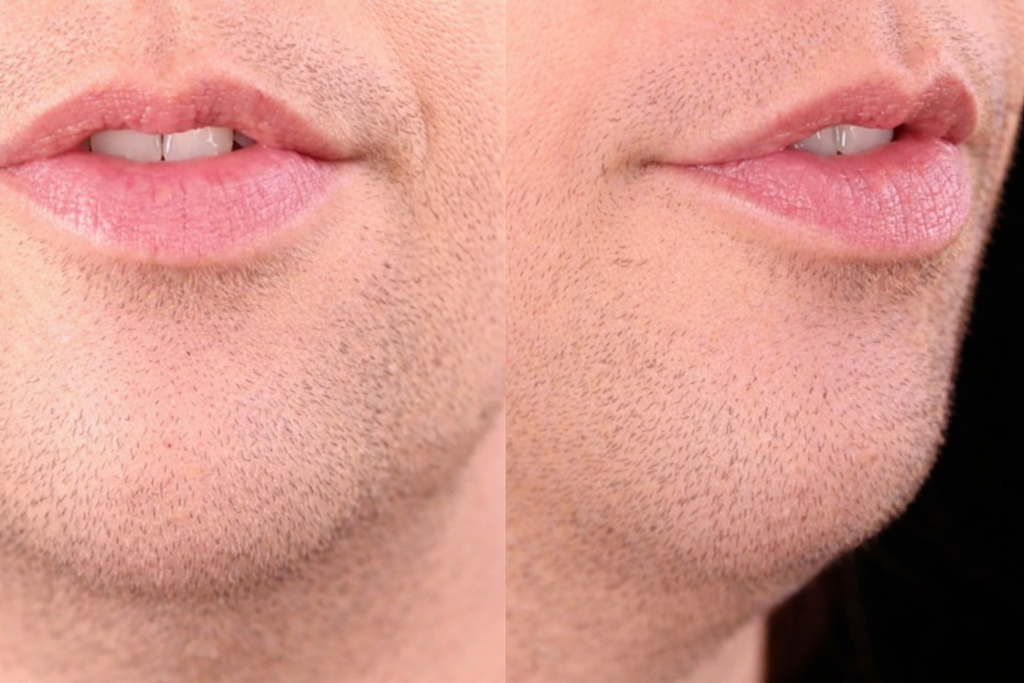
Mouth position for /f/ as in FAN
ih/ɪ/

Drop your jaw slightly with relaxed lips. Touch the tongue tip behind the bottom front teeth and arch the top-front toward the roof.
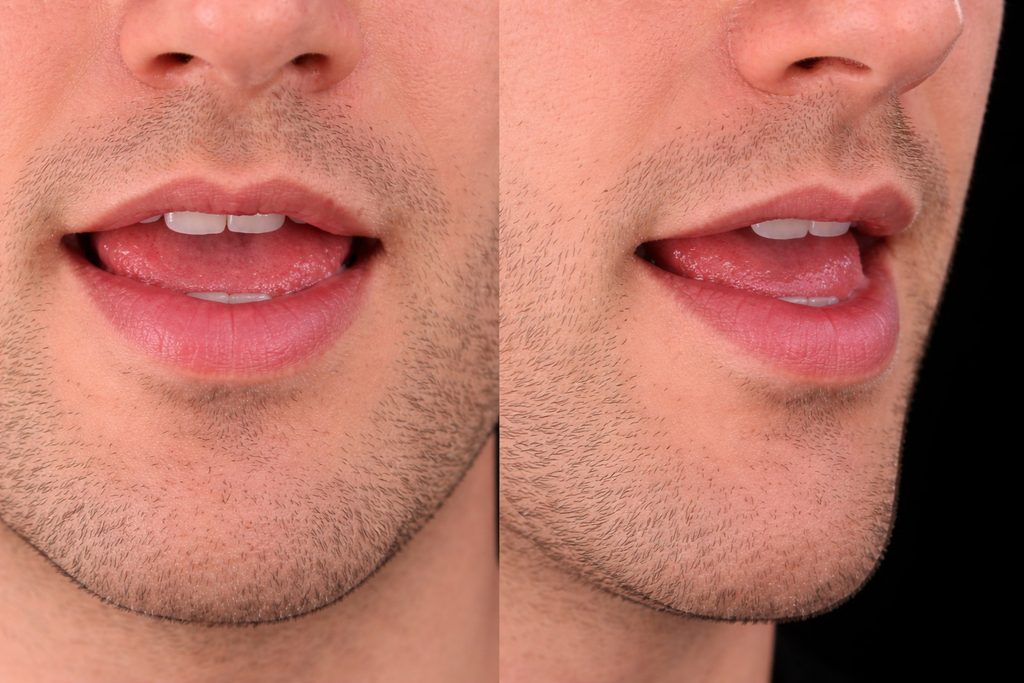
Mouth position for SIT Vowel
l/l/
Dark

Keep the tongue tip down and pull the back of the tongue up toward the throat. The 'dark' sound comes from the back.
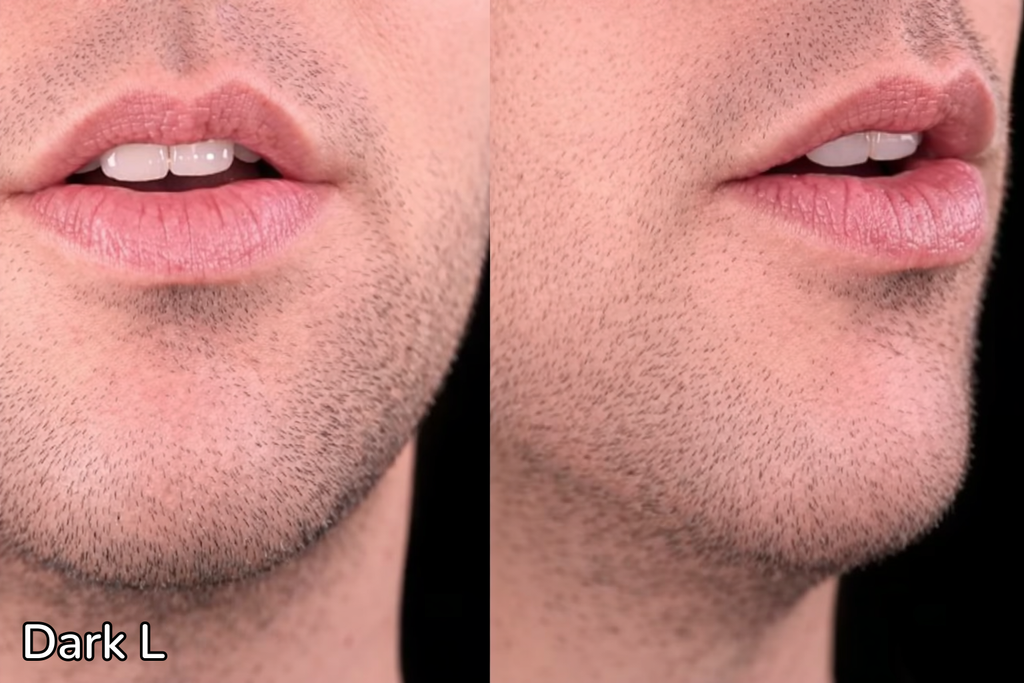
Mouth position for /l/ as in LET
t/t/

Touch the tip or front edge of your tongue to the roof of your mouth just behind your teeth. Keep your jaw relaxed. Stop the air, then release with a puff.
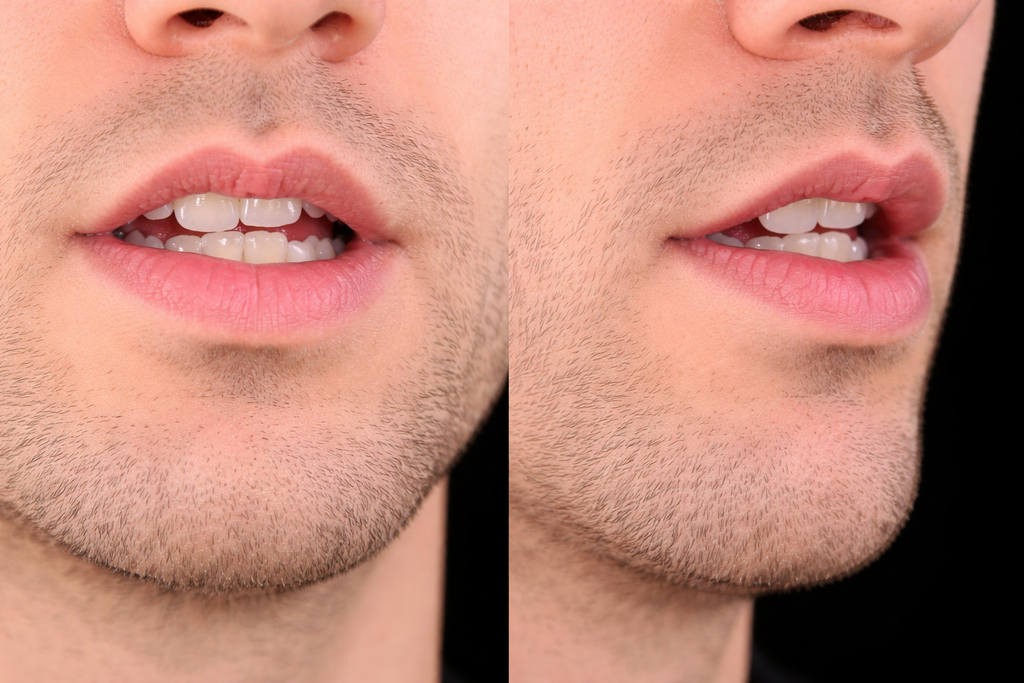
Mouth position for /t/ as in TEN
er/ər/

Relax your mouth and lift the tongue back and up. Keep the lips neutral.
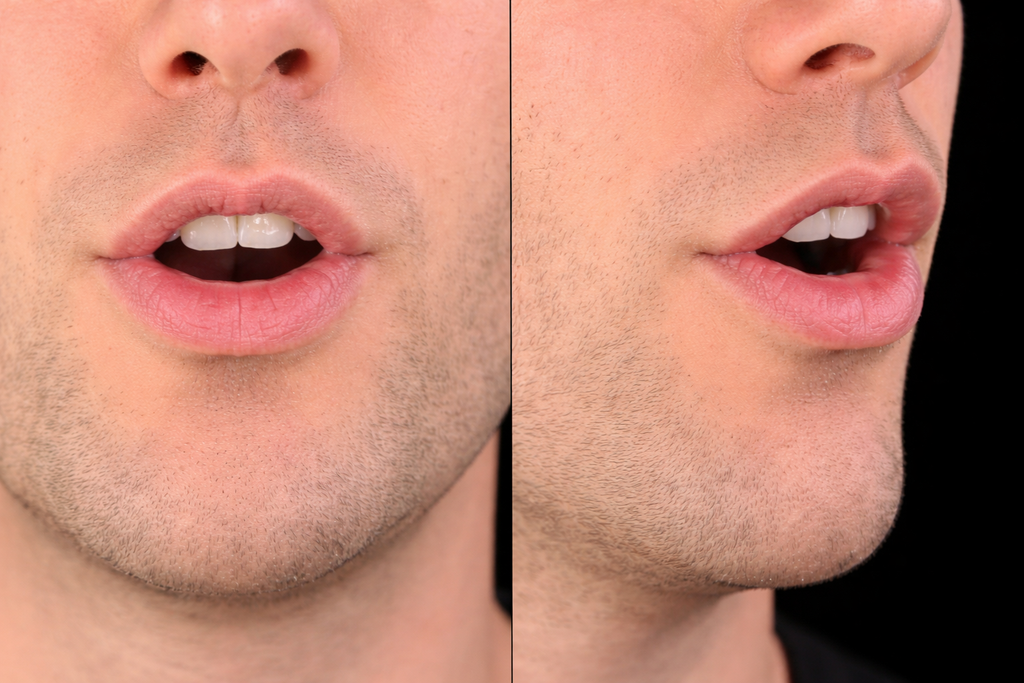
Mouth position for MOTHER R-Vowel
z/z/

Same position as S, but add vocal cord vibration. Feel the buzz.
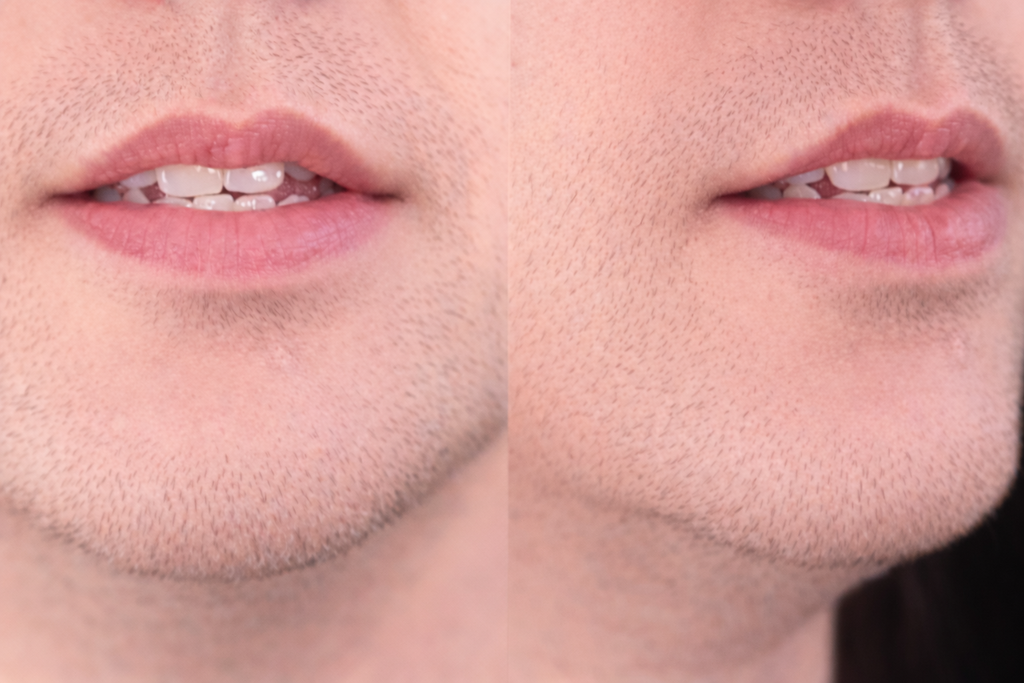
Mouth position for /z/ as in ZOO
In real conversation

Hear "filters" in the wild.

Click any sentence to see the full breakdown — every link, every reduction, every flap-T.

"The clam filters food from the water as it passes by."
dhuh KLAM FIHL·terz FOOD fruhm dhuh WAH·der uhz iht PA·suhz bahy
Find another

Looking for a different word or sentence?

Search the entire library
/
Press / anywhere to focus the search box.
Watch out

Common pronunciation mistakes in American English.

The textbook way isn't wrong — it's just not how anyone actually says it.

01

Treating every L the same.

The L in "filters" is a dark L — the back of the tongue rises toward the soft palate, adding a small "uh" quality before the L. Dark L adds a small schwa-like "uh" before the L. The back of the tongue lifts toward the soft palate.

filtersFIHL·terz
02

Stressing the wrong syllable.

Stress falls on the first syllable, not the others. Stretch FIHL — keep everything else short and quick.

fihl·TERZFIHL·terz
03

Pronouncing the "R" too clearly.

Americans use a relaxed retroflex R — the tongue curls back rather than rolling. The R is one continuous sound with the vowel before it, not two separate sounds.

… (no R)r (curl the tongue)
Questions

Questions people ask about this.

How is "filters" stressed in American English?
Stress falls on the first syllable — say "FIHL" with a longer, fuller vowel and keep every other syllable short and quick. The respell "FIHL-terz" marks the stressed syllable in capitals so the rhythm is easy to read at a glance.
How do I pronounce the R in "filters"?
Americans use a relaxed retroflex R: the tongue curls back rather than rolling, and the R is one continuous sound with the vowel before it — not two separate sounds. Don't try to pronounce a separate vowel followed by a separate R. Treat them as a single shape.
Is the American pronunciation of "filters" different from British English?
American English uses different vowel shapes, a relaxed retroflex R, and connected-speech tricks like flap-T and glottal-stop T that British Received Pronunciation generally avoids. The respell "FIHL-terz" reflects the casual American form; British dictionaries typically print a citation form with crisper consonants and different vowel choices.

Stop reading about "filters". Start saying it.

SayWaader is the AI pronunciation coach for American English. Practice 5 minutes a day. Get a 5-axes accent assessment. Sound like you live here.