d/d/
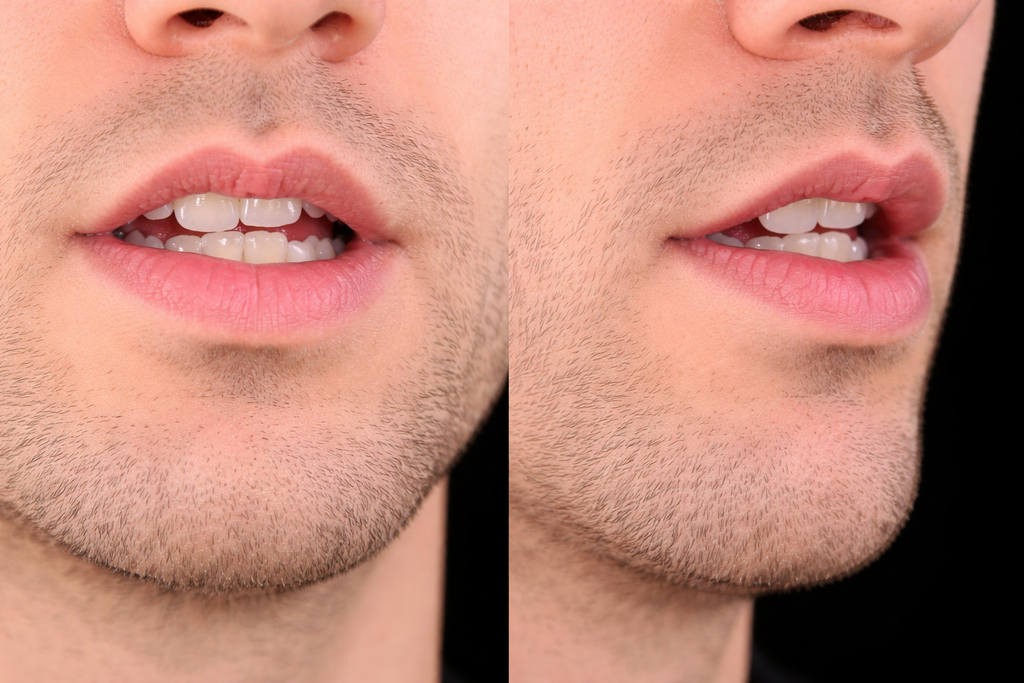
Touch the tip of your tongue to the roof of your mouth just behind your teeth. Add vocal cord vibration as you release.
Americans pronounce demonstrated as DEH-muhn-stray-tuhd (/ˈdɛmənˌstreɪɾəd/). In "demonstrated", the "t" between vowels sounds like a quick "d" — the tongue briefly taps the ridge behind the upper teeth. This is called the Flap T, a small move that separates 'classroom' from 'native'. So instead of tEH·muhn·stray·tuht, you get DEH·muhn·STRAY·tuhd. Stress falls on the first syllable — keep everything else short and quick. You'll hear it in sentences like "The experiment demonstrated the principles of thermodynamics" or "The team has demonstrated excellent cooperation throughout the project" — more examples below.
Record yourself saying "demonstrated" and play it back. The mic stays on your device — nothing's uploaded.
4 syllables, 12 sounds. Tap a syllable to jump to its row, then explore each sound's mouth shape and how it's made.
Touch the tip of your tongue to the roof of your mouth just behind your teeth. Add vocal cord vibration as you release.
Drop your jaw moderately. Touch the tongue tip behind the bottom front teeth and lift the mid-front part slightly toward the roof.
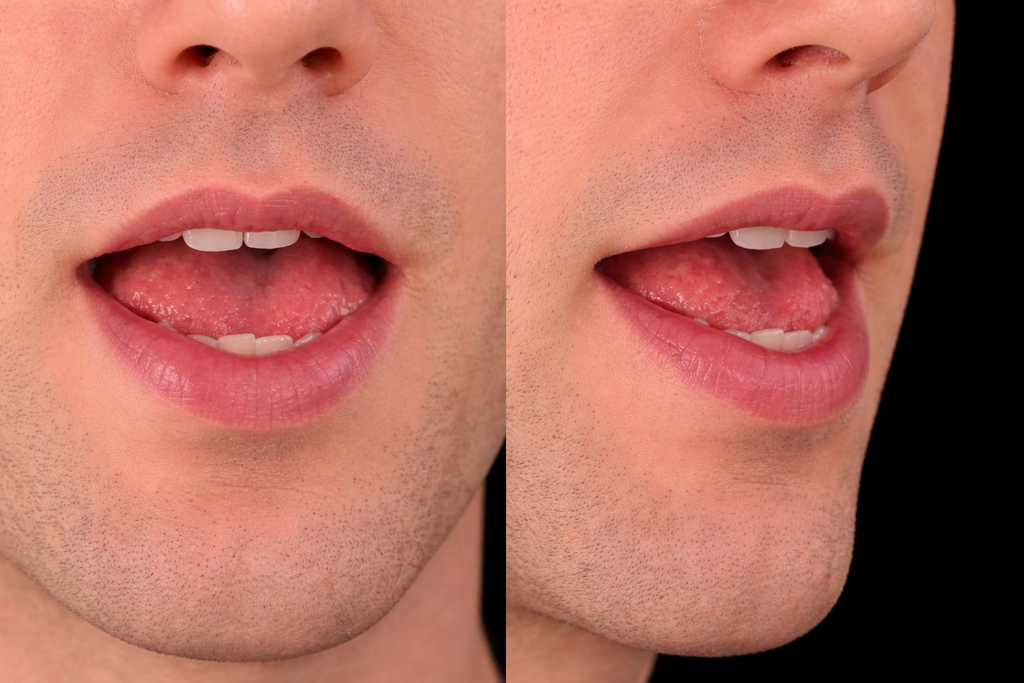
Press your lips together. Air flows through your nose. Vocal cords vibrate.
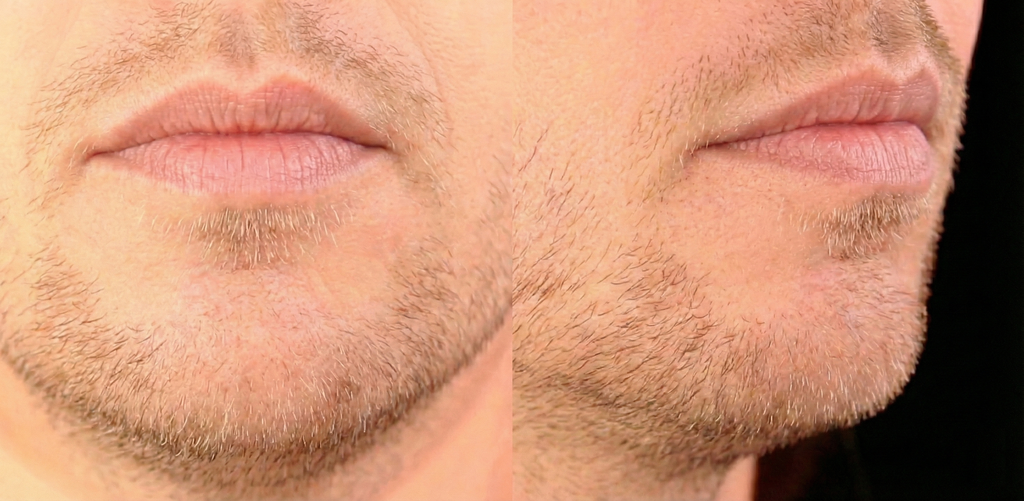
Relax your lips, jaw, and tongue completely. Drop your jaw slightly and keep the tongue neutral.
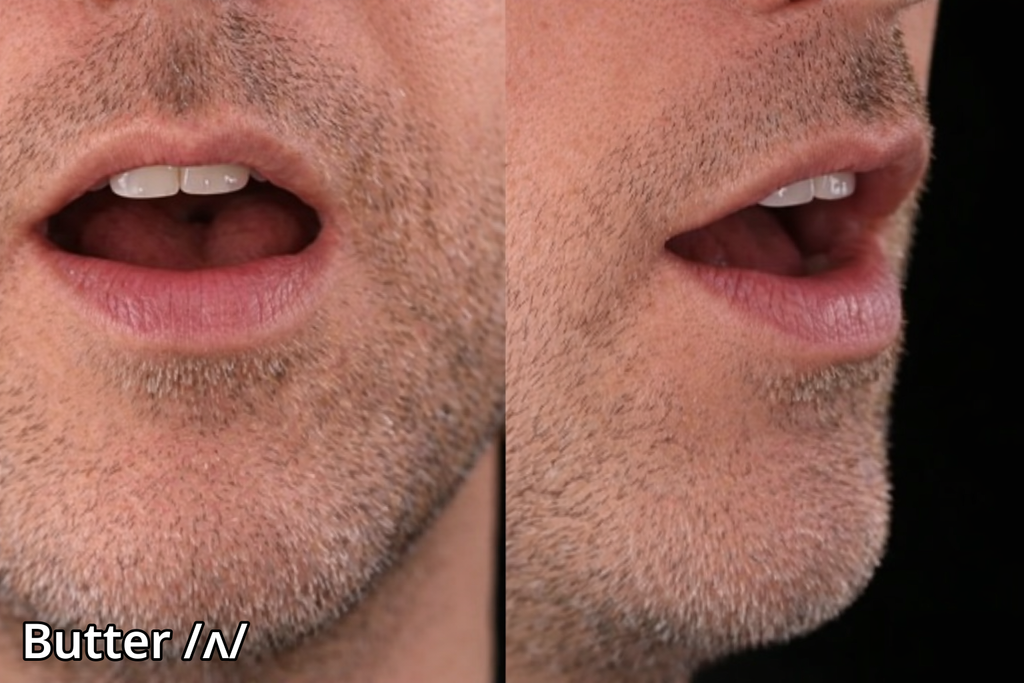
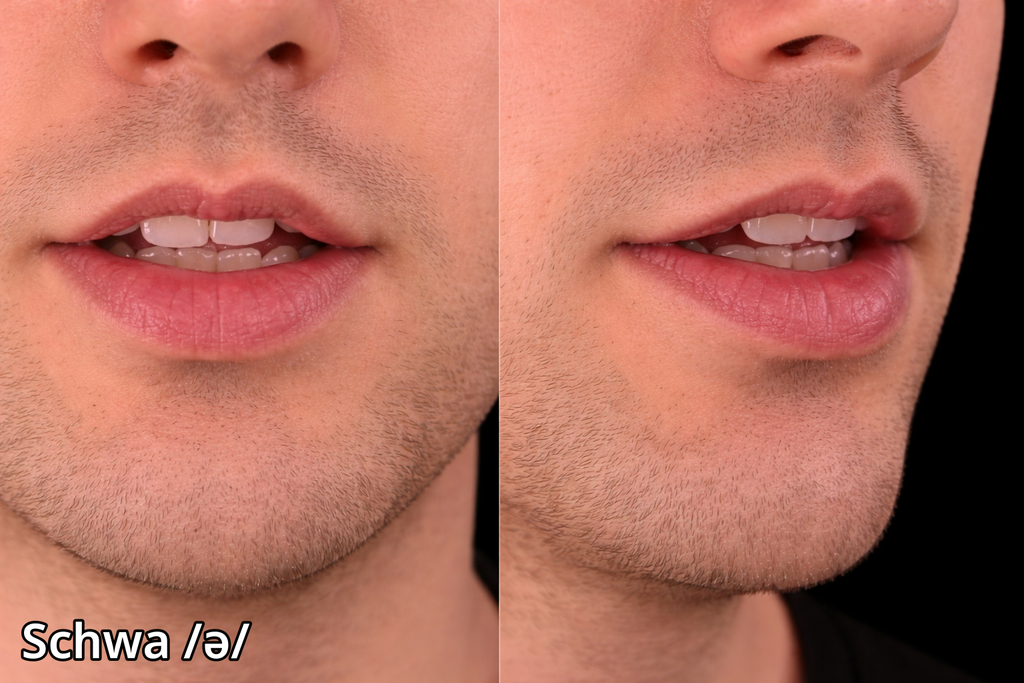
The schwa before N disappears — N becomes the vowel of the syllable. Go straight from the previous consonant to N.
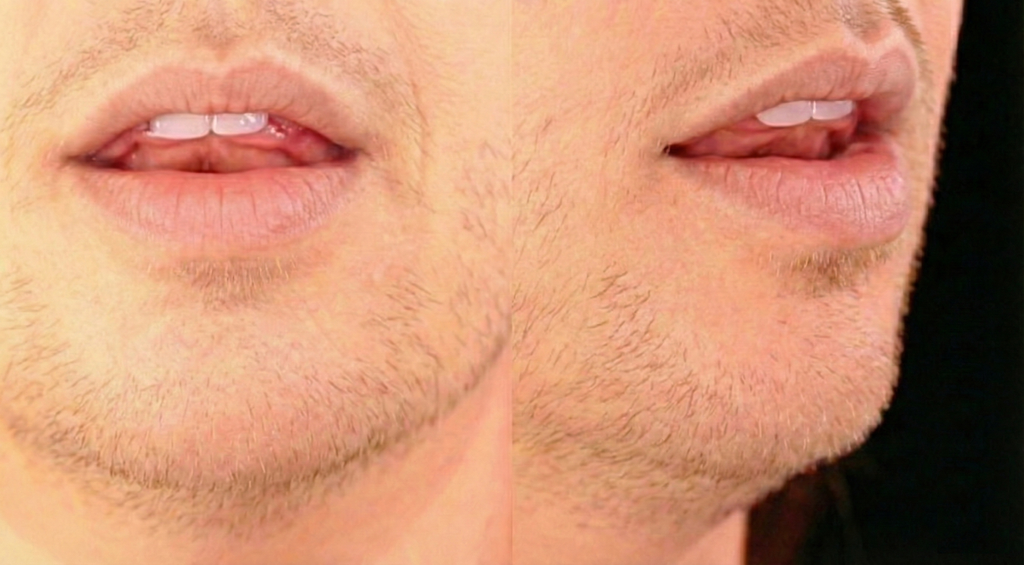
Place your tongue tip near the roof of your mouth behind your top teeth. Push air through the narrow gap. No voicing.
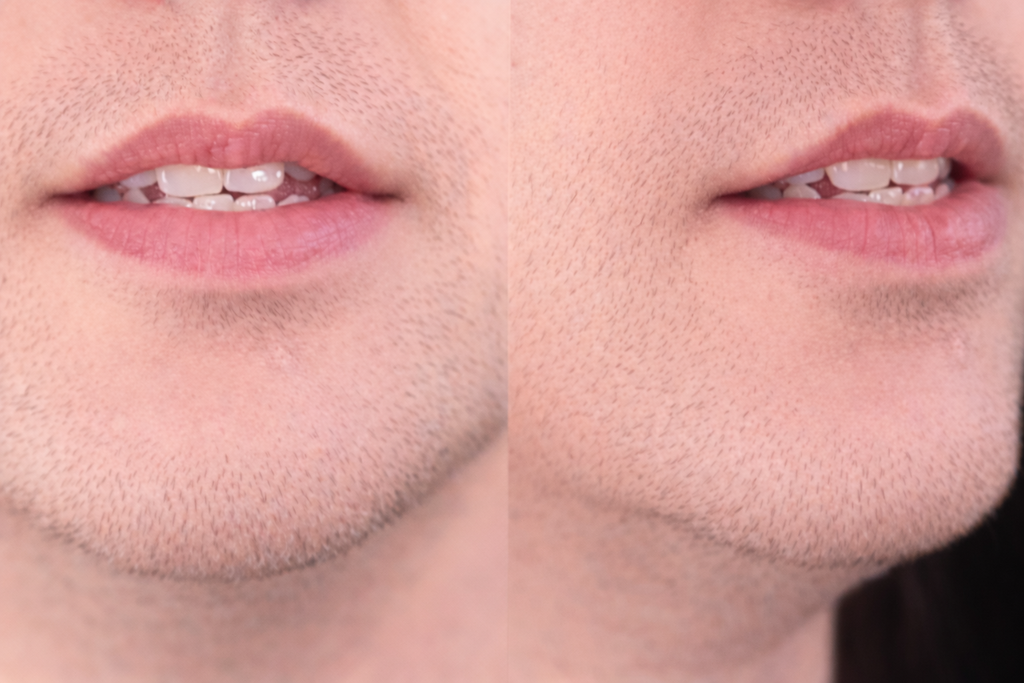
Touch the tip or front edge of your tongue to the roof of your mouth just behind your teeth. Keep your jaw relaxed. Stop the air, then release with a puff.
Curl or bunch your tongue without letting the tip touch the roof of your mouth. Brace the sides of your tongue against your upper back teeth, and round your lips slightly.
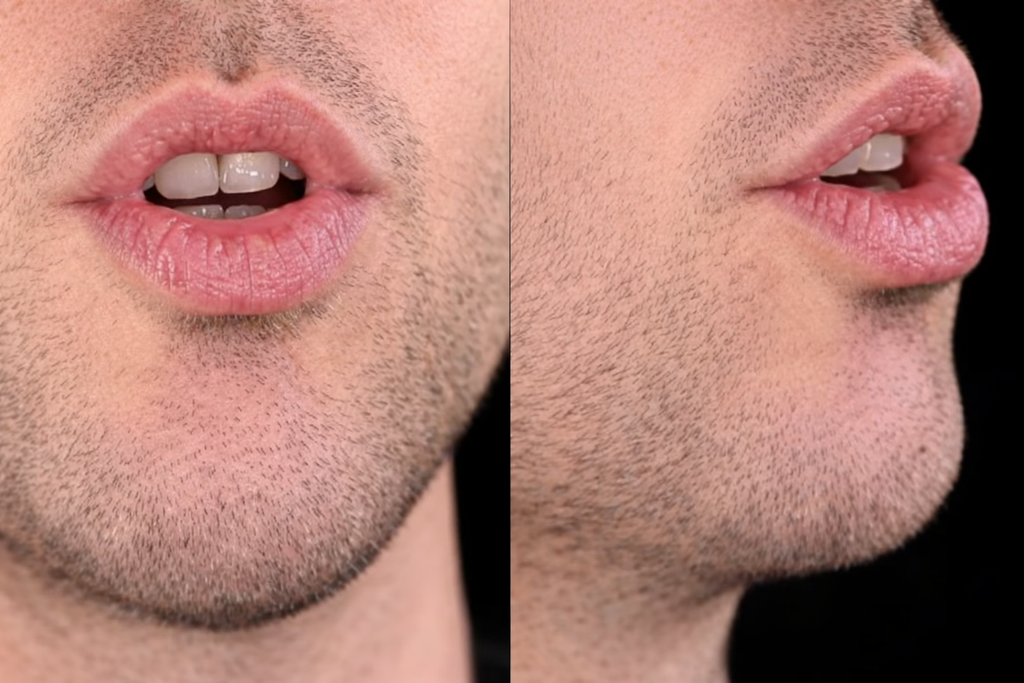
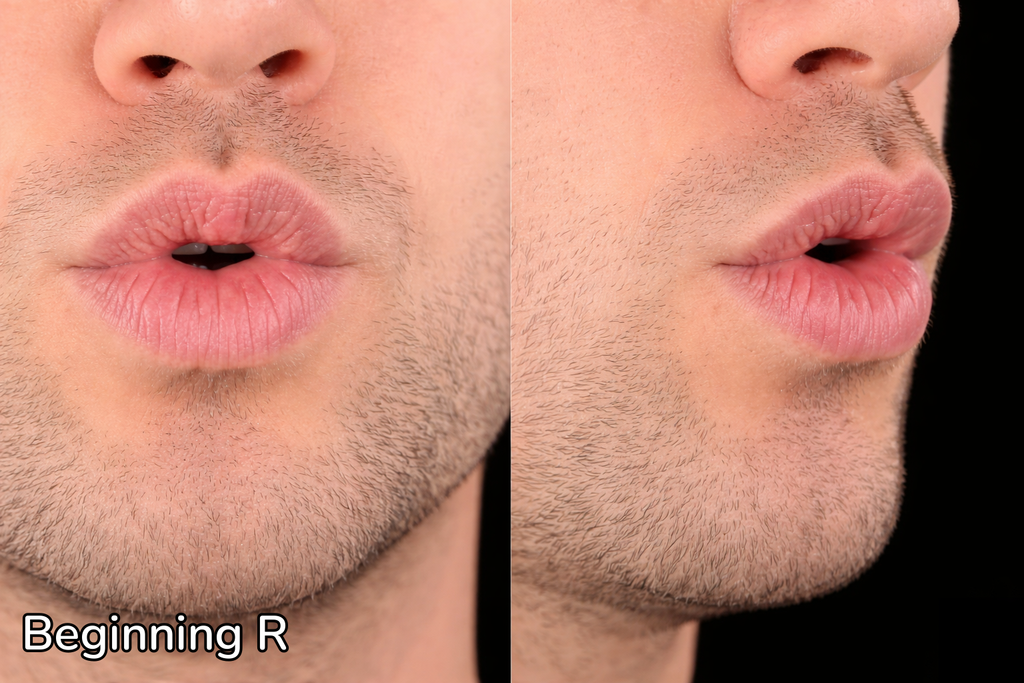
Start with your jaw slightly open and the front of your tongue forward and slightly up. Glide upward, your jaw closes a little more and your tongue arches higher toward the roof of the mouth.
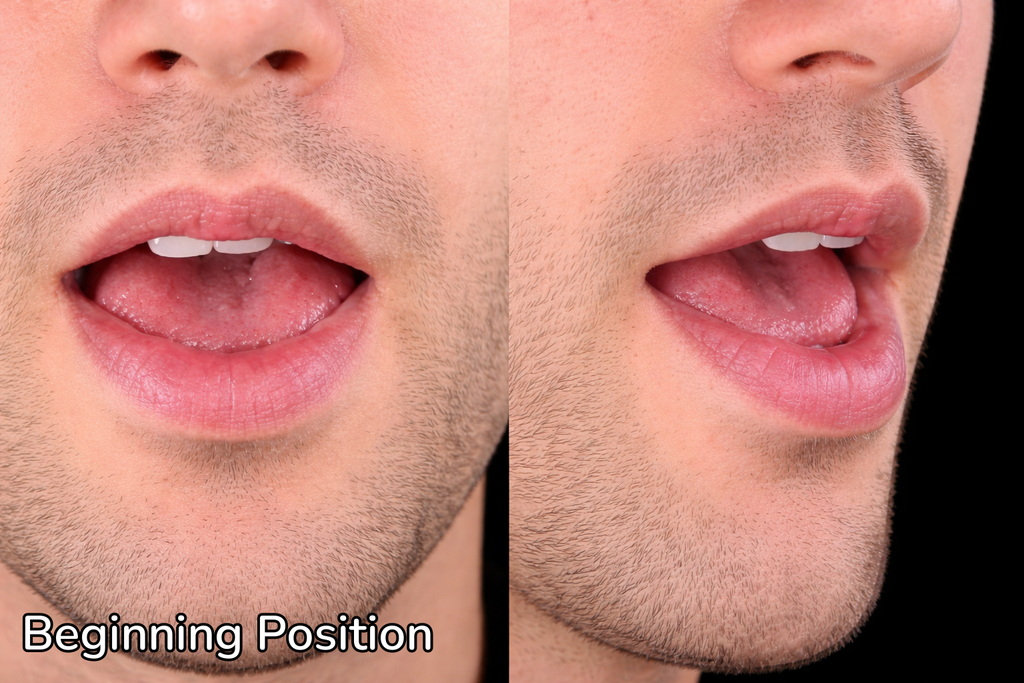
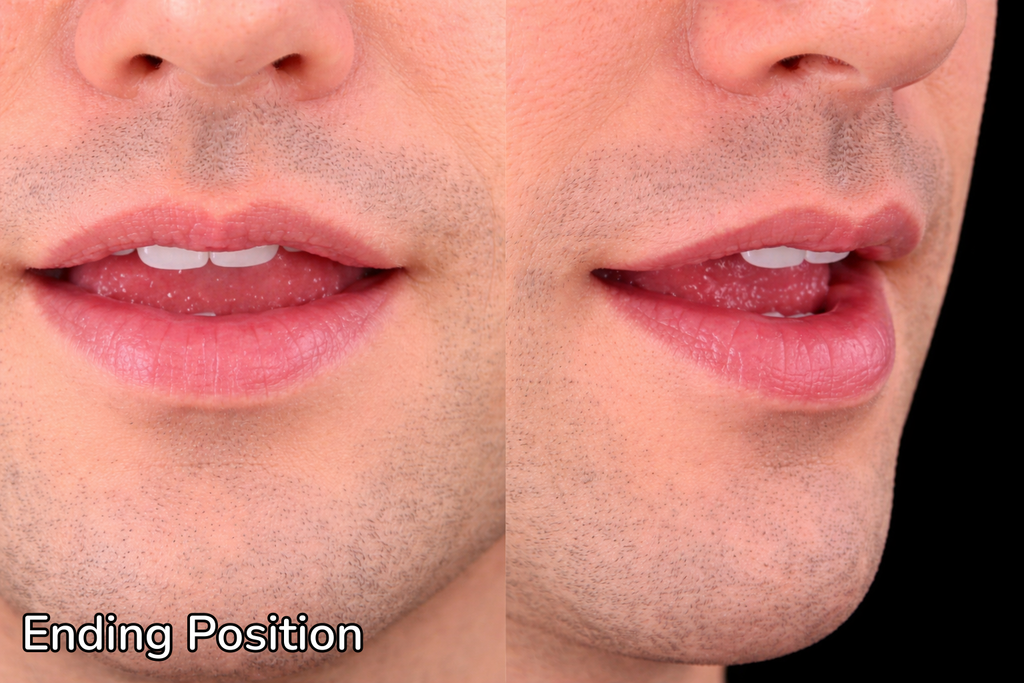
Quickly bounce the front of your tongue against the roof of your mouth. Don't stop the airflow — just a quick tap.
Relax your lips, jaw, and tongue completely. Drop your jaw slightly and keep the tongue neutral.
Touch the tip of your tongue to the roof of your mouth just behind your teeth. Add vocal cord vibration as you release.
Click any sentence to see the full breakdown — every link, every reduction, every flap-T.
The textbook way isn't wrong — it's just not how anyone actually says it.
In "demonstrated", the "t" between vowels sounds like a quick "d" — the tongue briefly taps the ridge behind the upper teeth. /t/ or /d/ becomes a quick tap [ɾ] — sounds like a soft D. The tongue briefly taps the ridge behind the upper teeth.
In "demonstrated", the "d" is not released — the articulators get into position but hold without the burst of air. Air stops but there's no release burst — the articulators hold position.
In "demonstrated", the short unstressed vowel before "n" disappears — the schwa is absorbed and the "n" becomes the syllable nucleus on its own. Schwa is absorbed — consonant becomes the syllable nucleus.
Stress falls on the first syllable, not the others. Stretch DEH — keep everything else short and quick.

SayWaader is the AI pronunciation coach for American English. Practice 5 minutes a day. Get a 5-axes accent assessment. Sound like you live here.