s/s/
Place your tongue tip near the roof of your mouth behind your top teeth. Push air through the narrow gap. No voicing.
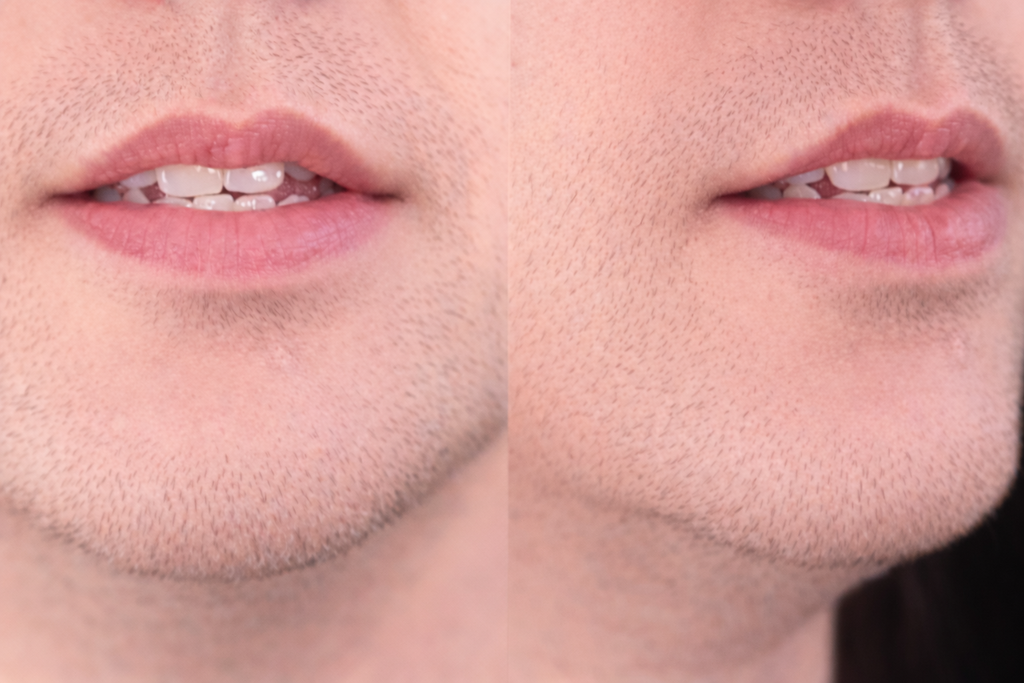
Americans pronounce standards as STAN-derdz (/ˈstændərdz/). In "standards", the "a" vowel before M or N raises and fronts toward [eə] — the tongue pulls up and forward, breaking the vowel into a tense glide as it anticipates the nasal. This is called the Cat-Vowel Before M/N, a small move that separates 'classroom' from 'native'. It comes out as STAN·derdz. Stress falls on the first syllable — keep everything else short and quick. You'll hear it in sentences like "The bibliography was formatted according to academic standards" or "All contractors must comply with our safety standards while on site" — more examples below.
Record yourself saying "standards" and play it back. The mic stays on your device — nothing's uploaded.
2 syllables, 8 sounds. Tap a syllable to jump to its row, then explore each sound's mouth shape and how it's made.
Place your tongue tip near the roof of your mouth behind your top teeth. Push air through the narrow gap. No voicing.
Touch the tip or front edge of your tongue to the roof of your mouth just behind your teeth. Keep your jaw relaxed. Stop the air, then release with a puff.
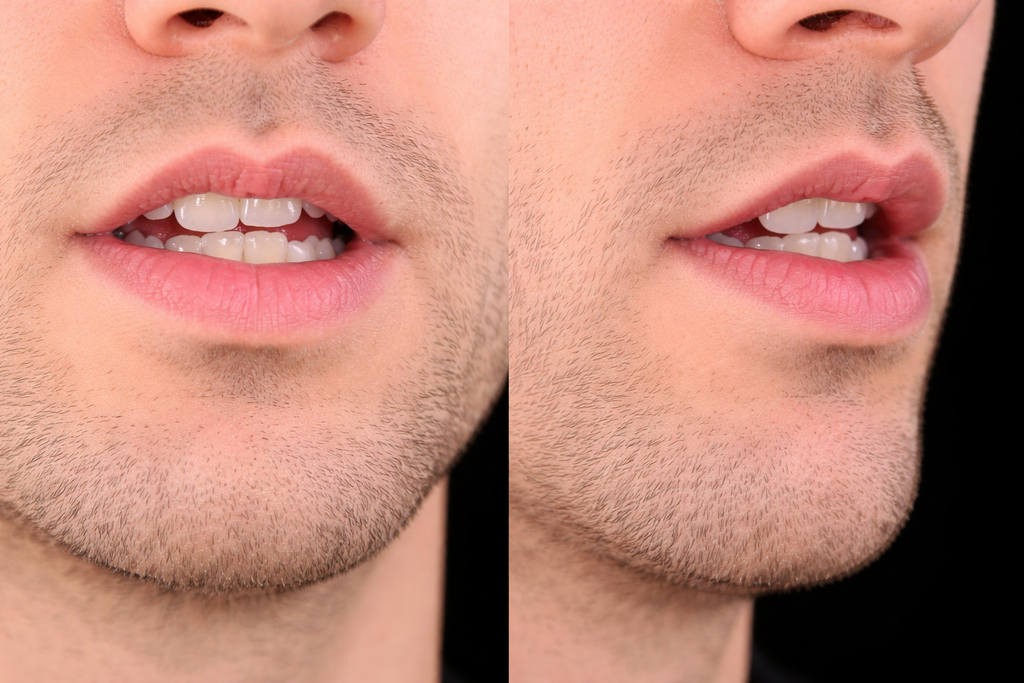
The tongue relaxes down in the back and the corners of the lips relax before the consonant. This adds a schwa-like 'uh' relaxation after the /æ/. Think of it as 'relaxing out of the vowel' — it is no longer a pure /æ/ sound.
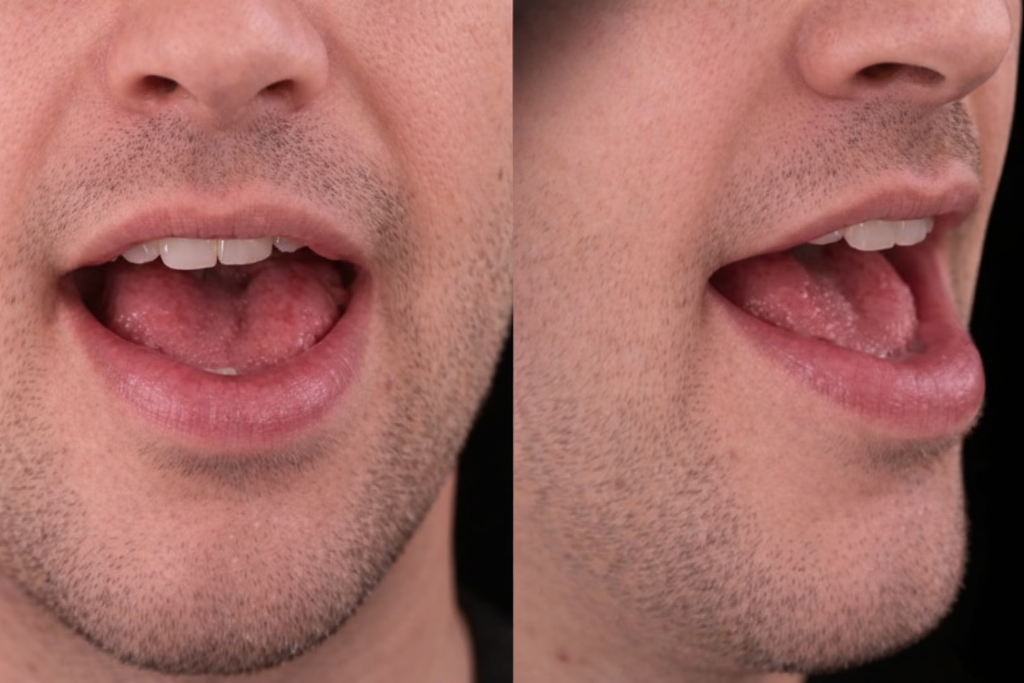
Touch the tip or front edge of your tongue to the roof of your mouth behind your teeth. Air flows through your nose.
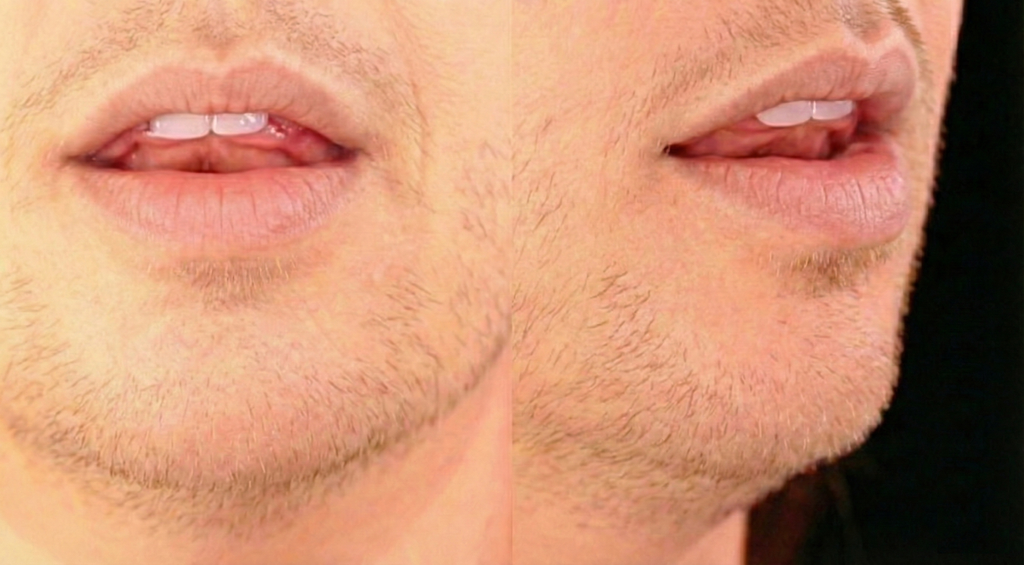
Touch the tip of your tongue to the roof of your mouth just behind your teeth. Add vocal cord vibration as you release.
Relax your mouth and lift the tongue back and up. Keep the lips neutral.
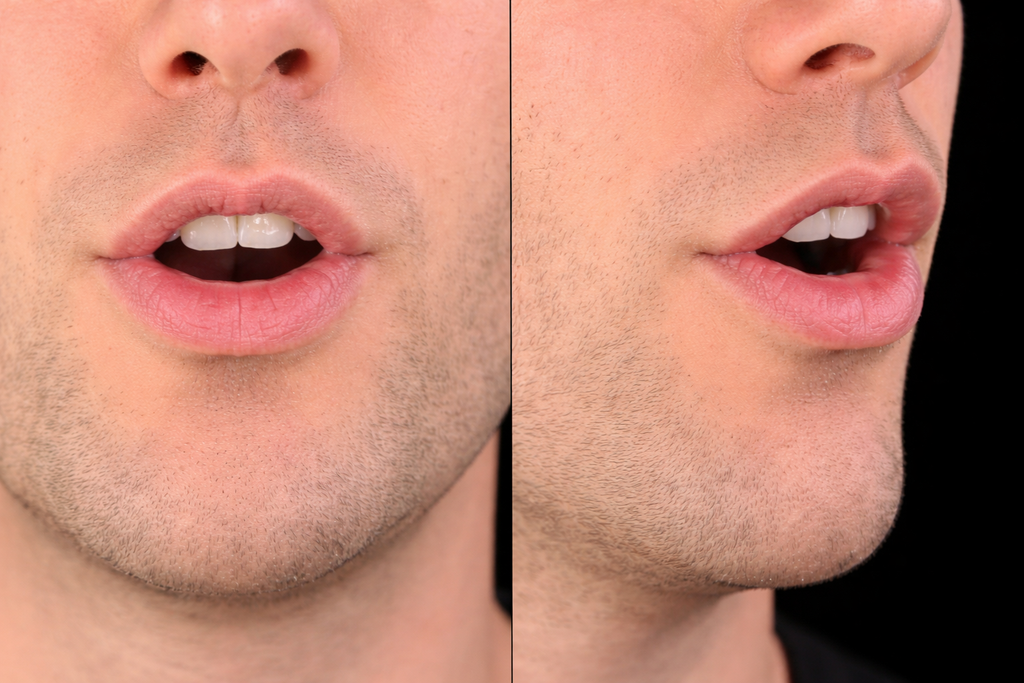
Touch the tip of your tongue to the roof of your mouth just behind your teeth. Add vocal cord vibration as you release.
Same position as S, but add vocal cord vibration. Feel the buzz.
Click any sentence to see the full breakdown — every link, every reduction, every flap-T.
The textbook way isn't wrong — it's just not how anyone actually says it.
In "standards", the "a" vowel before M or N raises and fronts toward [eə] — the tongue pulls up and forward, breaking the vowel into a tense glide as it anticipates the nasal. The "/æ/" vowel raises and fronts before M or N — tongue pulls up and forward, producing a tense [eə] glide (between /e/ and /ə/). Not a pure /æ/.
Stress falls on the first syllable, not the others. Stretch STAN — keep everything else short and quick.
Americans use a relaxed retroflex R — the tongue curls back rather than rolling. The R is one continuous sound with the vowel before it, not two separate sounds.

SayWaader is the AI pronunciation coach for American English. Practice 5 minutes a day. Get a 5-axes accent assessment. Sound like you live here.